
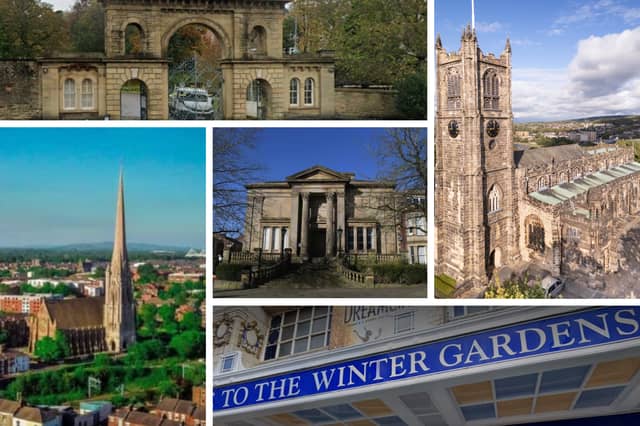

Yesterday Historic England revealed their updated 2024 At Risk Register, which identifies structures most at risk of being lost as a result of neglect, decay or inappropriate development.
Every year, buildings are taken off the list because of restoration work, while others are added because of deterioration.
In Lancashire, the only change for 2024 was the addition of the Church of St Peter and St Paul in Church Street, Ormskirk.
This Grade II* building is said to have “a very complicated history of rebuilding and enlargement” but has roots in the 12th century. Historic England state: “Distinctive for having both a west tower and a separate spire over the entrance porch. West tower stonework appears very poor, with considerable wear and erosion. Exacerbated to the southwest by an outflow pipe channelling water onto the stonework below. Some repairs evident in the stonework on the north elevation of the tower, but poor stonework is widespread.”
Click on the pictures below to see other key buildings across Lancashire also on the At Risk Register 2024.
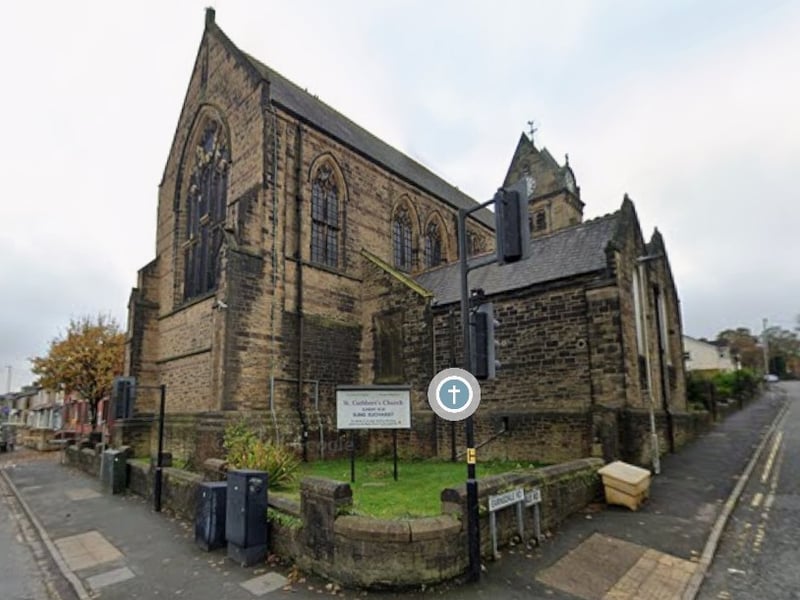
21. St Cuthbert's Church, Darwen
St Cuthbert's Church in Earnsdale Road was built between 1875–1878 by Paley and Austin. It has been designated a Grade II listed building by English Heritage who say its condition is "poor" with "slow decay". | google
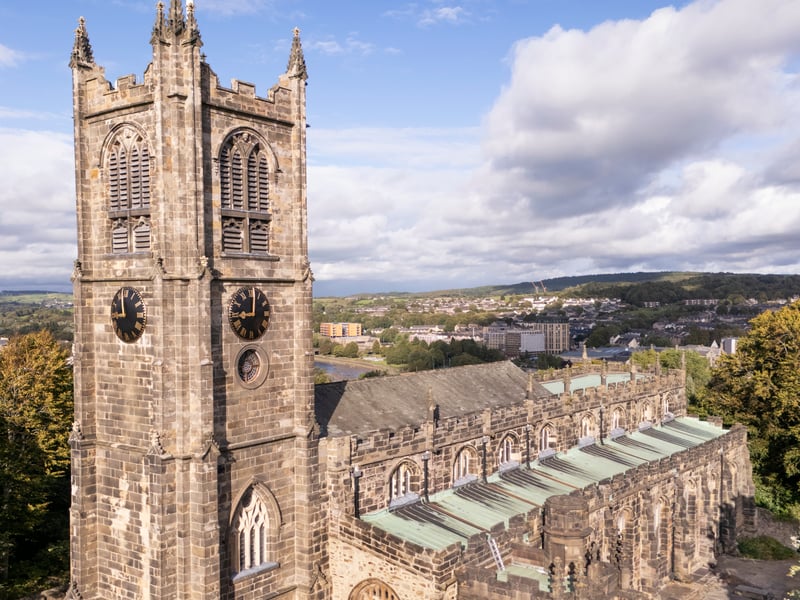
22. Lancaster Priory
The Grade I listed Priory and Parish Church of St Mary in Lancaster has been added to the Heritage at Risk Register in 2025 due to subsidence affecting the alignment of its south aisle. This significant Anglican parish church, largely dating from around 1430, stands on an earlier site and represents exceptional medieval craftsmanship. The building features a distinctive west tower built in 1754-5, and a south porch and north chapel from 1903. The church showcases remarkable architectural details, including richly carved choir stalls with what renowned architectural historian Nikolaus Pevsner described as "about the most luxuriant canopies in the country". Ten surviving misericords - hinged wooden shelves or ledges in church choir stalls - include depictions of lions and monsters. English Heritage say: "The subsidence threatening the south aisle puts this architecturally and historically significant building at risk, requiring urgent intervention to preserve its medieval structure and exceptional decorative features." | Historic England
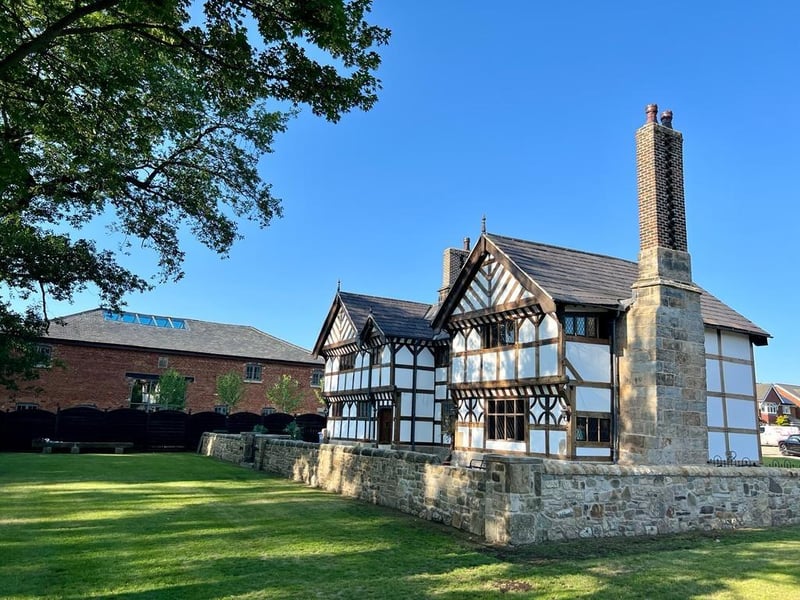
23. Buckshaw Hall
Buckshaw Hall is a Grade II private residence dating back to the mid 17th century. Timber-framed, it underwent restoration in 1885, but was later left unoccupied after the Second World War. It is said to be "Under repair or in fair to good repair, but no user identified; or under threat of vacancy with no obvious new user". | Chris Langson Photo: Chris Langson