
Major new addition planned for Samlesbury Hall to mark 700th anniversary - this is what we know
Bosses at one of Lancashire’s most historic houses have applied to create a new events space.
Samlesbury Hall Trust is seeking consent from South Ribble Borough Council to erect an events marquee and a kitchen marquee on an existing piece of grass land adjacent to the hall’s car park.
The marquees would provide spaces for events which are to be held throughout 2025 as part of `Samlesbury 700', celebrating 700 years since the initial building of the hall. Such events will consist of dinners, business events, exhibitions, dog shows, food and drink festival, talks and performances.

A planning statement says: “The proposed kitchen marquee is not to be used for any cooking or food preparation activities as these are to take place within the existing facilities within the hall itself. The kitchen marquee is to be for the purposes of storing any food for dinners and other events within steam warming ovens in preparation for serving to guests.”
If permission is granted, it is proposed that the marquee will be erected in late February early March 2025 and would be in use between 9am and 6pm. The application is for a temporary period of 12 months, the planning statment adding: “This condition can then be reviewed and a variation applied for prior to the expiration of the initial 12 month period.”
No changes to the landscape, trees, or access are required.
History of Samlesbury Hall
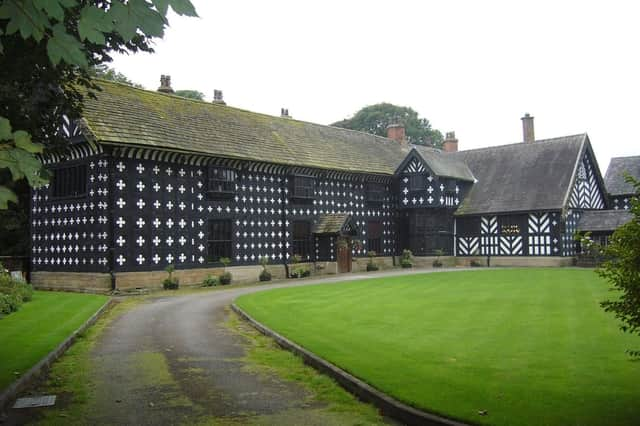
Samlesbury Hall is a Grade I listed building. The existing house, though much modernised, is largely expected to date from the 15th and 16th centuries, built using timber framing, possibly built to replace an earlier structure which was destroyed in the early 14th century.
The hall was originally moated and significantly larger that the present day building, with only the south range now remaining, with the great hall adjoining on its north side. The east end of the range is mid-I9th century in date and was built in a matching style.
The house was the seat of the Southworth family who occupied the hall until the second half of the 17th century. The hall passed into the ownership of Thomas Bradyll who was responsible for the stripping of much of the building's features for use at his main residence. The hall was also rented out to handloom weavers before becoming an inn in 1830 and then a boarding school in 1850. The hall was set to be demolished in 1924 before being bought and saved in 1925.