
I’m 74 and still cycling - but a heart scare on the track changed everything

A Lancashire grandad says he may owe his life to a new heart study that has raised important questions about the long-term effects of intense endurance sports in older male athletes.
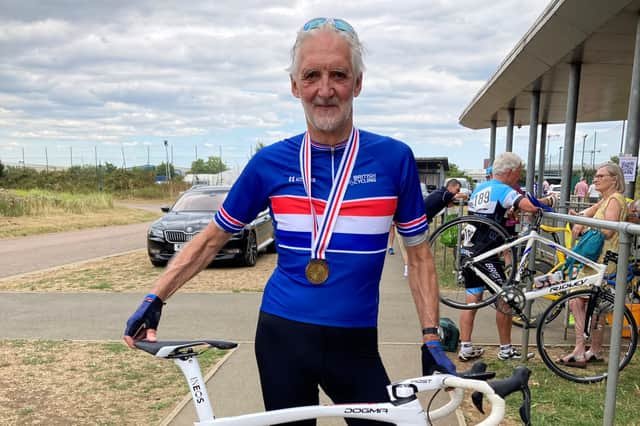
Brian Cookson, 74, from Whalley, is a lifelong cyclist and former president of British Cycling and the Union Cycliste Internationale — cycling’s world governing body.
He was one of 106 experienced athletes who took part in a study examining whether years of high-intensity exercise could lead to heart scarring and rhythm abnormalities - both linked to an increased risk of sudden cardiac death.

The University of Leeds-led study, funded by the British Heart Foundation and published this week in Circulation: Cardiovascular Imaging, found that nearly half (47%) of the endurance athletes examined had scarring on their hearts - particularly in the left ventricle, the heart’s main pumping chamber.
This compared with just 11% in a group of non-endurance athletes.
Over a two-year follow-up, 22% of those with scarring experienced abnormal heart rhythms.
Researchers concluded that athletes with scarring were 4.5 times more likely to have potentially dangerous arrhythmias.
Mr Cookson was among those fitted with an implantable device to monitor his heart rhythm.
He credits it with alerting doctors to a life-threatening episode during training at the Manchester Velodrome.
“I was pushing it a little on the track, but not absolutely full gas, as we say in cycling,” he said.
His heart rate suddenly spiked to 238 beats per minute and stayed there for 15 minutes.
He contacted the research team who reviewed data from his implanted device to record his heart rhythm.
They confirmed he had suffered an episode of ventricular tachycardia - an abnormally fast heartbeat where the heart’s ventricles contract too quickly and don’t pump blood effectively.
“The next day, I got a call. They said, ‘Stop riding your bike, don’t do anything more strenuous than walking until we can get you in here because we think you need an implantable cardioverter defibrillator (ICD),’” he said.
He was fitted with the device in August last year. It shocks the heart if it goes into an abnormal rhythm.
Mr Cookson, who still cycles, said: “I keep a closer eye on my heart rate now, and if I’m getting to 150 bpm I’ll start backing off.
“I’m so grateful to have been part of this study. It might well have saved my life.
“Without it, I might have carried on pushing myself until something more serious happened.”
Dr Peter Swoboda, who led the research at the University of Leeds, said the findings highlight the importance of monitoring veteran athletes for potential heart risks - particularly those experiencing symptoms like dizziness, chest pain, or blackouts.
He added: “These results shouldn’t put people off regular exercise. Our study focused on a very select group, and not all the athletes were found to have scarring in their hearts.
“We can all benefit from being more active, and this study is an important step towards helping people take part in sport as safely as possible.”