
'Future deaths could occur' - Coroner demands answers from Blackburn hospital over death of 62-year-old
A coroner has warned that future deaths will occur, if lessons aren’t learned from that of a Lancashire woman whose ruptured spleen was diagnosed late.
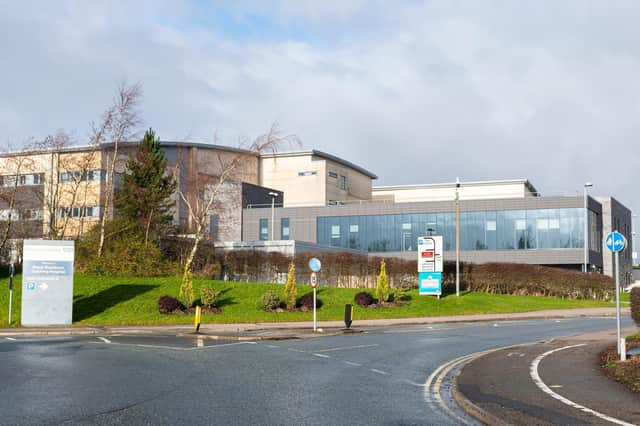
Bosses at East Lancashire NHS Trust have been asked to explain issues uncovered while investigating the death of 62-year-old Adrienne Caroline Studholme at the Royal Blackburn Hospital on September 23, 2023.
Following an inquest last week, Coroner Christopher Long has compiled a Prevention of Future Deaths report, and the trust has until December 8 to respond with details of action taken or proposed to be taken, setting out the timetable for action.
What happened?
Ms Studholme, from Accrington, underwent an elective left nephrectomy (kidney removal) on September 10, 2023, which was complicated by abdominal wall haematoma (a potentially life-threatening accumulation of blood within the muscle layers of the abdominal wall), requiring a further operation the next day, before being discharged.
She was readmitted on September 20 at around 3.05pm with upper abdomen pain and seizures. Diagnostic checks completed later that afternoon identified a repture and bleeding in the spleen (a known complication of nephrectomy), which were operated upon at 6.30pm, after which she had heart attack.
Despite treatment over the next three days, Ms Studholme did not recover. Her death was contributed to by a delay in diagnosing and treating the splenic rupture.

Three concerns
Coroner Christopher Long raised three concerns related to Ms Studholme’s care. He says there is a risk that future deaths could occur unless action is taken. The issues are:
- The fluid balance chart was found to be inaccurate. The evidence suggested that the accuracy of the chart relied on staff collecting and refilling empty water jugs and took no account of steps families may take to provide fluid.
- Evidence was heard that seizure activity would not be taken into account in assessing a patient in the Emergency Department unless it was witnessed by a member of staff
- Evidence was heard that on readmission via the Emergency Department following recent surgery, there is no procedure requiring contact with the original treating department. In addition, there is no standard operating practice and no training ensuring that recent surgery is taken into account in a triage in the Emergency department.
East Lancashire NHS Trust
Julian Hobbs, Executive Medical Director at East Lancashire Hospitals NHS Trust, said: “Firstly I would like to extend my sincere and heartfelt condolences on behalf of everyone at the Trust to Adrienne’s family and friends. We have received a letter from the Coroner very recently following the inquest and are working through the information we have to provide a thorough and accurate response to the issues identified. We are committed to doing this as quickly as we are able to ensure any immediate improvements are implemented and to support the family in their grief. It is a sad fact that we cannot change what has happened, but we can ensure we recognise where our response and care could have been better for other families the future.”