
Bird flu outbreaks confirmed at two places in Lancashire

A highly pathogenic Avian Influenza outbreak has been declared at two places in Lancashire.
Also known as bird flu, the latest outbreak was confirmed yesterday in a small non-commercial poultry premises near Kirkham, Fylde.
A 3km protection zone and 10km surveillance zone has been declared around the premises. All poultry on the premises will be humanely culled.
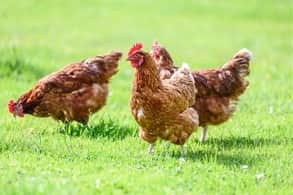

On Wednesday another case was confirmed in captive birds near Preesall, Wyre, Lancashire.
A 3km Captive Bird (Monitoring) Controlled Zone has been declared around the premises. Affected birds on the premises will be humanely culled.
The UK Chief Veterinary Officer has now ordered a mandatory housing order to cover the whole of England which came into effect yesterday following the escalating number of confirmations of avian influenza in kept and wild birds.
The new measures mean bird keepers across the whole of England must house all poultry and captive birds if they keep more than 50 (except in specific circumstances e.g. some zoo birds) or if they sell or give eggs away.
Avian Influenza Prevention Zone
A GB wide Avian Influenza Prevention Zone (AIPZ) is also in place and requires all keepers whether they have pet birds, commercial flocks or just a few birds in a backyard flock to undertake enhanced biosecurity measures to mitigate the risk of further outbreaks of the disease.
These enhanced biosecurity measures include reporting of changes in egg production, mandatory record keeping, disinfecting footwear, and cleansing & disinfecting housing and concrete walkways on a continuous basis.
This nationwide housing order extension follows last week’s introduction of housing measures for north, central and parts of east of England to mitigate the risk of further outbreaks of the disease.
UK Chief Veterinary Officer Christine Middlemiss said: “Given the continued increase in the number of avian influenza cases in kept birds and wild birds across England, we are now taking the difficult step to extend the housing measures to the whole of England.
“I appreciate the impact these measures have on industry and am extremely grateful for the continued cooperation of the poultry sector.
“We know from previous years that housing birds will bring the rates of infection down from the high we are currently experiencing.”
He added: “I urge bird keepers to comply with the new housing measures, continue to exercise robust biosecurity measures, remain alert for any signs of disease and report suspected disease immediately to the Animal and Plant Health Agency.”
What to do
All bird keepers in England whether they have pet birds, commercial flocks or just a few birds in a backyard flock must:
- Keep feed and bedding inside.
- Cleanse and disinfect clothing, footwear, equipment and vehicles before and after contact with poultry and captive birds– if practical, use disposable protective clothing.
- Reduce the movement of people, vehicles or equipment to and from areas where poultry and captive birds are kept, to minimise contamination from manure, slurry and other products.
- Carry out effective vermin control in any areas where poultry and captive birds are kept.
- Thoroughly cleanse and disinfect housing and concrete walkways on a continuous basis.
- Keep fresh disinfectant at the right concentration at all farm and poultry housing entry and exit points.
- Make your premises unattractive to wild birds (e.g. use bird scarers, foils or streamers).