
21-year-old died in his tent a day after arriving at Preston Scout camp - coroner raises concerns
A dedicated Scout volunteer with learning difficulties should have had better warnings over the dangers of carbon monoxide, a Coroner has said.
A coroner is seeking answers after the death of a 21-year-old at a Preston Scout camp.
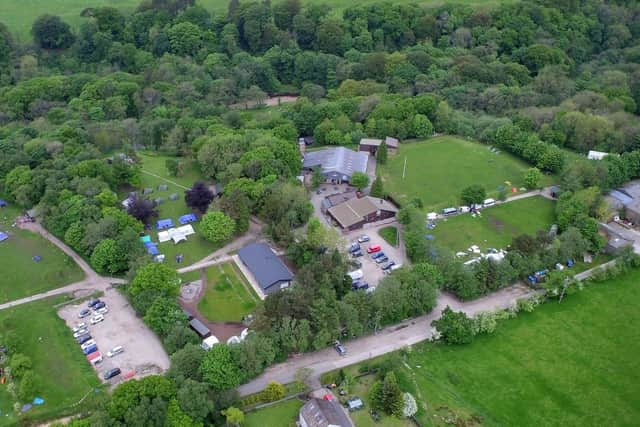
Jack William Saunders was found dead in his tent at Waddecar Scout Camp in Snape Rake Lane on April 3, 2017, but experts believe he died of carbon monoxide poisoning within 24-hours of arrival on March 29, 2017.
This week, following the completion of an inquest, a Prevention of Future Deaths Report prepared by Coroner James Newman has been made public, raising concerns that future tragedies may occur if lessons aren’t learned.
What happened?
An inquest held last month heard that Jack had been a Cub from the age of eight, joining the 8th Solihull Group, and progressed through cubs to scouts, achieving awards and merits, including the Chief Scout’s Coral Award.
He left around the age of 16 as there was no available Explorer Scout Troup, but later returned as an adult volunteer. The inquest heard that Jack - who had been to Waddecar Scout Camp near Beacon Fell as a Scout - wanted to replicate the experience, and booked to travel up from his home to the site on March 29, 2017. In preparing to camp, he had borrowed a gas cooker and a Landman outdoor heater from the 8th Solihull Scout Group, with the knowledge of at least one other scout leader, his training assessor.
Jack arrived at the camp site on March 29 and signed in, before erecting his camp and then leaving to go to a supermarket to buy provisions. He was not seen again until five days later on April 3 - the day after he was due to have left - when a site staff went to check on him and found him deceased in his tent.

Cause of death
A postmortem identified a carboxyhaemoglobin level of 54 per cent and the pathologist gave a cause of death as Carbon Monoxide poisoning.
There was evidence that Jack had been alive at 10.35pm on March 29, from the sending of a text message, and the pathologist suggested that it was possible that he had passed away within 24-hours of being found, given the lack of food consumed and no further telephone activity.
Investigations found the two gas burning pieces of equipment inside the tent, turned off, but still connected to the gas bottles. Extensive testing identified that whilst both pieces of equipment functioned appropriately, the Landman Outdoor heater generated high levels of carbon monoxide over a short period of time. The expert investigation concluded that this was the source of the carbon monoxide that led to Jack’s death.
The evidence, and findings of the jury, was that the training given to Jack - who had medical diagnoses of autism and dyslexia - was limited in respect of the risks of carbon monoxide, particularly given his learning style, and that it was likely that he had observed adult leaders using such heaters and gas hobs inside mess tents on previous camping expeditions.
The jury found that Jack had received no training or instruction regarding the dangers of carbon monoxide resulting from the use of fuel burning appliances in tents, as he learnt by example, and had observed such practices on previous camps.
Coroner’s concerns
Mr Newman raised a concern that the borrowed equipment had no instructions available as to their use, and although there were illustrations/instructions on the equipment itself warning against use in enclosed spaces, these were small and could have been clearer.
His report states that whilst knowledge around the risks of carbon monoxide poisoning was known and training had been prepared nationally, this had not reached the trainers within individual troops”, adding that Jack, “even if informed of the risks, had observed other adult leaders using gas fuelled equipment in tents, particularly mess tents, on previous camps, and due to his visual learning style, would have placed greater reliance on the same.”
He has asked the Scouting Association to take action to prevent future deaths. The Scouting Association has until May 27, 2026, to respond to the report.
What do the Scouting Association say?
A spokesman for the Scouting Association said: “The safety of the young people in our care and our adult volunteers is our first concern. We have recently received the Preventions of Future Death notice from His Majesty’s Coroner: our priority is to respond to him first, in a detailed, meaningful way.
“When we respond to him, we will set out the range of measures we have taken over the past nine years to keep our volunteers and youth members safe from Carbon Monoxide poisoning. We have considerably updated our safety training, procedure and practice since this inquest took place six years ago.”