
Cyclospora: Lancashire holidaymakers warned after rise in UK cases of diarrhoea causing parasite

Health officials are urging holidaymakers to take extra precautions after a rise in cyclospora infections among UK travellers, with most recent cases linked to Mexico.
The UK Health Security Agency (UKHSA) is warning Lancashire holidaymakers to take extra precautions after a sharp rise in cases of travellers returning to the UK with cyclospora, a parasite that can cause explosive diarrhoea.

Health officials have confirmed 67 cases in people returning to the UK between April and July, with the vast majority linked to travel to Mexico.
The warning comes as cyclospora infections have also been reported across 45 states in America, with thousands of confirmed cases recorded nationwide in recent weeks.
According to the NHS, cyclospora is not found in the UK, but there is a risk of contracting the parasite while travelling to places where it is more common, including Central and South America, south and south east Asia, the Middle East and Africa.
Here’s what you need to know about the parasite:
What is cyclospora?
Cyclospora is a parasite that spreads through food or water contaminated with infected human faeces.
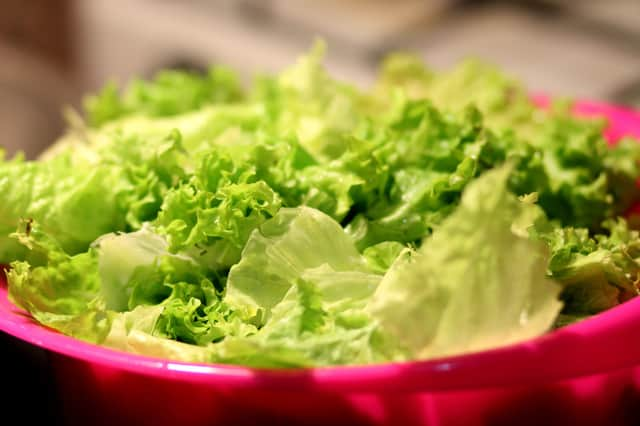
It is most commonly associated with fresh produce, particularly soft or unpeeled fruit, salad leaves and herbs such as coriander or basil. Contaminated water can also be a source.
Can the parasite be caught from someone who is unwell?
The cyclospora parasite is only spread via contaminated food or water, and is not passed from person to person through everyday contact.
Enjoy unlimited access to local news, the latest football stories and new puzzles every day.
With a digital subscription, you’ll see fewer ads, get faster load times, and access exclusive newsletters and content. Click here to subscribe.
What are the symptoms of cyclospora?
The infection can cause a number of different symptoms, including diarrhoea, cramping, bloating, nausea, loss of appetite and fever.
However, most cases are mild and will improve within a few days without treatment. Some infections may require antibiotics if the symptoms are prolonged or become serious.
People with weakened immune systems, including those living with HIV, are at greater risk of more severe or prolonged illness.
How many cases have been confirmed in the UK?
There have been 67 confirmed cases in people returning to the UK between April and July, health officials said.
This is compared with an annual average of 93 cases recorded between 2022 and 2025.
Travel information was available for 52 of the 67 cases, with 48 visiting Mexico and one also travelling to the US.
One case visited the US only and one travelled to Kenya.
How can I prepare before I travel?
While there is no vaccine against cyclospora, there are a number of preventative measures you can take, including:
- Wash hands regularly with soap and clean water or use alcohol hand gel when handwashing isn't available
- Drink bottled or boiled water where tap water isn't safe - this includes for brushing teeth
- Avoid ice in drinks
- Avoid fresh produce that may not have been washed in safe water, such as berries, salads and herbs
- Choose fruit you can peel yourself, like bananas or oranges
- Opt for pasteurised dairy products
- Eat freshly cooked food served hot
- Avoid smoothies and juices, which may contain raw fruit or vegetables
The UKHSA also advises travellers to check country-specific health information, pack a first aid kit which includes hand sanitiser and oral hydration sachets, and ensure that you have comprehensive travel insurance.
Dr Philip Veal, consultant in travel health at the UKHSA, said: “We have recently detected a rise in cyclospora infections among travellers returning from Mexico.
“These infections are caused by a parasite and can affect the stomach and intestines.
“Travellers to Mexico and other areas where the infection is more common can reduce their risk by following good food and water hygiene measures, including drinking bottled water and eating thoroughly cooked food, even when staying in high-end all-inclusive resorts.
“We also advise avoiding certain foods such as fresh uncooked berries and herbs, unpeeled fruit and salad items.”
For more information on cyclospora, visit the UK Health Security Agency website.
Dr Veal added: “If you develop symptoms after returning from travel, such as watery diarrhoea, loss of appetite, weight loss, stomach cramps or pain, bloating, increased wind, nausea, fatigue or other flu-like symptoms, please seek medical attention and inform your healthcare professional of your travel history.
“The TravelHealthPro website has more information on the steps you can take to keep yourself and your family well.”
The UKHSA is liaising with the ABTA and Mexican public health authorities as part of its investigation.