
Community Collaboration Takes Centre Stage in Plans to Regenerate Popular Seaside Town
Collaboration, shared grant support, and more accessible, inclusive spaces have been identified as key priorities by third sector organisations aiming to shape the future of Rhyl – a long-time favourite with North West holidaymakers.
The Rhyl Neighbourhood Board – the group behind the growing Ein Rhyl/Our Rhyl campaign – recently hosted a pivotal regeneration workshop at the town’s rugby club, bringing together around 25 key community figures and charities.
Attendees included representatives from Advanced Brighter Futures, West Rhyl Young People’s Project, Willow Collective, Credu/WCD Young Carers, Rhyl Rugby Club, Wicked Wales, and North Wales Women’s Centre.
The session was facilitated by Denbighshire Voluntary Services Council (DVSC), a key player in engaging public, private, and education sectors in developing a £20 million masterplan aimed at transforming Rhyl’s infrastructure, boosting employment, and improving access to opportunities.
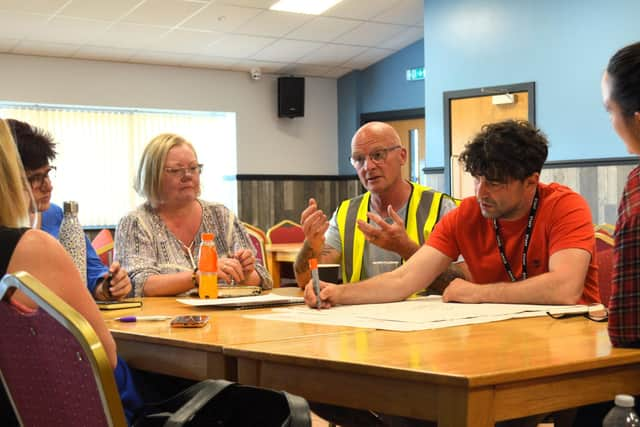

DVSC Associate Alison Hill expressed her appreciation for the energy and ideas brought to the event – including a proposal for a central hub to support third-sector operations and ease the burden of navigating funding applications.
“I want to extend a heartfelt thank you to all the charities and third sector organisations who joined us for our workshop in Rhyl,” said Alison. “Your time, energy, and thoughtful contributions were invaluable. It was inspiring to see so many passionate individuals come together with a shared commitment to making a positive difference in the town. “The thoughts shared, and challenges discussed, are key to shaping a regeneration plan that truly reflects the needs and hopes of the community. “As we look ahead to delivering Rhyl’s 10-year, £20 million regeneration vision, your voices and continued collaboration will be absolutely essential in creating a thriving, inclusive future for everyone.”
In the lead-up to the event, Alison held consultations with groups across the area and said there is a strong appetite to collaborate and deliver meaningful, long-term change.
“We had a lot of feedback on what the most pressing needs are for them, and what the biggest issues are, with examples being high levels of poverty, youth disengagement, lack of affordable housing, mental health and the decline of the town centre,” said Alison. “For the majority, solutions included safer streets and reducing anti-social behaviour, cleaner and greener public spaces, better leisure facilities and accessible community buildings, and more funding and resources for voluntary organisations.”
Attendees also emphasised the need for long-term project funding to improve staff retention and morale, more knowledge sharing across towns and cities in the region, creative use of empty shops, and stronger links with schools, colleges, and the private sector. Despite recognising the challenges of partnership working, there was clear enthusiasm for “taking a new approach” to collaboration.
DVSC Chief Executive Tom Barham called for the momentum to continue with more regular in-person gatherings:
“Thank you for your time and commitment to this conversation. Together we can make the most of the many strengths Rhyl already has.”