
Lancashire Trading Standards warn parents over 'potentially dangerous' squishy toys - what to look for

Lancashire County Council issues alert as Trading Standards seize 200 illegal and unsafe squishy toys amid safety concerns.
Lancashire County Council (LCC) has issued a warning to parents after Trading Standards removed 200 ‘potentially dangerous’ illegal squishy toys from store shelves in the county during May.
The non-compliant toys on sale in shops across Lancashire were removed by officers following reports from worried parents about the ‘strong chemical smells’ and ‘sticky texture’ of the sensory toys.
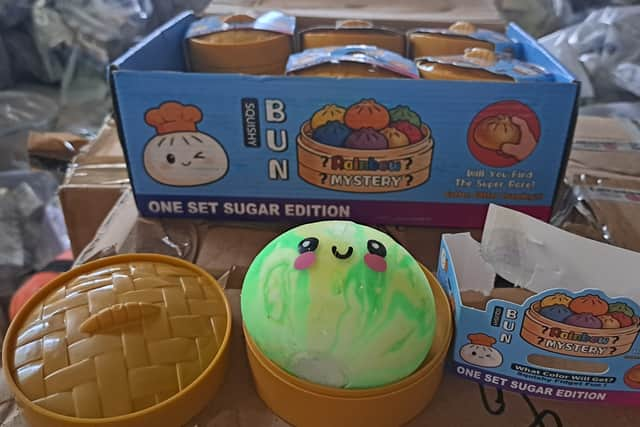

The seized toys were found to be incorrectly labelled, with no UK supplier’s name and address displayed. Fake versions of the genuine toy brand NeeDoh were also reported.
Trading Standards officers were also concerned that many of these illegal toys often look like food, such as jelly cubes, butter blocks or steamed buns, which could pose choking or ingestion hazards to small children.
Be first to know. Get Lancashire’s biggest stories delivered direct
LCC’s warning comes following reports nationally of similar toys containing high levels of Volatile Organic Compounds, including benzene, a toxic and carcinogenic chemical with a maximum legally permitted concentration level in toys of 5 mg/kg (0.0005%).
Lancashire County Council’s Trading Standards officers are asking customers and businesses to inspect packaging carefully, ensuring products have the UKCA or CE mark, checking for the name and address of a UK-based importer or manufacturer, and making sure warnings and usage instructions are present.

LCC Trading Standards says that if any of these details are missing, the toy is likely not to have undergone the required safety testing.
They are also urging parents to be cautious of ‘bargains’, counterfeit products and ‘copycat’ toys, which, while cheaper, may pose serious safety risks including choking hazards or exposure to toxic materials.
Councillor Joshua Roberts, Cabinet Member for Rural Affairs, Environment and Communities, said: “It is vital that consumers are careful when buying these popular sensory toys, ensuring that they are safe and that they are purchasing the genuine product. As they are often cheaper than genuine versions, they might seem like a bargain and can be very tempting. However, they can be dangerous as they may not have been manufactured in accordance with stringent toy safety legislation.
“We’re aware of at least one case nationally of a copycat product being found on sale with illegal levels of dangerous chemicals like benzene, a toxic and carcinogenic substance, for which the maximum legal level in UK toys is capped at 5 mg/kg (0.0005%).
“Businesses also need to be vigilant and ensure that the toys they are selling are genuine and safe. Anyone who has bought a toy and thinks it could be unsafe or counterfeit should report it to our Trading Standards Service via the Citizens Advice Consumer Service on 0808 223 1133.”