
'Finding and keeping good people is a critical priority' says Leyland Trucks leader as businesses meet
'People and culture must power a stronger, more resilient workforce, say Lancashire business leaders.
Businesses must put people and culture at the heart of their plans if they are to remain flexible, productive and resilient through a challenging economic period, according to leaders discussing the future of the workforce.
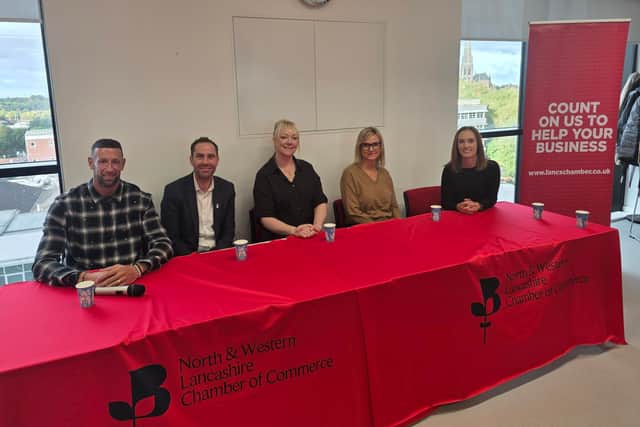

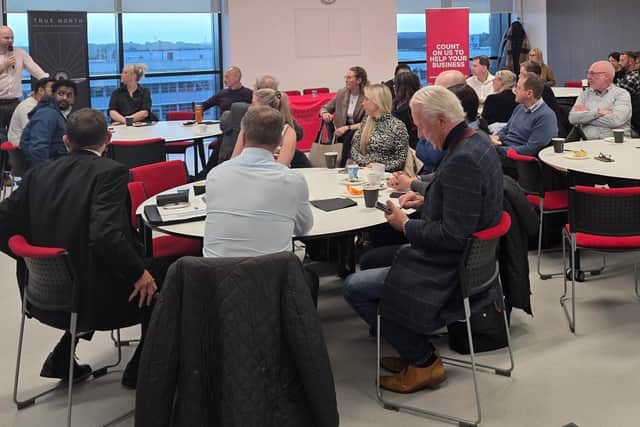
Discussing the changing landscape of the workforce, attendees at this week’s Lancashire Economic Breakfast, sponsored by leading independent law firm Brabners, said while AI can play a part, businesses must support their workforce to maximise productivity and reach their potential.
An expert panel, including Tom Smith from Blackpool-based Complete Online, Christine Hart from Brabners, Maria Rogers from Leyland Trucks, Victoria Zawistowicz from Sustainable Energy First and Prof Adrian Wright from hosts the University of Lancashire, all placed people and culture at the forefront for building growth in uncertain economic times.
This was underlined by the latest results of the Quarterly Economic Survey which, despite some growth in the manufacturing sector, showed the following:
- Businesses cautious about recruitment and investment, and the approaching Autumn Budget is adding uncertainty
- Business confidence in turnover remains positive, and is up in manufacturing, perhaps with higher pricing to come
- Sustained high-level of cost pressure on businesses, driving inflation and in turn demand
- Businesses are facing pressure from several directions simultaneously
- With the Autumn Budget just weeks away, taxation is a leading concern, while global uncertainty continues to feed through into worries about raw materials and rising fuel costs
Against this backdrop, panellists stressed that confidence in the future must be matched by action inside organisations, as well as greater engagement with education providers and other stakeholders.
The panel also agreed artificial intelligence and wider digital transformation should be approached as tools to improve efficiency and redesign day-to-day work, not as substitutes for strong leadership or workforce development.
Tom Smith, CEO of Complete Online, added: “Building a resilient business means creating a workforce that feels secure, trusted and able to adapt as conditions change.”
Maria Rogers, from Leyland Trucks, added: “Finding and keeping good people is a critical priority. Positive workplace culture, meaningful work, employee wellbeing and clear opportunities to develop can strengthen retention while helping employers compete for scarce skills.”
Brabners has sponsored the Quarterly Economic Survey and Lancashire Economic Breakfast for the past two years. The firm provides legal services for a wide range of business and personal clients and has over 500 colleagues across offices in Lancashire, Liverpool, Manchester, Leeds and London.
Christine Hart, Legal Director at Brabners employment and pensions team, said: “There’s a disconnect in our economy between businesses saying they want to recruit and young people who want to work.
“We believe there’s a duty on employers, both in Lancashire and across the North, to work with education providers to help them understand exactly what skills they need now and in the future.”
Brabners recently announced an innovative new partnership between its True North network, which brings together purpose-led organisations from across the region, and the Aldridge Foundation. It is designed to tackle the gap between education and employment.
The partnership will build connections between True North members and the Aldridge academies, initially in Darwen, to give young people greater access to the skills, experiences, relationships, and opportunities they need to move into further education, apprenticeships, or employment.
The partnership follows the interim findings of the Milburn Review into the rising numbers of young people not in education, employment or training. Christine added Brabners hoped the partnership could provide a framework for further similar collaborative initiatives between businesses and education providers across the region.