
'I'm disheartened': North West sufferers highest number of venue closures despite music industry revival

Despite the UK music industry experiencing a major revival in 2024, with over 1,500 additional music events held nationwide compared to the previous year, the North West suffered the highest number of regional venue closures in 2024.
In what was the best year for the sector this decade according to new data released by A2D2, the overall statistics show that the UK continued its live events revival post-Covid. Places such as Newcastle, which hosted 509 extra events (a staggering 155% increase); Manchester; and Bristol (300 more each), enjoyed notable boosts.
Overall, the UK held 23,713 music events in 2024, up from 22,195 in 2023, driven by surging demand and a renewed public appetite for live entertainment.
However, not all cities benefitted from the boom. Liverpool, once famed for its musical heritage as the birthplace of The Beatles, lost 74 events—an 8% drop year-on-year. The North West as a whole reported the highest number of venue closures, with 19 shutting their doors, contributing to Liverpool’s decline.


“It's disheartening to see a decrease in music events in certain cities, especially Liverpool,” said Pete Fealey, the founder of A2D2, who started his career as a sound technician, touring with a range of music artists across the UK. “Recently, I’ve been touring and noticed more artists doing smaller venues that are off the beaten track but these venues don’t always sell out.
“Organisers use previous events to determine interest for future events so having events that don’t sell out may be a part of the problem,” he added. “A city without music events risks losing more than just entertainment; it can mean losing a vital part of its cultural identity, economic vibrancy, and community spirit.”
The downturn in Liverpool was particularly sharp during summer, with 82 fewer events between July and September. The festive season also suffered, as 35 fewer events were held in December amid rising living costs, with nearly half of Brits cutting back on hospitality visits and one-third hosting at home instead.
Despite regional disparities, the industry at large saw record-breaking ticket sales, especially in the electronic music sector, which brought in £163 million alone. The economic contribution from music festivals also rose by 14% to £646.2 million.
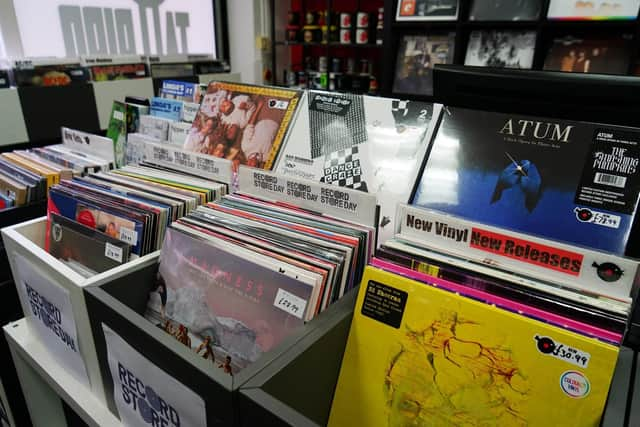
In a sign of renewed interest in physical media, vinyl sales hit a 20-year high, prompting retailers like WHSmith and John Lewis to reintroduce vinyl records to their stores. In total, 17.4 million physical albums were sold, marking the first year-on-year rise since 1994.

“The impact [of fewer gigs] can create a stifled creative scene and a less connected population,” Pete said. “Music events bring people together, foster creativity, and inject life into urban spaces. Their decline can leave a void that's hard to fill. If you want to keep your local music scene alive, you need to support local venues.
“It’s great to see the majority of cities thriving, and hopefully this comes back to cities like Liverpool in the future.”