
Cell phone signal booster versus mobile signal booster: what is the difference?



Need to improve call quality and mobile data speeds? Is your phone signal weak in your home or office?
When people search for ways to improve poor indoor mobile reception, they often see two phrases used online: cell phone signal booster and mobile signal booster.
This can make it seem as though there are two different types of products. In reality, a cell phone signal booster and a mobile signal booster are essentially the same thing, simply described using different wording.
Why two different names exist
The difference in terminology is mainly down to language and geography. In the United States, the term cell phone is commonly used, while in the UK and Europe most people say mobile phone. As a result, products designed to improve reception are often marketed under different names depending on the audience.
Despite this variation, both terms refer to the same type of device. Whether a product is labelled as a cell phone booster or a mobile booster, its purpose and function remain identical.
How these boosters work
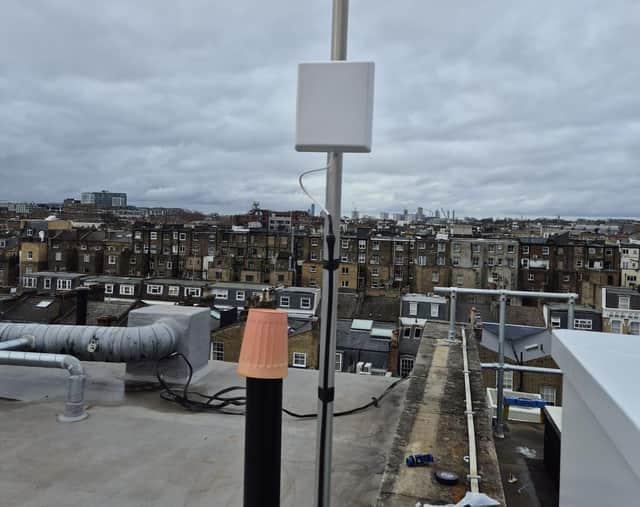
All signal boosters operate in the same basic way. An outdoor antenna captures the available mobile signal outside a property. That signal is then sent to an amplifier inside the building, which strengthens it and redistributes it through an indoor antenna.
The goal is to improve call quality and mobile data speeds in homes, offices and other buildings where reception is weak. The technology does not change depending on what the system is called. A cell phone booster and a mobile booster perform exactly the same task.
Legal requirements in the UK
Some customers worry that a device described as a cell phone booster might be different from a UK-approved mobile signal booster. The important point is that legality depends on the specific equipment, not the name.
In the UK, any booster must comply with Ofcom regulations and include safeguards to prevent interference with mobile networks. Approved systems automatically control their power levels and operate safely with UK frequency bands. As long as a product meets these standards, the wording used to describe it makes no practical difference.
Getting the right advice
Although the names are interchangeable, boosters themselves vary widely in quality and capability. Choosing the correct system depends on factors such as the size of the property, the strength of the outdoor signal and the mobile network being used.
This is why buying from a reliable supplier is so important. Low-cost devices found on online marketplaces are often not designed for UK use and may fail to deliver real improvements. A specialist provider can recommend compliant equipment and ensure it is properly matched to your needs.
The simple answer
There is no meaningful difference between a cell phone signal booster and a mobile signal booster. They are two ways of describing the same technology. What truly matters is selecting a legal, high-quality system from a trusted source that understands UK networks.
With the right equipment and professional guidance, anyone struggling with poor indoor reception can achieve clearer calls and more dependable mobile connectivity.