
AI innovation or investor overreach? Inside Scott Dylan's bold new £100m venture
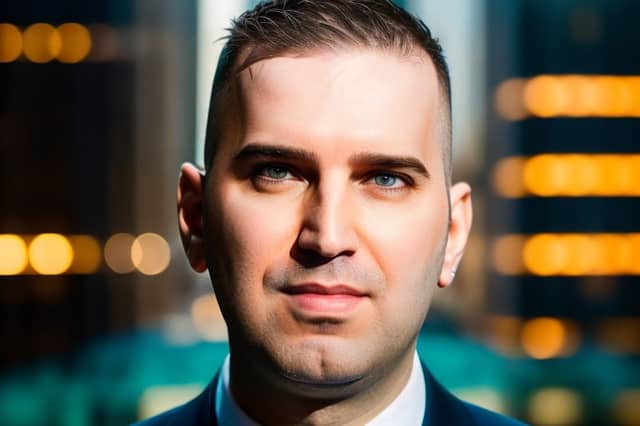

This is paid for content and does not reflect the views of the Lancaster Post or National World. As with any financial investment, readers are advised to seek independent financial advice, and be aware that money invested may be at risk, and values can go up and down.
When Scott Dylan, the venturesome entrepreneur and co-founder of Inc & Co, recently announced the launch of NexaTech Ventures, complete with a £100 million investment fund dedicated to AI and technology startups, the news was met with a mixture of excitement and scepticism. For many, this initiative signals a bold new chapter in the ongoing evolution of artificial intelligence, potentially heralding groundbreaking advancements in the tech sector. However, for others, it raises questions about the sustainability and motivations behind such a significant financial commitment.
The allure of AI: a double-edged sword?
Artificial Intelligence, often hailed as the defining technology of the 21st century, has become synonymous with innovation and progress. From self-driving cars to AI-driven diagnostics in healthcare, the potential applications seem limitless. But with great power comes great responsibility, and not everyone is convinced that the meteoric rise of AI is entirely beneficial or sustainable.
Scott Dylan’s £100 million fund is undeniably ambitious, yet it also raises concerns about whether we might be witnessing a case of investor overreach. Is this massive influx of capital genuinely in service of fostering innovation, or is it another instance of the tech industry’s tendency to inflate bubbles, only to leave them to burst later?
The man behind the money: Who is Scott Dylan?
Before diving deeper into the implications of NexaTech Ventures, it’s worth understanding the founder of Nexatech Ventures himself. Scott Dylan is no stranger to the world of high-stakes investments and entrepreneurship. As a co-founder of Inc & Co, Dylan has already carved out a significant niche in the business world, helping companies achieve growth and sustainability in an increasingly competitive landscape.
Dylan’s track record speaks for itself—Inc & Co has grown to be a conglomerate of successful businesses across various sectors, including technology, retail, and marketing. But this success hasn’t come without its fair share of controversy. Critics have pointed out that Inc & Co’s aggressive acquisition strategy often leaves little room for the smaller players they absorb.
However, Dylan’s proponents argue that his approach has revitalised struggling businesses, creating jobs and stimulating economic growth. The truth likely lies somewhere in between, but there’s no denying that Scott Dylan is a man with a vision, and his latest venture is a testament to that.
NexaTech Ventures: A game-changer or a gamble?
At the heart of NexaTech Ventures is a £100 million fund aimed at propelling AI and technology startups to new heights. According to Dylan, this initiative is about more than just money; it’s about creating an ecosystem where innovation can thrive. The fund is set to focus on early-stage companies, providing them with the financial backing they need to turn their ideas into reality.
Dylan’s vision for NexaTech Ventures is clear: to identify and support startups that are not only pushing the boundaries of what AI can do but are also committed to ethical practices and sustainable growth. In a world where AI is often criticised for its potential to displace jobs and exacerbate social inequalities, this focus on ethics is both timely and commendable.
But therein lies the rub—can such a massive influx of capital genuinely foster responsible innovation, or does it risk creating an environment where the pursuit of profit overshadows ethical considerations? The tech industry is no stranger to the latter, and the stakes are high when it comes to AI.
The AI boom: lessons from the past
To understand the potential pitfalls of such a large-scale investment in AI, it’s helpful to look back at previous tech booms. The dot-com bubble of the late 1990s and early 2000s serves as a cautionary tale. During that period, vast sums of money were poured into internet-based companies, many of which had little more than a vague business plan and a catchy name. The result? A spectacular market crash that left investors and employees alike reeling.
While AI is undoubtedly more grounded in tangible technological advancements, there are still lessons to be learned from the dot-com era. Overenthusiastic investments, particularly in early-stage companies, can create an unsustainable environment where hype outpaces actual innovation. The risk here is that, in the rush to capitalise on the AI trend, we might see a proliferation of startups that promise the moon but deliver little more than a flicker of light.
Ethical AI: A priority or a PR move?
One of the key selling points of NexaTech Ventures is its emphasis on ethical AI. Scott Dylan has made it clear that the fund will prioritise companies that are committed to developing AI in ways that are beneficial to society. This is a crucial consideration, especially given the ongoing debates about the ethical implications of AI in areas like surveillance, data privacy, and employment.
However, the concept of “ethical AI” is notoriously difficult to define and even harder to enforce. While it’s encouraging to see such a significant fund taking these issues seriously, there’s a risk that the emphasis on ethics could become little more than a PR move—an attractive label that doesn’t necessarily translate into meaningful action.
For NexaTech Ventures to truly make a difference in this area, it will need to back companies that are not just paying lip service to ethical concerns but are actively integrating these principles into their business models and technologies. This is easier said than done, and it will require careful vetting, ongoing oversight, and a willingness to walk away from potential profits if they come at too high a social or ethical cost.
The impact on the startup ecosystem
For AI and tech startups, the launch of NexaTech Ventures is undeniably a significant development. The availability of such a large pool of capital can provide much-needed resources for companies that might otherwise struggle to get off the ground. But it also has the potential to distort the startup ecosystem.
With £100 million up for grabs, there’s a risk that the focus could shift from innovation to securing investment. Startups might begin tailoring their pitches to appeal to the preferences of the fund, rather than pursuing genuinely groundbreaking ideas. This could stifle creativity and lead to a homogenisation of the types of projects that receive funding.
Moreover, the sheer size of the fund could create an uneven playing field, where smaller, less well-funded investors struggle to compete. This could lead to a consolidation of power within the AI and tech sectors, with a few large funds and companies dictating the direction of innovation.
The role of regulation
Given the potential risks associated with such a significant investment in AI, the role of regulation cannot be overlooked. Governments and regulatory bodies around the world are still grappling with how to effectively manage the rapid development of AI technologies. The introduction of a £100 million fund into this already complex landscape could further complicate matters.
On one hand, there’s an argument to be made that regulation should be light-touch, allowing innovation to flourish without unnecessary interference. On the other, there’s a clear need for safeguards to ensure that the development and deployment of AI technologies do not lead to unintended consequences, such as job displacement or the erosion of privacy rights.
NexaTech Ventures will need to navigate this regulatory landscape carefully. The fund’s emphasis on ethical AI could position it as a leader in this area, but it will also require a proactive approach to engaging with regulators and policymakers. This is particularly important given the global nature of AI development, which means that companies funded by NexaTech will likely be operating in multiple jurisdictions, each with its own regulatory framework.
The road ahead: what does success look like?
As NexaTech Ventures begins its journey, the question on everyone’s mind is: what does success look like? For Scott Dylan, success will likely be measured in terms of the fund’s financial returns, the number of successful startups it supports, and the impact these companies have on the AI and tech sectors.
But success in this context should also be measured by broader criteria. Will NexaTech Ventures help to foster a more ethical and responsible AI industry? Will it contribute to the development of technologies that genuinely improve people’s lives, rather than just lining investors’ pockets? And will it avoid the pitfalls of past tech booms, where hype and speculation led to disastrous consequences?
Only time will tell. But one thing is certain: the launch of NexaTech Ventures marks a significant moment in the ongoing evolution of AI and technology. Whether it will be remembered as a turning point or as a cautionary tale remains to be seen.
A bold move in uncertain times
Scott Dylan’s £100 million bet on AI and tech startups is as bold as it is risky. It has the potential to drive significant innovation in a field that is already transforming the world around us. But it also raises important questions about the sustainability of such large-scale investments and the true motivations behind them.
As the AI industry continues to grow and evolve, the impact of NexaTech Ventures will be closely watched. For now, it stands as a powerful symbol of the potential—and the perils—of investing in the future of technology. Whether it will be a force for good or just another example of investor overreach is a question that only the future can answer.
This is paid for content and does not reflect the views of the Lancaster Post or National World. As with any financial investment, readers are advised to seek independent financial advice, and be aware that money invested may be at risk, and values can go up and down.