
Preston’s vanished phone boxes and its forgotten telecom past
As Preston City Council this week confirmed to The Post that the famous Market Street red phone boxes would continue to kept in storage, we look back at the town’s pioneering place in the history of telephonics.
There is no doubt that in recent times our methods of communicating by telephone have changed significantly. So much so that many of us have ditched the landline and now rely on our very smart mobile phones to chat and exchange messages, writes Keith Johnson.
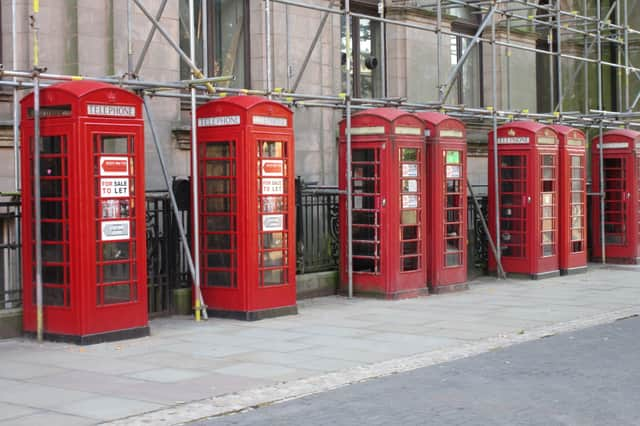

Such are the changes that by January 2027 all calls will move from analogue to digital communications. It is a far cry from the days in August 1881 when euphoria greeted the first telephonic exchange opened in town by the Lancashire Telephonic Exchange Company, who operated from premises on Lancaster Road across from where Miller Arcade now stands.
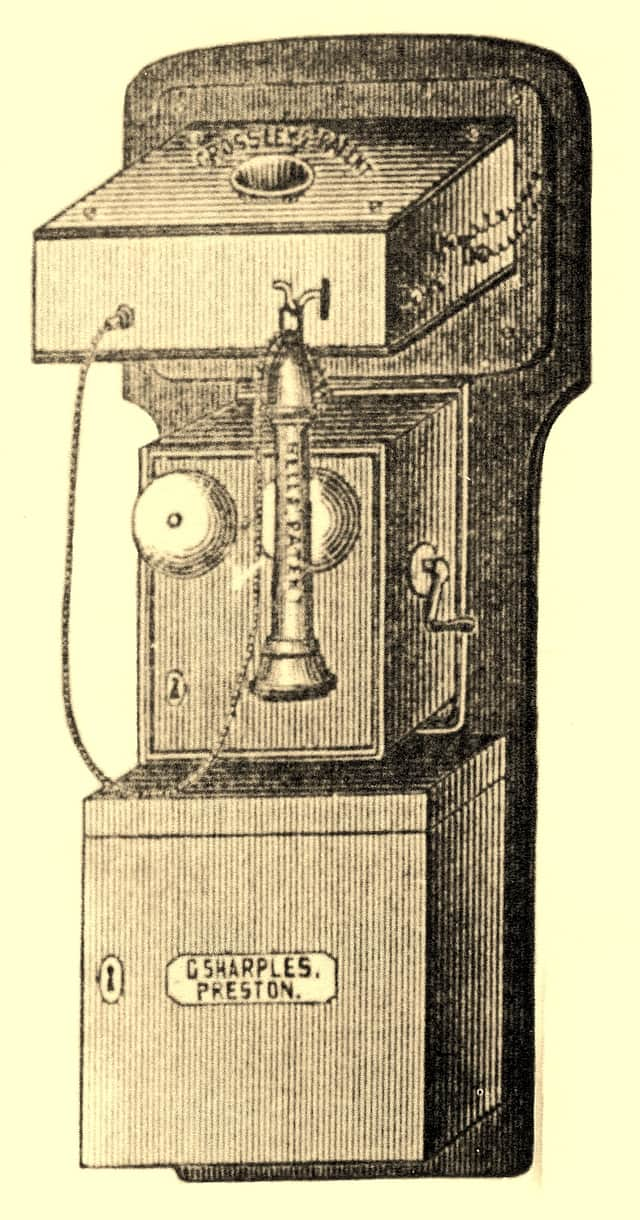
Local enthusiast George Sharples, a chemist by trade who was familiar with telegraph engineering, also had ambitions in this field and successfully applied for a licence to operate from his premises at No. 7 Fishergate. His Preston Telephonic Exchange opened a few weeks later, having recruited local businesses who at first were reluctant to move away from the highly efficient telegraph message services and embrace the new technology.
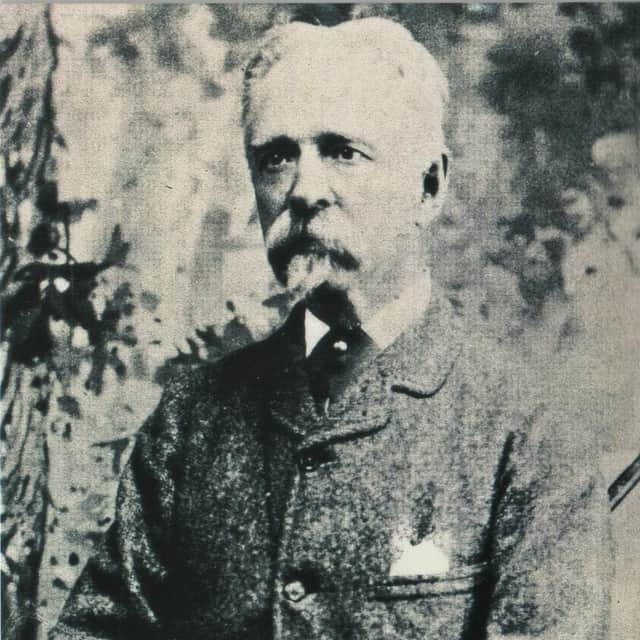
Both exchanges gradually expanded their business and by June 1882 George Sharples had a list of some eighty subscribers, including the Tithebarn Street Fire Station, the Town Hall, the House of Correction and the Preston Royal Infirmary. Dial a single or double digit as required and you could communicate. Dial 31 for the Margerison Soap Works, or 17 for Dr King at the hospital, or 64 for Mr Sumner at the Prince Albert Hotel.
Mr Sharples explained: “Subscription to the Exchange has been kept as low as possible, as the usefulness of a Telephonic Exchange mainly depends upon the number of members. The subscribers already number over 70, but it is expected that not less than 150 will be connected by the end of the year, when Night Service will be put on. The wire to Manchester will be led into the Postal Telephonic Exchange at Manchester, and when terms are arranged any of the Preston subscribers will be able to speak with any other member of the Manchester Royal Exchange. At present the hours will be from 8 in the morning until 8 at night, but any two subscribers can be left through to each other all night.”
The wire to Manchester will be led into the Postal Telephonic Exchange at Manchester, and when terms are arranged any of the Preston subscribers will be able to speak with any other member of the Manchester Royal Exchange. At present the hours will be from 8 in the morning until 8 at night, but any two subscribers can be left through to each other all night
Things progressed quite rapidly after that and by 1886 Sharples had sold his business to the county operators, who in turn were taken over by the National Telephone Company in 1889. Within a year the £9 subscription rate offered by Sharples had increased to £12 – a familiar tale. Within three more years this organisation had set up its telephone exchange in Guildhall Street and a decade later moved operations to the old Preston Gas Company offices in Glover Street, where the multi-storey Avenham car park now stands.
Despite the NTC being taken over in 1912 by the Post Office, the Preston Telephone Exchange remained at the Glover Street premises until 1931, when an automatic telephone system was installed in the General Post Office building in the Market Place. Subscribers now had the freedom to dial most calls themselves. At the official launch of the new system it was stated that 15,000 calls were handled daily in Preston. Not long afterwards that familiar row of red public telephone kiosks appeared along the side of the GPO on Market Street and brisk business followed. Indeed, there were days when you had to queue patiently to use one of the telephone kiosks dotted around town, which first appeared on Preston’s streets back in 1922.
From the mid-1940s the increase in telephones was dramatic, with modern technology and underground cables leading to greater efficiency. A reflection of this progress was seen locally in June 1964 when the main Preston telephone exchange was moved to the purpose-built structure on Moor Lane. The era of trunk dialling had arrived and by 1980 two out of three homes within the Preston Telephone Area had a telephone installed.
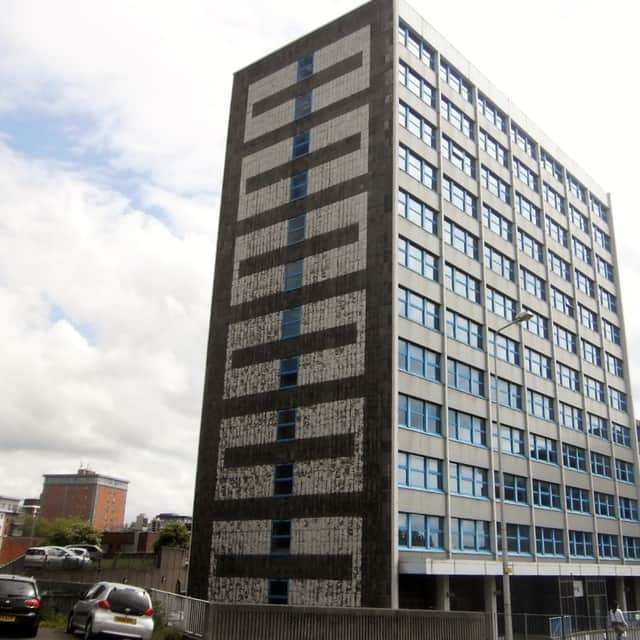
Although George Sharples had sold his interest in the telephone business, he kept a keen interest in its development in Preston throughout his life. He remained an active pharmaceutical chemist until his death in October 1903, aged 84, when it was stated that “Preston’s Oldest Tradesman” had departed this life. He had acquired the business in 1842 and completed over sixty years of daily attendance. It was also mentioned how several electrical engineers had received their early tuition from him and his eldest son Charles Sharples, who had died suddenly in 1889, aged just 40, not long after making his valuable contribution to the development of the telephonic apparatus.
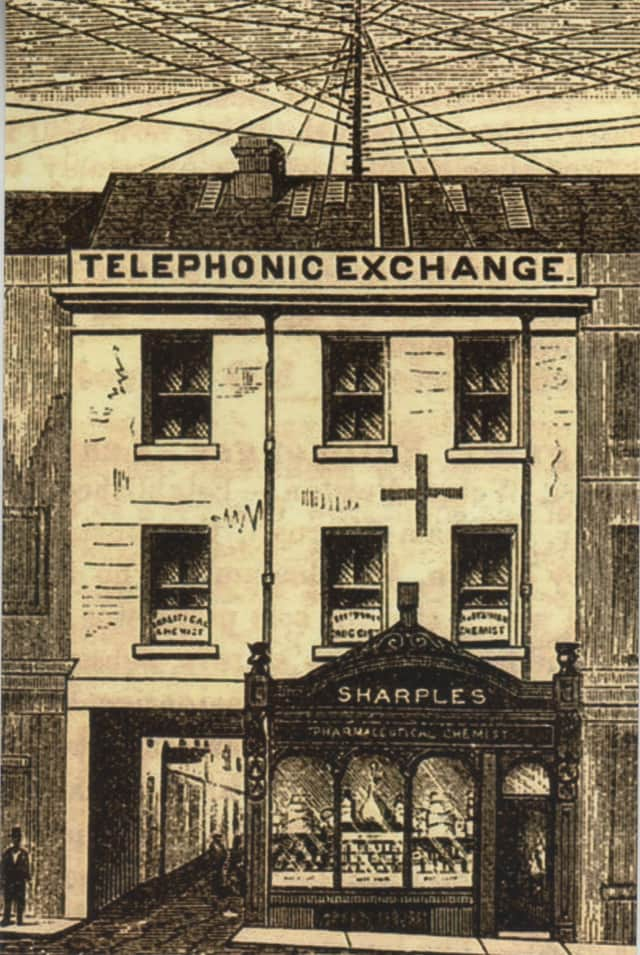
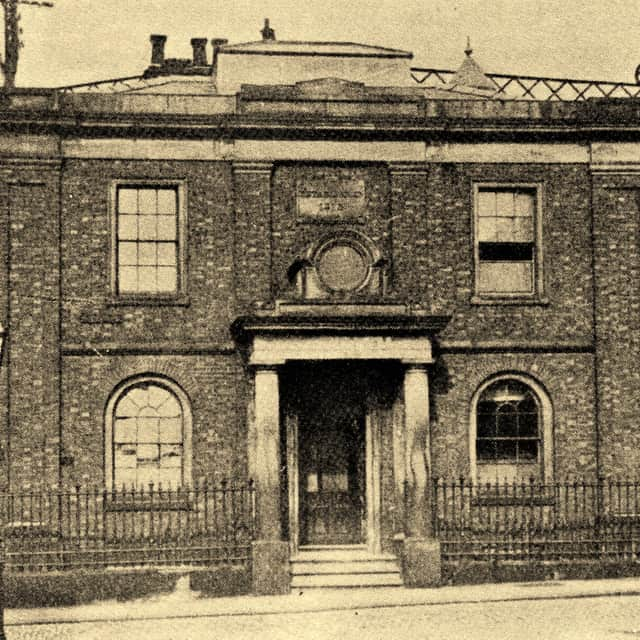
Within six months the original Preston Telephonic Exchange was put up for sale and acquired by H. G. Crompton, pharmacist. We are fortunate to have a couple of sketches showing the location of the exchange at the top of Glovers Court, facing on to Fishergate. This was the time when the entrance to Glovers Court was by an alleyway at the side of Sharples Pharmacy, which was flanked by a carpet warehouse to its left and John Whitehead’s ironmongers to the right, which by February 1910 had become the first site of a Woolworth’s store in town. E. H. Booth’s, with their origins on Preston’s Market Square, gradually extended their premises on Fishergate to the corner of Glovers Court and by 1913 the old exchange and the chemist shop, by then Crompton’s Pharmacy, were swept away to open up Glovers Court.
Of course, when we talk of telephones in Preston we often refer to the iconic row of red telephone kiosks on Market Street. For many years they have understandably been abandoned in these days of mobile and smart phones. However, although they have at present been removed from our landscape there are plans for their return after renovation and restoration.
Meanwhile, if you yearn for a glimpse of a couple of those old telephone kiosks, there is a pair situated outside Preston Railway Station, although you can’t phone a friend from them these days. Much more of Preston’s telephonic history is chronicled in my A–Z of Preston, published by Amberley.