
Why £6.8m is being spent protecting eels in this Lancashire river
A new project costing £6.8m and involving specialist divers is underway to protect endangered eels and elvers in the River Lune.
United Utilities are carrying out the project which involves the introduction of new screens and pipework that protects the fish from getting caught up in equipment when water is abstracted from the river.
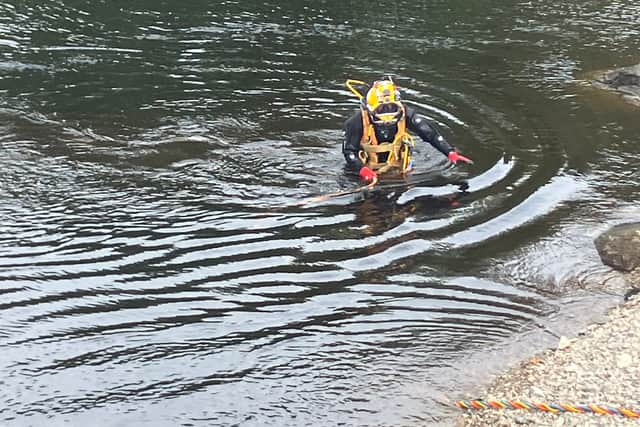
Specialist diving engineers are installing screens made of fine mesh at an intake abstraction point just outside the village of Caton. Additional work is also being carried out further downstream at Halton to install a fish return system that safely returns any fish that enter the equipment. Work is set to be completed by the end of the year.
Why do it?
UU say the new equipment will play an important role in helping protect endangered European eels that travel along the Lune by preventing them from getting trapped or injured in the water abstraction equipment. The three screens being installed at Caton feature a fine mesh which will also help protect other fish and organisms, including salmon, trout and shrimp which are commonly found in the River Lune.
European eels start their life in the Sargasso Sea on the other side of the Atlantic near Bermuda before they migrate to Europe where they settle and grow for up to 20 years before returning to the Sargasso to spawn. The numbers arriving in Europe have declined by 95 per cent in the last 40 years.

Vital role
Stephen Walker, who heads up Water Services for United Utilities in Lancashire said: “European eels are an important part of the ecology in the River Lune and this project will play a vital role in supporting the eel population. The fish return system at Halton should return most fish back to the river, but just in case any bypass that system, the fine screens we are installing further upstream at Caton will protect those from being caught up in our underwater equipment.
“We’re committed to supporting collective efforts to reverse the decline of the eel population in the River Lune and other rivers across the region.”