
New live map allows you to track Lancashire's fleet of gritters in real time

Lancashire residents can now track the county's fleet of gritters on a new live map.
Lancashire Gritting Live shows the current location of the county council's gritters, while a trail of blue arrows indicates areas they have treated in the previous 18 hours.
A lot of gritting takes place overnight and people can now see exactly which routes have been treated, and where crews are in real time.
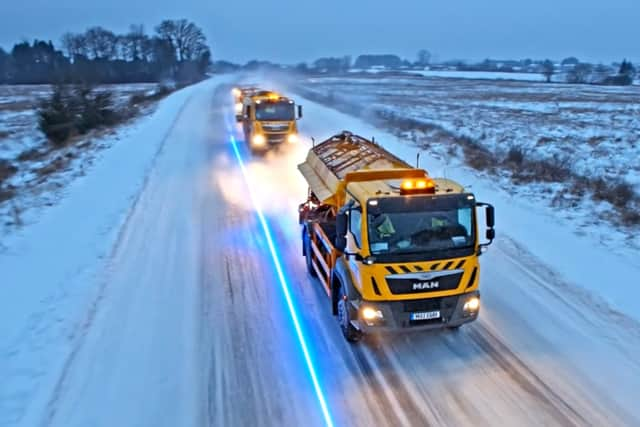

Where’s SnOasis? - there it is!
Ten new gritters were added to the fleet this year and were named after a public competition. Additional shortlisted names have been given to older vehicles so that every gritter on the map can be easily identified.
You’ll find Taylor Drift, SnOasis, GritZilla, Santa Thaws, Ctrl-Salt-Delete and Bobby Snowball among the gritters as they make their rounds on the county’s roads.
Gritting has been carried out daily during the current spell of freezing weather, with crews treating priority routes across the county since Christmas.
The new live map shows the council's 47 gritting routes in light brown, with each gritter identified by a yellow vehicle icon and its name.

County Councillor Warren Goldsworthy, cabinet member for highways and transport, said: "The map gives people a clearer picture of what’s happening on the road network during winter weather, showing where gritting is taking place and which routes have already been treated.
"Even after gritting, roads can remain icy in very low temperatures. Traffic is needed to help the salt work, which is why treated roads may still feel slippery at times."
During the winter period, the council has up to 150 trained drivers available around the clock to go out during winter weather.
Treating the county’s approximately 1,800 miles of priority roads typically takes up to four hours, although this can take longer during severe or prolonged winter weather.
Drivers are reminded to take extra care in freezing conditions, even on roads that have been treated.