
Too many children in Lancashire are carrying knives because they feel unsafe in their neighbourhoods

Children in England – including some as young as 11 – are carrying knives because they feel unsafe in their neighbourhoods, a report has found.
Serious youth violence is “more far-reaching” than many adults realise and it has a “wide impact” across communities, inspectorates have suggested.
Children with special educational needs and disabilities (SEND) are disproportionately at risk of serious youth violence, according to the joint study by Ofsted, the Care Quality Commission (CQC), HMI Constabulary and Fire & Rescue Services and HMI Probation.
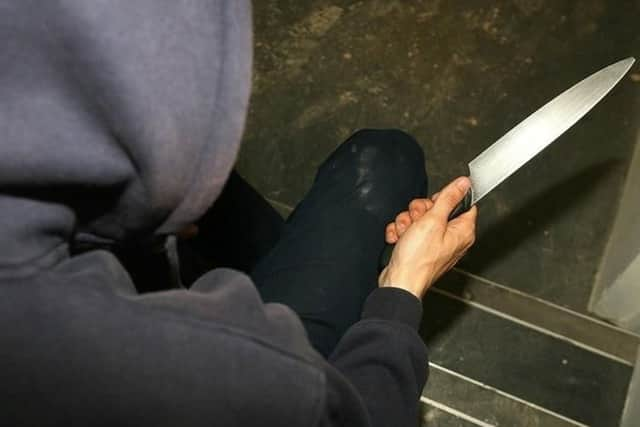

The report sets out findings from six joint targeted area inspections which looked at how local partnerships and services respond when children and young people are affected by serious youth violence.
The inspections - which tracked the experiences of hundreds of children between September 2023 and May 2024 in Leeds, Coventry, Somerset, Manchester, Merton and Lancashire - found serious youth violence is “widespread” and whole communities are affected by it.
The report said: “Parents are very concerned for the safety of their children. We frequently heard of children carrying knives in order, as they described it, to protect themselves.
“The fear of knife crime among children is evident. Inspectors were alarmed at how many children and professionals told them that it is common for children to carry a knife. This included children as young as 11.”
It found serious youth violence disproportionately affects young people with Send – particularly those who might be considered neurodivergent – and it has called on the Government and local agencies to prioritise the needs of these children most at risk of harm.
“Delays across England in assessing children’s needs in relation to Send are putting these children at greater risk of harm,” the report warned.
It has called on partnerships to make it an objective to reduce the over-representation of black and other ethnic minority children affected by serious youth violence in their area.
While the inspectorates found examples of partnerships doing effective work to reduce harm, the report noted “this is not happening in all areas”.
It said: “A failure to consistently identify serious youth violence as a safeguarding issue is leaving too many children at serious risk of harm.”
Some professionals did not realise the “harmful consequences” of the way they responded to children, such as blaming them for the harm they experienced.
Inspectors also found black children were more likely to be “adultified” in this way than their peers.
Separate research from charity Safer London, commissioned by Ofsted, found families affected by serious youth violence often felt a distinct lack of empathy from professionals.
Sir Martyn Oliver, chief inspector of Ofsted, said: “Knife crime is blighting the lives of too many children in England. It’s a national scandal.
“It’s very disturbing that children as young as 11 feel they need to carry a knife for their own protection.
“Where we see local partnerships are working well together, it makes a real difference. So I hope this report helps improve practice, knowledge and understanding for all local areas.
“Urgent action is needed now, to keep children safe.”
It comes after more than 1,400 weapons were recovered in the county during a week-long campaign warning of the "devastating consequences" of knife crime.
As part of a national operation, Lancashire Police said it had made 90 arrests and conducted 331 stop and searches.
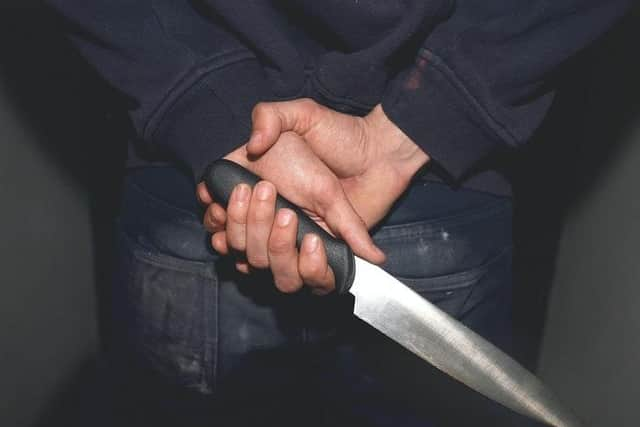
Operation Sceptre saw the force work with the Lancashire Violence Reduction Network (VRN) and other local agencies.
About 15,000 youngsters who took part in workshops - held in schools, colleges and community groups - heard real-life stories about the effects of knife crime.
As part of the campaign, 23 "knife surrender bins" allowed people to safely dispose of knives and other dangerous weapons.
Meanwhile Trading Standards worked with police to visit 70 retail stores.
Using underage volunteers, they tested whether staff were complying with laws restricting knife sales.
Police said 27 stores failed, "highlighting the continued need for education and enforcement around responsible knife sales".
Chief Insp Dave Oldfield, operational lead for Lancashire VRN, said: "Sceptre isn’t just about enforcement – it is about prevention, education, and building trust.
"The recovery of over 1,400 knives and the engagement of more than 15,000 young people shows the significant strides we are making.
"But the work doesn’t stop here. By continuing to collaborate and address the root causes of knife crime, we can make communities safer for everyone."
Lancashire Police and Crime Commissioner Clive Grunshaw added: "Carrying or using knives is completely unacceptable and unnecessarily puts lives at risk."