
The shocking number of obesity-related firefighter rescues in Lancashire revealed
New data has shown that Lancashire’s Fire and Rescue Service (LFRS) attended some of the highest numbers of rescues involving obese people nationwide since 2020.
According to a new study by ZAVA, LFRS has attended 747 such rescues, rising by 84 per cent from 79 in 2020 to 145 in 2024 - the third highest in the UK.
Overall, UK fire services have responded to 15,849 bariatric incidents since 2020, amounting to more than a full year of continuous time (384.5 days) spent on scene.
Local figures
LFRS spent 35,579 minutes on the bariatric incidents, equivalent to 24.7 days spent on scene in total since 2020.
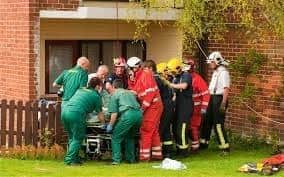
A spokesman for LFRS said: “Lancashire Fire and Rescue Service responds to bariatric incidents following a request for assistance from North West Ambulance Service. These incidents can often be complex and require additional equipment, and our firefighters are equipped with specialist training, equipment and safe systems of work to reach a successful outcome.
We work closely with paramedics to provide support when specialist assistance is required to move or extricate someone safely. Our priority is always to minimise risk to everyone, maintain the dignity of the person, and ensure a coordinated and effective response.
While bariatric rescues represent a small proportion of our overall activity, we continue to review trends, invest in equipment and training, and adapt our capability so we can meet the needs of our communities both now and in the future.”
London Fire Brigade have responded to the most bariatric rescues overall since 2020 (2,025), costing the service over £1M (£1,033,295) in resources.

Crystal Wyllie, doctor at ZAVA, said: “Obesity is an epidemic across the world, but within the UK, we can see a natural impact that bariatric care has not only on the NHS, but also on other public services such as fire and rescue services.
“First responders have to deal with a tremendous amount of stress on a day-to-day basis, but adding difficult callouts for bariatric patients risks their health and safety when manual handling pushes the physical limits of responders.
“So tackling obesity is key here to reduce strain on our public services. This decrease in bariatric incidents is a light at the end of the tunnel, and with the millions of Brits choosing weight loss management techniques, including weight loss injections, we can expect to see a further decrease in these risky rescues in the years to come.”
Support your Lancashire Post and become a subscriber today. Enjoy unlimited access to local news, the latest football stories and new puzzles every day. With a digital subscription, you can see fewer ads, enjoy faster load times, and get access to exclusive newsletters and content. Click here to subscribe.