
The shocking lung cancer stats for Lancastrians - and the signs to look out for
Breathlessness, coughing up blood, ongoing tiredness, or a cough lasting more than three weeks are all warning signs of lung cancer, while unexplained weight loss, and aches and pains can also be symptoms to look out for.
Did you know that you are 13 per cent more likely to contract lung cancer in Lancashire?
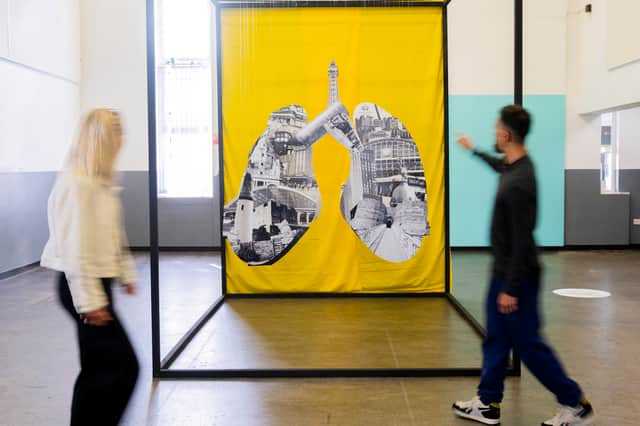
North West Cancer Research has unveiled a pair of giant lungs made up of iconic North West landmarks this week to highlight the shocking number of people affected by lung cancer across the region.
Lung cancer is 13 per cent more common in Lancashire when compared with the rest of England, and 25 per cent more common in the North West, according to new figures from North West Cancer Research.
These stark figures are behind the latest campaign from the charity. In Plain Sight highlights the most common symptoms of the condition which can often go ignored or, in some cases, mistaken for something less serious.
Breathlessness, coughing up blood, ongoing tiredness, or a cough lasting more than three weeks are all warning signs of lung cancer, while unexplained weight loss, and aches and pains can also be symptoms to look out for.
As part of the campaign launch, North West Cancer Research created a nine-foot-tall installation featuring a pair of lungs at a community centre in Hulme, with local people invited to come along and find out more. At first glance, they look like an ordinary set of lungs and trachea. But upon closer inspection, it is possible to spot iconic landmarks from across the North West, from The Blackpool Tower to Liverpool Lime Street and Manchester’s Beetham Tower.
Supporting the campaign’s important message is Chris Jones, from Hoylake, who was diagnosed with lung cancer in 2025, after first going to her GP with a persistent dry cough and unexplained weight loss. Mum-of-three Chris, 68, said: “Looking back, I’d had symptoms for a little while but put them down to something else – I had just returned from holiday in Italy and had picked up Covid so, when my cough didn’t go away, I just assumed it was the virus lingering in my system.
“It wasn’t until I started losing weight without even trying and feeling a lot more tired that I thought something wasn’t right. I also noticed a crackly sound in my chest when I was getting into bed at night.
“Being told I had lung cancer was horrific but, I wasn’t really surprised as I had started to prepare myself for the worst. I am now stage 3 and having ongoing treatment to manage the condition; however, I am so glad I finally went to my GP when I did as it could have been a very different story if I hadn’t.”

Two types
There are two main types of lung cancer, each requiring different treatment: non-small-cell lung cancer, the most common type, accounting for more than 80 per cent of cases; and small-cell lung cancer, which is less common but typically spreads more rapidly.
Dr Serena Chee, Consultant Respiratory Physician at the Liverpool Heart and Chest Hospital, said: “Knowing the warning signs of lung cancer and acting on them early can make a real difference. A persistent or changing cough, unexplained breathlessness, chest pain, coughing up blood or unexplained weight loss should not be ignored.
“Of course, these symptoms can have many causes, but getting them checked promptly gives us the best opportunity to diagnose lung cancer earlier, when treatment can be more effective and outcomes can be better.”
Working across the region, North West Cancer Research is dedicated to tackling the cause, improving the treatment and finding the cure for cancer, with this latest campaign playing an integral role on its journey to a cancer-free future.
Alastair Richards, CEO of North West Cancer Research, said: “We know that raising awareness of symptoms of any cancer can increase early detection and, ultimately, save lives. With lung cancer being 25 per cent more prevalent in the North West, and 13 per cent in Lancashire, it’s more important than ever for local people to know what to look for as, sometimes, symptoms can go unnoticed and can really hide ‘in plain sight’.
“Our goal is to help create a world where future generations do not have to be given the devastating news that they have cancer and, through research projects and educational campaigns, I am confident we will get there. “But, until then, it’s essential that we look out for the symptoms and get to the doctor with any concerns, as it could save your life.”