

A new Local Youth Opportunity Index has been published by The Institute for Public Policy Research (IPPR) and it reveals a six-fold divide in the availability of suitable jobs for young people depending on where they live.
The new analysis, which measures the number of suitable online vacancies relative to the number of 18 to 24-year olds in a local labour market, found that there is around one suitable vacancy for every 22 young people in places like Rotherham, compared with one for every four young people in the Cotswolds*.
In Lancashire, the average parliamentary constituency had one suitable vacancy for every 10.94 young person between July 2025-June 2026, which is worse than the national average of 9.02.
The think tank IPPR warns that Britain cannot solve its NEET crisis without creating opportunities in the places that lack them.
Henry Parkes, principal economist at IPPR, said: “Too much of the debate about youth unemployment starts from the assumption that the problem lies with the young person. Our local data shows just how wrong that is. There is a more than six-fold gap in the availability of suitable vacancies depending on where you live.
“You cannot solve a shortage of opportunity simply by asking young people to search harder. We need to create the first rung of the employment ladder in places where it is missing – and rebuild apprenticeships so that every sector is playing its part in giving the next generation a route into good work.”
Taking a deeper dive into the situation in Lancashire, we have ranked all the parliamentary consituencies across our county according to how many young people there are for every job vacancy.
The following gallery goes in ascending order, meaning the areas where it is hardest for a young people to get a job are near the end.
* The IPPR used ONS statistics on online job adverts by local authority, broken down by Standard Occupational Classification (SOC), covering July 2025 to June 2026. They define “suitable” vacancies as occupations likely to offer entry-level opportunities, based on relatively low entry and experience requirements. Quarterly vacancy estimates are then expressed relative to the number of 18–24-year-olds in each local authority, using the latest available mid-2025 population estimates.
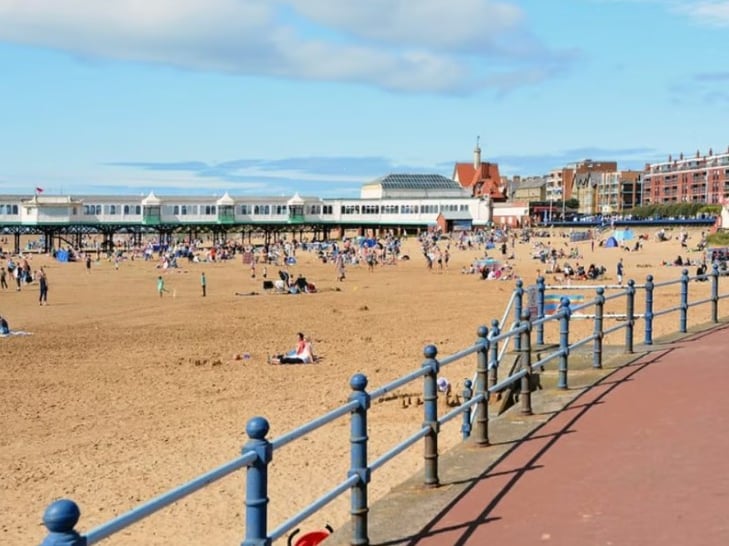
1. Fylde (14)
There were 7.02 young people (ages 18-24) for every vacancy over the past 12 months in Fylde, which is better than the national average | archive
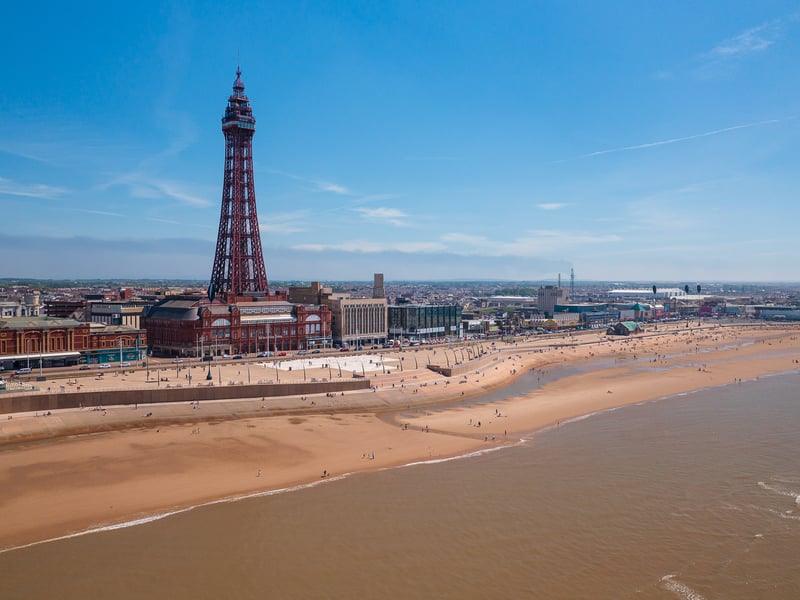
2. Blackpool South (13)
There were 7.41 young people (ages 18-24) for every vacancy over the past 12 months in Blackpool South, which is better than the national average | submit
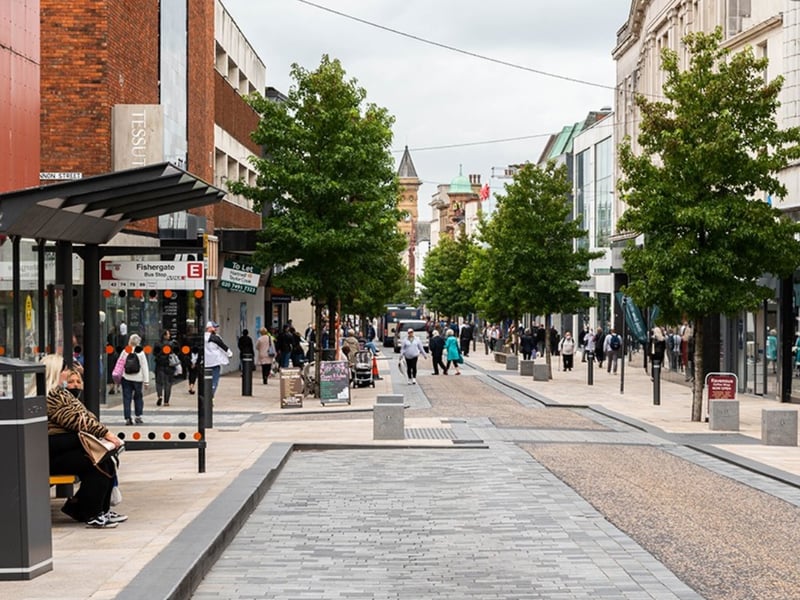
3. Preston (12)
There were 7.67 young people (ages 18-24) for every vacancy over the past 12 months in Preston, which is better than the national average | Google Maps
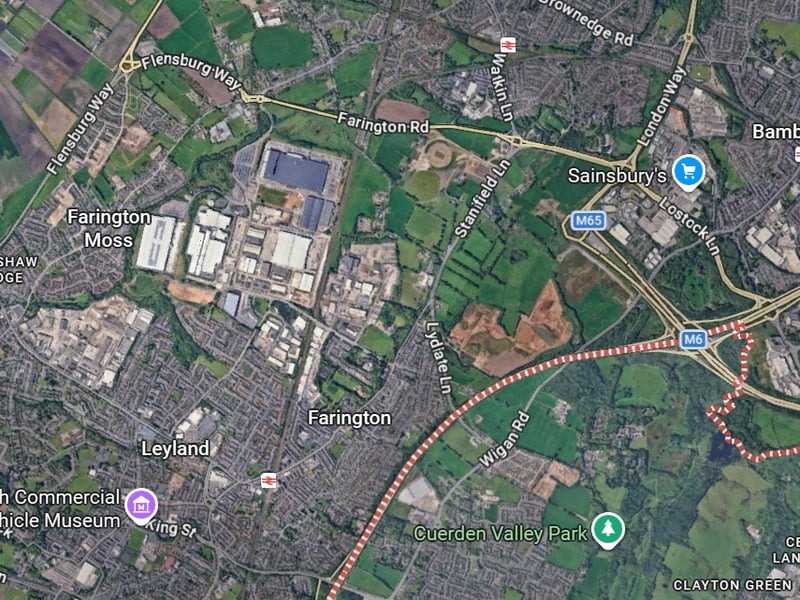
4. South Ribble (11)
There were 7.72 young people (ages 18-24) for every vacancy over the past 12 months in South Ribbe, which is better than the national average | Google Maps