
Royal Preston Hospital reduces number of beds as part of 'reconfiguration programme'

The hospital has been reconfiguring its bed base across acute medicine and urgent and emergency care...
Royal Preston Hospital has axed 11 beds from one of its busiest wards.
The beds have been removed from ward 23 on the fifth floor and more could follow, as Lancashire Teaching Hospitals “reconfigures its bed base” in response to changing needs and pressures.
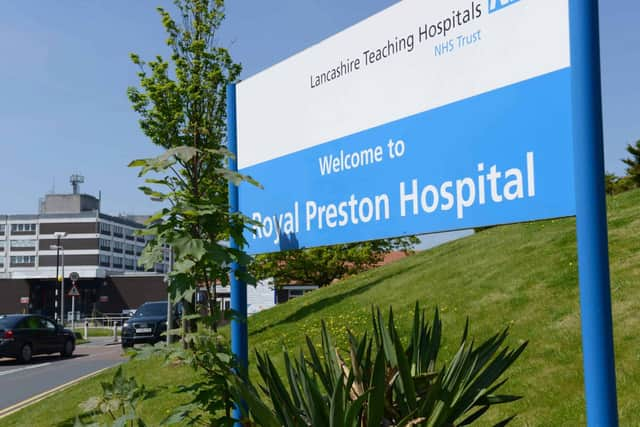

The Trust said any further closures would be subject to acute medicine, frailty, discharge and community pathway schemes being mobilised as part of the Trust’s overall medicine and urgent and emergency care reconfiguration programmes.
Get breaking news, updates and top stories direct on WhatsApp
It’s not unusual for hospitals to open, close and reopen beds due to changing demands across treatment and services. Some beds might close in one area, but more may open in another.
A Lancashire Teaching Hospitals spokesperson said: “Since January 2026, the Trust has been reconfiguring its bed base across acute medicine and urgent and emergency care pathways to improve flow, reduce length of stay and ensure that patients receive the right care, at the right time, in the right place.
“As part of this work, Royal Preston Hospital has recently introduced an Extended Emergency Medicine Ambulatory Care service.
“In the coming weeks, a new acute medicine model will also be implemented to further support patient experience, treatment and flow.”
What is Extended Emergency Medicine Ambulatory Care?
Extended Emergency Medicine Ambulatory Care service (EEMAC) is a relatively new NHS model of care designed for patients who need a longer period of assessment and treatment than can typically be provided within four hours, but who don't require admission to a hospital ward.
Instead of remaining in the busy Emergency Department, patients can be cared for in a dedicated, more comfortable environment, where Emergency Medicine specialists can continue their assessment and treatment, with the aim of getting them safely home the same day.