
Update on building where Preston's Great Times Chinese restaurant was based
A near century-old Preston building that used to house one of the city’s most popular Chinese restaurants has been given special protection.
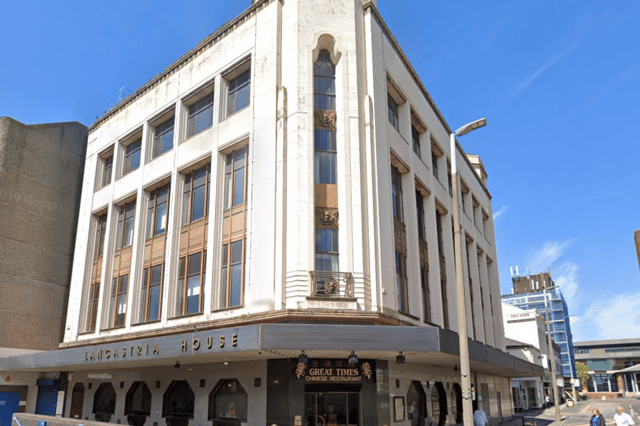
Lancastria House, on Lancaster Road – home to the Great Times eatery until its closure in 2015 – has become part of the Market Place Conservation Area.
It comes after Preston City Council’s cabinet approved minor alterations to the boundaries of the zone, which includes some of the city’s finest architecture – such as the Harris Museum, Sessions House and the former Post Office.

Conservation areas – of which there are 11 in Preston – are places whose historical character or appearance is deemed “desirable to preserve or enhance”. The impact of proposals for new development in or around such locations has to be factored into determining planning applications.
Lancastria House is an art deco building, dating back to the 1930s, which was originally set to be demolished as part of the neighbouring Animate cinema and leisure development.
However, the unlisted four-storey structure – constructed as a show piece of the Lancastria Co-operative Society – was later removed from the plans in 2019.. Great Times occupied the ground floor for almost a quarter of a century from 1991.
A review of the Market Place Conservation Area – which includes the Flag Market, Earl Street, Orchard Street, parts of Friargate and much of Lancaster Road – recommended redrawing the borders to incorporate Lancastria House, whose future use is uncertain.
It noted that while the building is “slightly out of context” with the Victorian and Edwardian designs which characterise the broader zone, it still contributed to the appearance and setting of the conservation area. It was also considered to provide “a contrast” to the more modern architecture which now lies next to it – and to act as “a focal point” along Lancaster Road.
“The building demonstrates the architectural evolution of the commercial buildings in Preston and the continued commercial presence of Market Place,” a report presented to cabinet members stated.
The latest periodic appraisal of the conservation area – undertaken to ensure all parts of it are still of special interest – also saw some buildings removed from its protective umbrella.
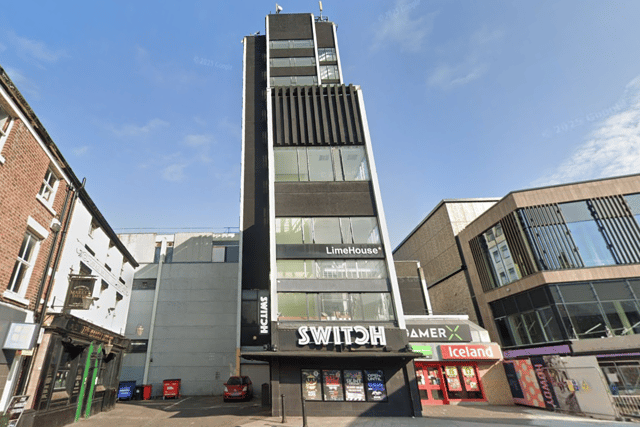
The 1970s-built Limehouse apartment block at the junction of Lowthian Street and Market Street – whose ground floor used to be occupied by the Switch nightclub – has been taken out.
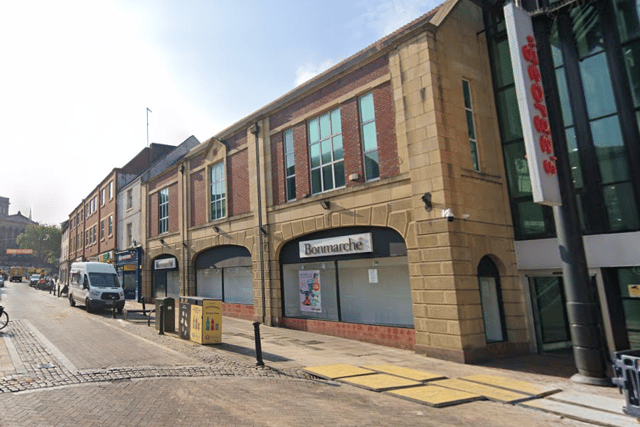
Also removed by a slight redrawing of the boundaries are the vacant retail units on Friargate that used to house the Bonmarche clothes store. Built on a row of earlier buildings, they were deemed not to have any “notable historic significance”.
There were just four responses to a public consultation held earlier this year into the review, all of which were in favour of the changes, with one also calling for the inclusion of the Guild Hall, which was – and remains – just outside of the protected area.
The report detailing the outcome of the appraisal raised concern over the number of empty buildings in the conservation zone, describing it as “a major problem”.
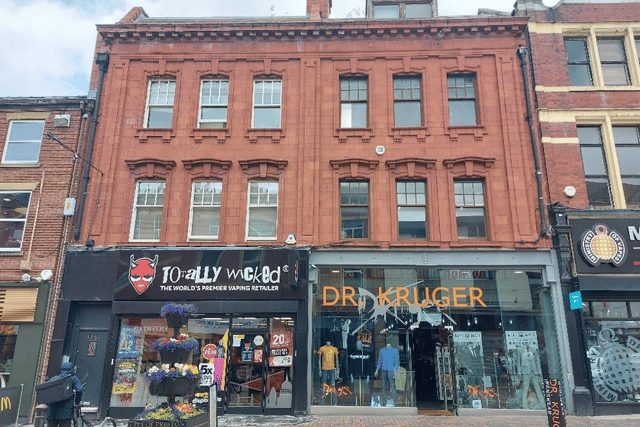
It also criticised the “visual disconnection” between some of the shopfronts on Friargate and the historical buildings within which they sit, highlighting issues such “overly large” signage and glazed surfaces, along with common fascias, which “reduce the individuality” of the different properties.
Cllr Amber Afzal, the city council’s cabinet member for planning and regulation, told the Lancashire Post that the boundary changes “will benefit the area, adding further protection to key heritage buildings in the vicinity such as Lancastria House, in an area which is of special architectural and historical interest for Preston”.
.
.