
Mega-HMO plan for Preston hotel rejected for all these reasons
xxx
A bid to turn an "unviable" hotel in Preston city centre into a 25-bed house share has been refused - because of the impact it would have on the surrounding area and its future occupants.
Preston City Council planners rejected the proposed revamp of the Ashwood Hotel, on Fishergate Hill, to create a house in multiple occupation (HMO).
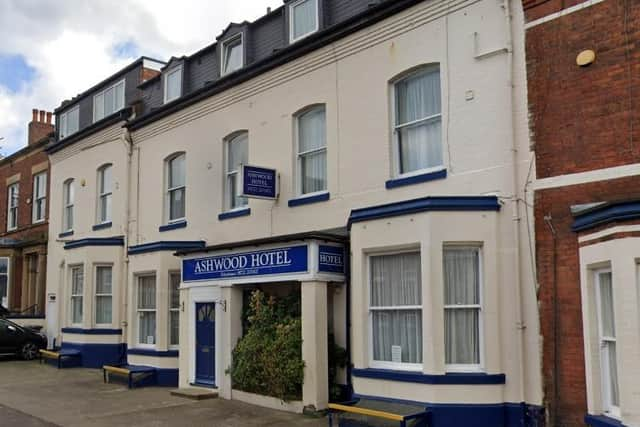

An application submitted to the town hall in September suggested that the business - also known as Ashwood House - had been hit by a double-whammy in recent years which had left it commercially unsustainable.
A “decline in occupancy” as a result of “changing market conditions… and shifts in local tourism patterns” had struck the first blow.
The second came from a collapse in demand from the city council itself for homeless accommodation, which had become the hotel’s primary use of late. The authority has recently opened dedicated facilities elsewhere in the city centre.
However, planning officials concluded that the proposed HMO conversion fell foul of the two of the seven criteria by which such developments are judged under local planning policy.
They found that it would be harmful to those living in neighbouring properties and to the character of the area, while also failing to provide sufficient outdoor space for the HMO’s residents.
Meanwhile, they also noted the “particularly high concentration” of HMOs within the city centre ward , where there are more than 300 such properties - including elsewhere on Fishergate Hill.
HMO clusters are “associated with cumulative impacts, [such as] increased noise and disturbance, pressure on parking and waste infrastructure, and effects on community balance and neighbourhood character”, a report setting out the decision to refuse the application concluded.
It added that the “adverse effects” of the proposal on the locality - particularly on “the balance and mix of housing” - were so severe that the plans should be rejected.
While it was acknowledged that the building’s current use as a hotel could give rise to “comings and goings throughout the day”, it was judged that these would be significantly intensified by the switch to an HMO.
“This form of occupation is typically characterised by a higher number of unrelated occupants, who live permanently within the property, with…greater levels of general activity, particularly during evenings and weekends,” the document said.
“Twenty-five residents/households living independently from one another would result in an unacceptable level of disturbance as a result of the number of comings and goings at all hours of the day and night - and within the internal elements of the property.”
The proposal would lead to “increased noise [and] disturbance” - including for those living in the HMO, the authority said.
While a forthcoming policy to severely restrict new HMOs within Preston a part of the new Central Lancashire Local Plan could only be given “limited weight” - because it has not yet been adopted - existing policy was deemed sufficient to reject the planned conversion.