
Lancashire to make £20m government cash bid that 'plays to its strengths'
Lancashire will attempt to secure up to £20m from a government cash pot by capitalising on the county’s defence capabilities.
The bid – for an allocation from the Local Innovation Partnership Fund (LIPF) – will stress Lancashire’s strengths as a cluster area for industries focused on security and “critical national infrastructure”. It will also highlight so-called “cross-cutting” opportunities in the advanced manufacturing, engineering and cyber resilience sectors
The Lancashire Combined County Authority (LCCA) devolution body will oversee the process and UK Research and Innovation (UKRI) – the organisation that will decide whether bids from across the country succeed or fail – wants local areas to demonstrate that their plans are based on a collaboration between universities, industry and local and national government.
To that end, the LCCA has established a steering group via the Lancashire Innovation Board to lead the bid preparation, including representatives from all five universities with a footprint in the county, major businesses such as BAE Systems and the Westinghouse nuclear power firm near Preston and small and medium sized supply-chain companies.
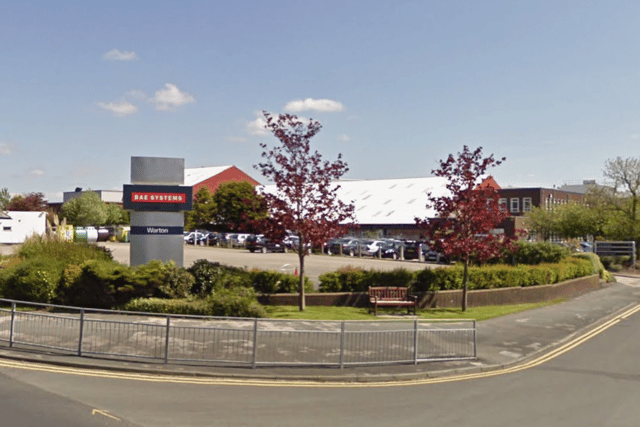
The proposal will present the BAE sites at Samlesbury and Warton as centres of advanced tech and aerospace, respectively, Hillhouse in Thornton-Cleveleys as a cluster for advanced materials, Blackpool as a focus for energy and sustainable computing and Blackburn with Darwen as a leader in manufacturing and cyber skills.

At a meeting of the LCCA shortly before Christmas, Blackburn with Darwen Council leader Phil Riley said the pitch to the LIPF would help to “turn some of the things that we do [within the combined authority] into some kind of reality”.
He added: “It plays to Lancashire’s strengths – so it just feels like exactly the right thing that we should be getting started with.”
A total of £500m is available from the fund nationwide, but £360m of it has already been earmarked as uncontested ‘direct awards’ that will be made to mayor-led combined authorities, leaving areas like Lancashire to make a case for a share of the remaining £140m.
Expressions of interest in the LIPF have to be lodged by mid-February and completed bids – if prior hurdles are cleared – by late June.
The aim in each area is for universities to drive research and the development of talent, industry to accelerate commercialisation of opportunities and the government to provide funding and strategic oversight.