
Delays in Lancashire social care assessments due to staff being 'rarer than rocking horse dung'
More than 2,500 vulnerable Lancashire residents had to wait more than four weeks for an assessment of the support they need to continue living safely in their own homes.
The statistic, which covers the final three months of last year, relates to people waiting for initial or follow-up appointments, as well as those on the list to be seen by an occupational therapist.
A total of 2,697 individuals were not assessed for at least 28 days, according to Lancashire County Council’s latest corporate performance report. The figure excludes any such waits in the Blackpool and Blackburn with Darwen council areas.
County Hall cabinet member for adult social care Graham Gooch said the delays could be attributed, in part, to a lack of occupational therapists - which he described as “rarer than rocking horse dung”.
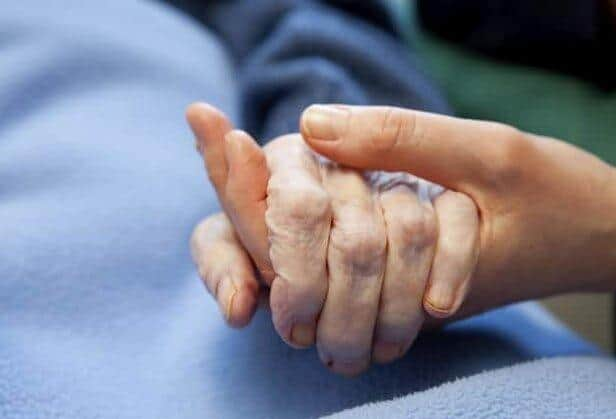

However, he stressed those waiting for assessment were “not forgotten”.
“We don't just say, ‘Right, you're on the list’ - and then leave them; we keep in touch,” the Conservative politician told a recent cabinet meeting of the authority.
Deputy Labour opposition group leader Jennifer Mein acknowledged the efforts being made to maintain contact with those on the waiting list, but added: “It would be a lot better if they were actually assessed and in receipt of our services.”
County Cllr Gooch said the county council was “doing as much as we can” to recruit occupational therapists - and also wanted to be able to train more people in-house to fill the roles.
He said the shortage was being exacerbated by the “tug of love” between local authorities and the NHS over who managed to secure the in-demand professionals.
“They are extremely useful to us for reablement - [to support] people coming out of hospital [and] to get them on their feet, so they can live independently,” he added.
County council leader Phillippa Williamson said the dearth of occupational therapists was national - not a “Lancashire-specific” - problem.
The performance report revealed the authority was exceeding a target for 90 percent of people eligible for support under the Care Act to be discharged back to their own home or usual place of residence after a spell in hospital - achieving 92.4 percent on that measure during the third quarter of 2024/25.