

Business Insider’s annual Rich List identified £45.6 billion of wealth shared between our region’s 50 most affluent individuals and families - up almost 9% on the previous year.
Whilst you will find familiar names in these rankings - such as Mohsin and Zuber Issa, the petrol retailing brothers who took control of Asda, or Fred and Peter Done, another pair of famous billionaire brothers, best known for their BetFred gambling empire - often it’s the new entries and lesser-known entrepreneurs and business leaders who are the most intriguing.
One debutant on the full list is the McMahon family who, ten years ago, bought Heinz’s 11-acre babymilk factory in Kendal for just £1, and now have a fast-growing infant nutrition venture.
Our region has also become home to a number of companies profiting from the boom in vaping. E-cigarettes have proven to be a divisive topic to many - and a sizable business opportunity for Phil Boyle and Mubarak Patel who oth appear in this year’s rankings.
Gone are the days when Rich Lists are dominated by finance, industry or property. Fortunes are now being made in more diverse and surprising ways. There’s some inspiration for ambitious entrepreneurs, whatever type of business they’re growing.
Although the entire list features 50 names, we have outlined just the 25 richest people in the North West for you below...
How the list was created
This list features entrepreneurs or business leaders who are either working in a company they either started themselves or inherited. Business Insider also include those still living in the area who have recently sold their main businesses but retain interests in other ventures.
Business Insider valued stakes in quoted companies in July 2025. Private companies were valued according to the ratios in their sectors or more generally where a sector rating was not evident, at around ten times their latest profit figures, which in many cases is more conservative than stock market ratings.
They deducted appropriate sums from dividends and company sales to reflect tax unless they were certain someone is not domiciled in the UK for tax.

1. North West Business Insider Rich List
Take a look at the 25 richest people in the North West as the North West Business Insider Rich List is revealed | various
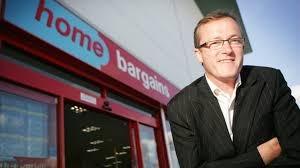
2. Tom Morris and family (2025: £5.671bn, 2024: £5.170bn)
Retail: Low-cost retail Morris’s discount retailing empire has had its best ever year. There were record profits of £454.8m last year and turnover topped £4bn for the first time. One of seven sons of a Liverpool shopkeeper, Morris’s entrepreneurial career began at the age of 21 when he opened what was initially called Home and Bargains in the city’s Old Swan district. There are now 617 Home Bargains stores in his chain and plans for as many as 1,000. Rivals attribute his success to a relentless quest for efficiency that bears down on costs, allowing him to offer customers the cheapest of prices. He apparently doesn’t bother with employing a PA and drives an aging Volkswagen Golf. Home Bargains should be worth around £5.5bn. Two property companies and other wealth outside the company adds another £171m. | The Sunday Times Photo: The Sunday Times

3. Mohsin Issa (2025: £4.030bn, 2024: £2.725bn)
Retail: Petrol retailing Mohsin Issa and his younger brother Zuber stand to make a fortune from driving their petrol station group onto the New York stock exchange. The listing could value Bolton-based EG Group at as much as £13 billion and will be made under the name Cumberland Farms - a US company acquired by the Issas six years ago. Mohsin is now a non-executive director of EG Group. The brothers started their forecourt empire from a single £150,000 site in Bury. Mohsin still owns a quarter of EG Group - a stake worth at least £2.5bn ahead of the float. He also owns 22.5% of the supermarket ASDA, a holding valued at £1.53bn by the 2021 takeover. | Lorne Campbell / Guzelian
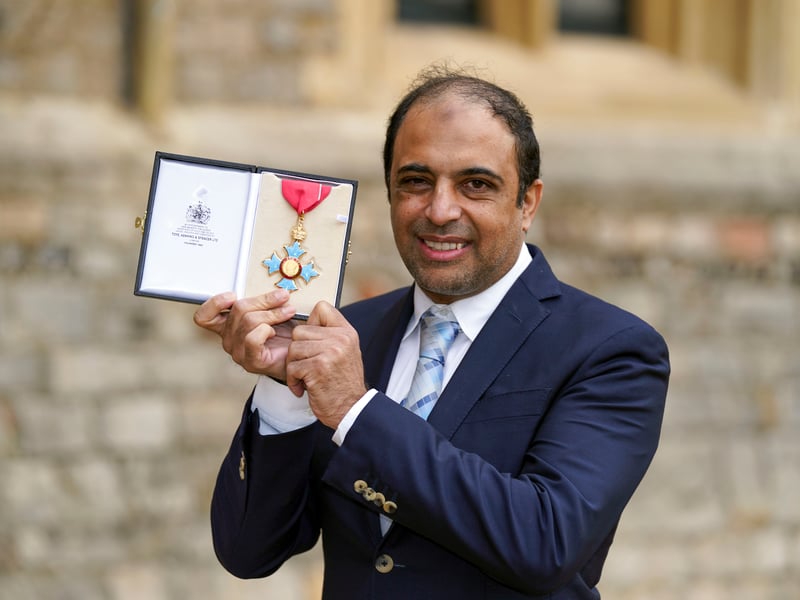
4. Zuber Issa (2025: £3.724bn, 2024: £2.725bn)
Retail: Petrol retailing The younger of the Issa brothers is pumping millions of pounds into the revival of the Duckhams oil brand. An iconic name in British motorsport for decades, Duckhams was long associated with Formula One legends including Nigel Mansell and Ayrton Senna. BP retired the brand more than 20 years ago. Issa built his fortune with his sibling Mohsin at their petrol retailing juggernaut EG Group. There are plans for a US stockmarket float valuing the business at up to £13bn. Zuber owns about a quarter of the shares. We value that stake at £2.5bn until the float takes place. The younger Issa has sold his 22.5% stake in Asda, the supermarket. Tax on the proceeds of that sale explains why Zuber appears below his older brother in this list. He does also owns and run EG On the Move. | Getty Images