


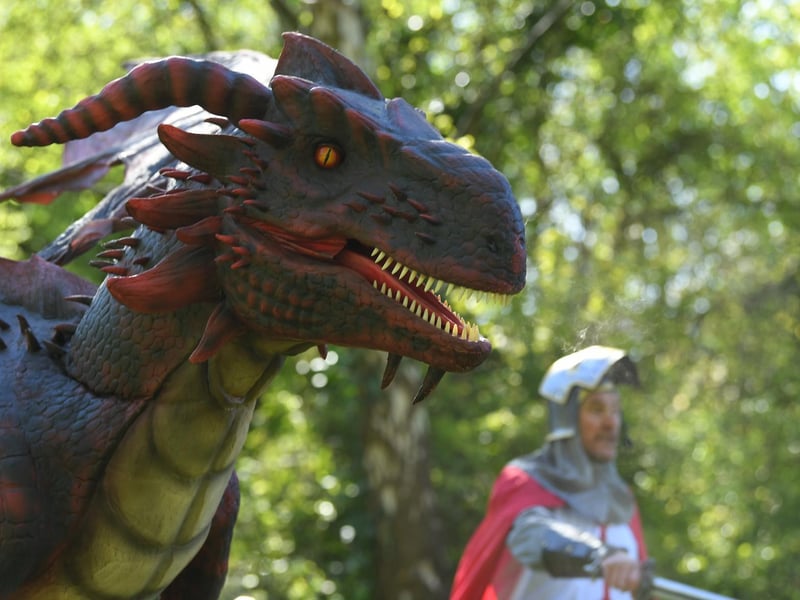
Think of St George and you're probably picturing a heroic knight slaying a ferocious, fire-breathing dragon.
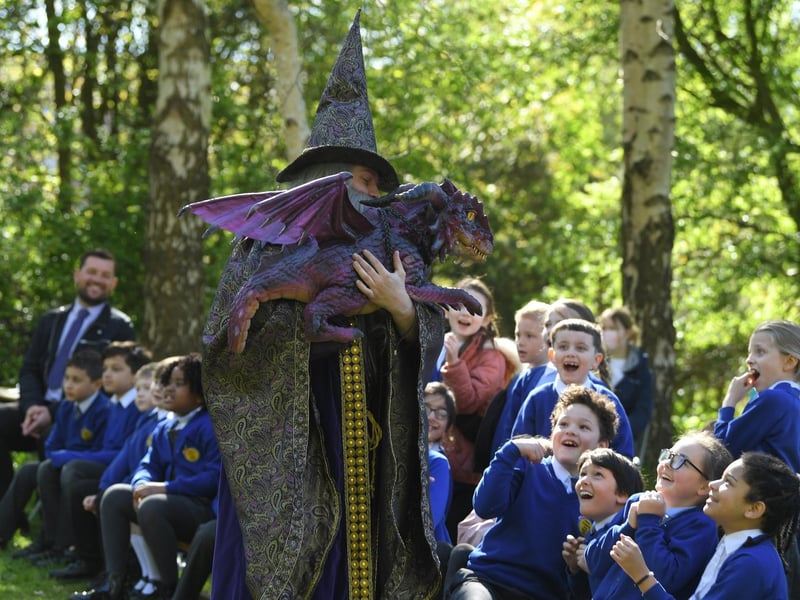
Today (April 23), pupils at Eldon Primary School were treated to a live retelling of the legend.
If you want to find out more about what we celebrate St George's Day, and why it isn't a bank holiday, click HERE.
Thanks for reading. If you value what we do and are able to support us, a digital subscription is just £1 per month for the first two months. Try us today by clicking here.

5.
St George’s Day has been observed in England since the early 15th century, and at that time was considered as important as Christmas. While it has lessened in significance, it is still celebrated by many, with activities such as traditional morris dancing, Punch and Judy shows, flying the English flag, and singing the hymn ‘Jerusalem’.
6.
The story goes that St George rode into Silene (modern day Libya) to free the city from a dragon who had a taste for humans, but it’s a story which post-dates the real George by several centuries.

7.
The story goes that a knight named Sir George was travelling the land and came across a town that was being terrorised by a dragon. The inhabitants told him that a young maiden had to be sacrificed to the dragon every day, or the beast would destroy the entire town.
8.
Each day, the next poor girl was chosen by a lottery. That very morning, the King’s own daughter’s name had been called. On hearing this, Sir George vowed to save the princess and slay the dragon.