
‘I wasn’t living – I was just surviving’: Lancashire's Dr Zoe Williams opens up about health scare

A This Morning star from Lancashire has revealed how a recent health scare changed her life...
A Lancashire TV personality has opened up about how a medical emergency transformed her outlook on life.
Burnley born presenter Dr Zoe Williams faced a health scare in 2023 where her heart went into an “abnormal rhythm” of 300 beats a minute.
In a new interview with PA this week, the This Morning resident doctor revealed that she made the decision to try to remove stress from her life in the aftermath.
Explaining what happened, the 46-year-old said: “I was on a weekend trip with some friends before ending up in A&E in Spain for a night.
“They almost had to put the paddles on my chest and defibrillate to try and put my heart back into a normal rhythm.
“I did quiz them about why it happened, but was reassured that there is no specific cause.”
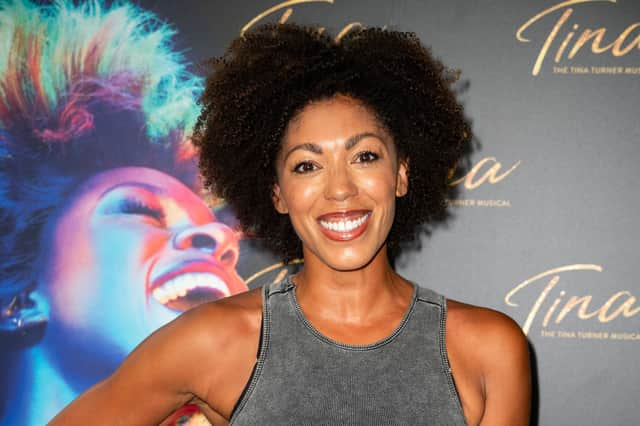

Dr Williams, who also starred in the Sky 1 show Gladiators as Amazon between 2008 and 2009, revealed the incident made her realise she couldn’t afford to be stressed anymore.
She admitted: “At that time, my nervous system was so dysregulated – not because I was stressed by anything bad. I had the life I wanted and even though it wasn’t negative stress, it was still very stressful,” she admits.
“I’ve often got demands coming from different places and even though I created this life I liked, I wasn’t really living it – I was just surviving it, I was just about coping.”
Hampshire-based Williams says since then, everything has been a real transition for her- “I’m now much more in touch with my body and I understand the feelings, signs and symptoms of when I’m starting to feel stressed and I know what to do.”
As part of this, the Burnley star shared how her journey with fitness has changed dramatically in recent years, following a severe spinal stenosis diagnosis and back surgery in February of this year to remove overgrown ligaments and bone.
She explained: “When I was younger – in my 20s and 30s – I loved playing rugby, team sports, lifting heavy weights and running. I would love to work out to the point of exhaustion and the feeling it gave me,” she says.
“After my back surgery and in the two years leading up to it, it was really challenging for me to train and exercise in the way I wanted to”.
The GP later admitted that the two years before her surgery were the hardest time for her wellbeing.
She said: “I couldn’t express myself and being constantly in pain every day is tiring. It makes everything harder. You’re more irritable and you’ve got less energy.
“There were periods within that where I couldn’t do much at all and for the first time in my life, this muscle that I’ve always taken for granted – I was losing it. So I’ve seen with my own body that maintaining strength as we get older is more difficult, but really crucial.”
Williams says she spent time prepping herself for surgery – both physically and mentally.
“I tried to prepare my body by getting as strong as I could, so I was really focusing on muscle strengthening and I had a new motivation to really push myself in the gym,” she says.
“The most important thing I did was prepare my brain and mindset.”
“I did a lot of gratitude work and when I was in pain after my surgery, I was so happy about the pain because it was different to what I had had previously for two years.”
She continues: “I had gratitude about the fact that I had a warm, comfortable home, a partner who was looking after me, painkillers, access to medical health and support which a lot of people around the world don’t have.”
“Instead of feeling guilty about not being able to do stuff around the house, I realised the world is not going to change if for a few weeks I can’t do things for other people.”
Drawing on her own experience, Williams also shared some of the everyday habits she believes can improve wellbeing.
First up, she suggests focusing on your muscles, which she says are important for every aspect of health.
The TV doctor explained: “In terms of looking after our brains and our bodies, resistance training is probably the most important thing that I do.
“In order to keep our bodies strong and healthy, we need to exercise. If we give our muscles the right nourishment and the right type of exercise, they’ll grow, thrive and be healthy. I think we can extrapolate that to other areas of our life as well.”
Williams then suggested other simple ways people can reset their nervous system and overall happiness.
“One of the best things you can do is eat all your meals – breakfast, lunch and dinner – every day without fail and as close to the same time as possible,” she explains.
“Make sure your plate has complex carbohydrates, a good healthy protein source and loads of vegetables.
“Getting early morning sunlight is important, too. This helps regulate your body clock – it tells your body the day has started and helps regulate cortisol levels, serotonin levels and regulates melatonin levels in the evening.”
Williams added the quickest way to bring yourself out of fight or flight mode is with the breath- “I love the physiological sigh – where you breathe in fully through your nose and then take a short, sharp, further breath in through your nose and then breathe out through your mouth.”
Support your Lancashire Post and become a subscriber today. Enjoy unlimited access to local news, the latest football stories and new puzzles every day. With a digital subscription, you’ll see fewer ads, get faster load times, and access exclusive newsletters and content. Click here to subscribe.
Asked about the many wellbeing trends now floating about the internet, the Lancashire star highlighted one she does like- fibremaxxing, which is when you maximise the amount of fibre in your diet.
She explained: “I think it is a helpful trend. As long as people don’t take it to the extreme and do it safely.
“I think at least 95% of us are not consuming enough fibre for good health, so if the trend can get more people eating it, then that is great.”
Dr Williams also shared that ice baths are a trend she would stay clear of, adding: “They definitely have their place and benefits to certain people and those who have a regulated nervous system – there might be some benefits.
“But if you’re a woman in midlife, these hormones are declining and you’re all over the place – putting yourself in an ice bath is not going to help. In fact, it could make it a lot worse.”
Dr Zoe Williams, GP, has collaborated with Specsavers. To book a hearing or eye test, visit specsavers.co.uk.