
'We think we're the most advanced species, but bees show you we're not': Beekeepers buzz after honey show
Preston this week hosted the Lancashire and North West Honey Show - but Preston Beekeepers Association chair Liane says more must be done to protect our pollinators.
What has four wings, six legs, two antennae, and dances in the dark?
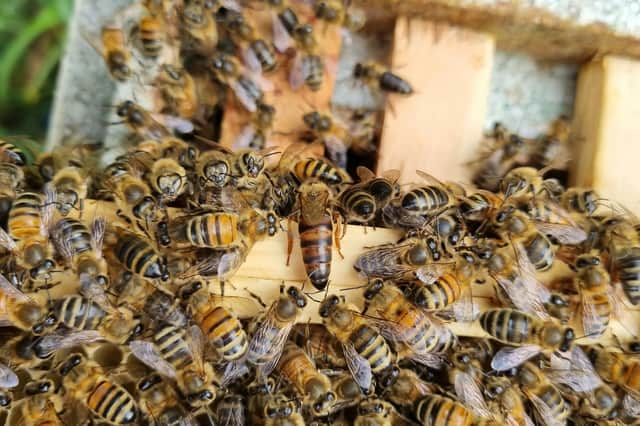

According to Liane Doree, it’s the “most advanced creature on Earth” - and a species she has been taking care of for nearly a decade.
Nine years since her husband gifted her a beekeeping course, Liane now stands as the chair of the Preston Beekeepers Association, and is still buzzing after winning a prize at the Lancashire and North West Beekeepers Honey Show held at Myerscough College on Sunday (October 4).
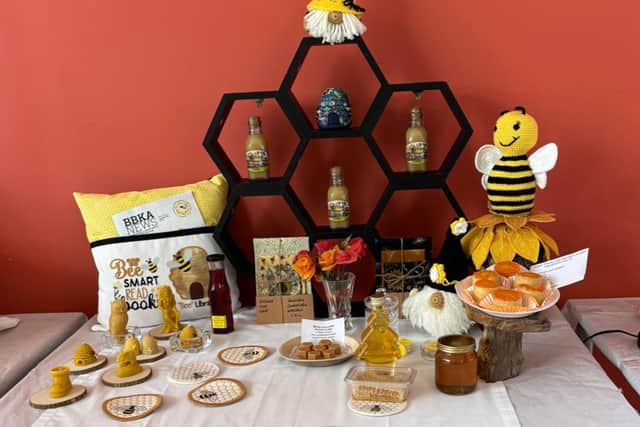
“It’s a bit more involved than just looking at you and judging your honey,” Liane told the Lancashire Evening Post.
“Honey comes in light, dark, and medium, and it’s judged in classes depending on the colour. The colour is determined by what your bees have been foraging on.
“They have classes for pieces of the frame, called ‘cut comb’, which you sometimes see in more delicatessen-like artisan farmers markets. They have classes for what’s called a ‘section’, where you give the bees a square and they build inside, and then that’s judged.
“But they also have classes for you-name-it made with honey, too.”
The “you-name-it” stage of honey competitions can quickly become fiercely competitive, and can include a variety of homemade products ranging from alcohol, vinegar, and even candles made of leftover wax.
The official competition notes even include an official honey cake recipe for contestants to follow and be rated on, “which you could try with supermarket honey,” Liane said, “but that probably isn’t honey at all.”
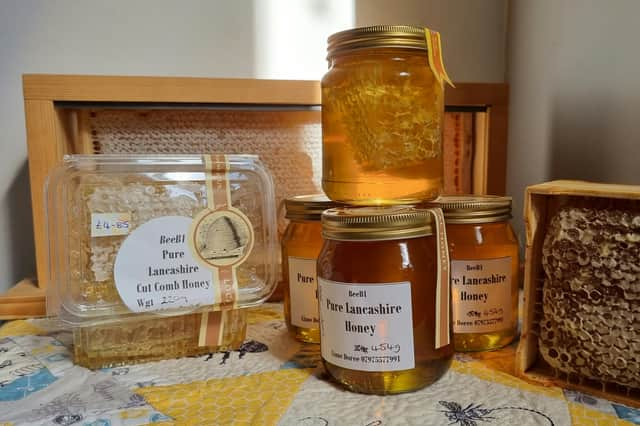
Honey is considered to be one of the most frequently-faked products available on supermarket shelves in the UK.
In 2023, an EU investigation into fraudulent products found that all ten British honey samples submitted failed authenticity tests.
They were said to have been adulterated with fake sugar syrup, and were also suspected of being imported from overseas, unbeknownst to consumers.
In 2024, the UK’s Honey Authenticity Network called for major industry reform after their own testing revealed 24 out of 25 supermarket honey samples were suspected of being fake. Th British Honey Importers and Packers Association agreed more should be done to protect supply chains.
It comes as the UK’s Joint Nature Conservation Committee (JNCC) found that 38 per cent of pollinator species (and 26 per cent of wild bees) had become ‘less widespread’ since the 1980s, while the number of beekeepers has risen over the past decade.
The majority of beekeepers live in suburban and rural areas, though the past ten years has seen a surprising number now working from rooftops in city centres, including from Preston’s very own St. George’s Shopping Centre.
While the reasons for species becoming less widespread also include the use of pesticides and weather changes, both Liane and the JNCC agreed that more demand for foraging habitats was causing problems across the board.
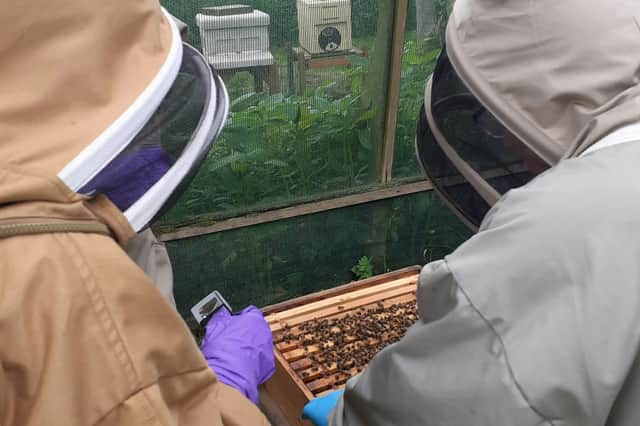
“What we have got in this country is about 260 species of bumblebee and solitary bee, and they’re the ones that are struggling in some cases because of the lack of habitat,” Liane said.
“Most beekeepers are aware of other bees and other pollinators, but the problem is that the honeybees will actually out-compete the other indigenous bumblebee population, because they’re all looking for the same forage.
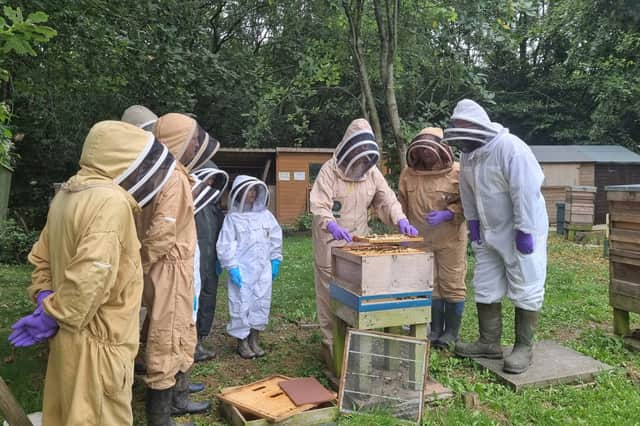
“I think beekeepers have to be a bit savvier about how many hives they have in any given area. If you’ve got a 60,000-strong hive of honeybees, and there’s a bumblebee colony of 250, you can see where the balance is going to fall.
“There’s got to be a balance, really.”
According to Liane, the best way the public can do their part to protect all bees is avoiding the use of AstroTurf and paved gardens, as well as growing more pollinator-friendly plants such as lavender, crocus, and sunflowers.
“They’re all after the same nectar-rich plants,” Liane said. “It’s a case of educating the public to make sure their gardens are full of pollinator-rich, pollinator-friendly plants.
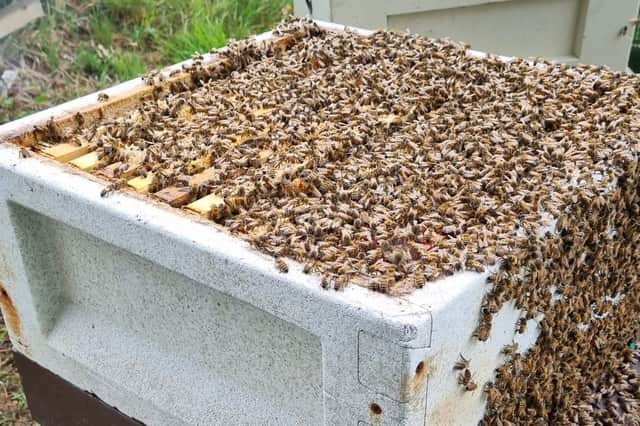
“They are such a well-evolved insect, the things they can do, you wouldn't believe.
"They can navigate by the sun, even when the sun's not evident in the sky, and when they go back to the hive, they tell the other bees where to go and get pollen by dancing on a frame that's completely in the dark and vertical.
"I think that's it for me. As homo-sapiens, we think that we're the most advanced creatures on this Earth. I just think bees show you that maybe we're not."
The Preston Beekeepers Association welcomes all bee enthusiasts whatever their skill level.
Their next beginner beekeeping course starts on February 10, with limited places.
There’s more information on their website.