
How to keep your dog safe and calm during Bonfire Night fireworks, according to a vet
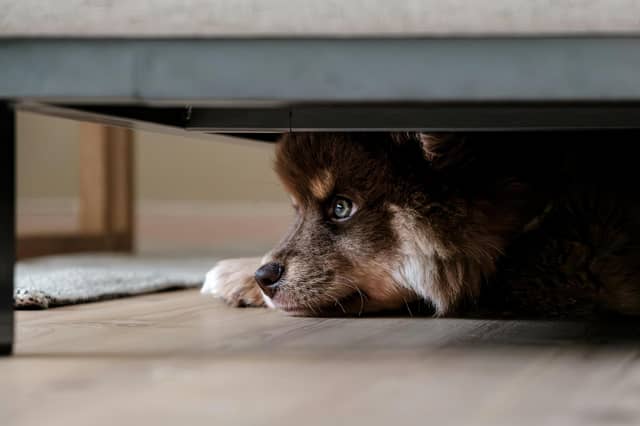

Bonfire Night can be a blast for humans but a nightmare of noise, stress and anxiety for dogs.
Bonfire Night - and the days surrounding it - will see people across the UK join family and friends to enjoy dazzling firework displays, crackling bonfires and traditional celebrations.
For dogs, however, the loud bangs and flashing lights can cause stress, anxiety, and even dangerous behaviour like trying to escape.
According to Dogs Trust, nearly half (49%) of dogs in the UK are estimated to be negatively affected by fireworks, while as many as four in five (80%) owners notice significant changes in their dog’s behaviour during displays.
With November 5th fast approaching, there are plenty of ways to help keep dogs safe and calm — especially if it’s a puppy’s first fireworks night — according to leading veterinarian and founder of VetMedi.co.uk, Dr Charlotte Inness MRCVS.
“Dogs have much more sensitive hearing than humans,” says Dr Inness. “While some dogs are comfortable with loud noises, others may find the sudden fizz of a firecracker overwhelming. Unlike thunder, which builds gradually, fireworks are sharp and unpredictable, so animals can’t anticipate or get used to the sound.
“Common signs of fear or anxiety include whining, barking, growling or crying, excessive panting, trembling, pacing, scratching at doors or furniture, or attempts to escape. If your dog shows these behaviours, it’s important to be prepared ahead of Bonfire Night.”
Keep them indoors and secure
Bring dogs inside well before the fireworks begin. Close all windows, curtains and doors to help block out flashes and muffle the noise.
Playing soft music, the TV or white noise can help create a calm background atmosphere. It’s also a good time to double-check that microchips and ID tags are up to date — just in case your pet bolts in fear.
Create a safe “den”
Set up a quiet, familiar room and make it as cozy as possible with blankets, bedding and your dog’s favourite toys. Let your pet retreat there if they choose, but don’t force them out.
An unwashed item of clothing that smells like you can offer extra reassurance. If you have a kennel or crate, move it into the quietest part of the house and drape a blanket over it to create a snug, enclosed space.
Prepare before the celebrations
A little planning earlier in the day can make the night much easier. Exercising your dog in advance helps them stay calm later on. Take them on a long walk, play games like hide and seek, practise tricks, or give them part of their meal in a frozen Kong or other toy. All of these activities help tire them out and leave them more settled when fireworks begin.
Stay calm and act normally
Pets often mirror human emotions. Remaining relaxed can help your dog feel safe and secure. Speak in a calm, steady voice and avoid over-comforting in a panicked tone.
Offering treats when fireworks go off can help build positive associations with loud noises. Rewarding calm behaviour earlier in the day also reinforces a sense of safety.
Try calming aids if needed
Pheromone diffusers or sprays — such as Adaptil for dogs — can help ease anxiety. Pressure wraps or anxiety vests like Thundershirt work well for some pets, while in more severe cases, your vet may recommend calming supplements or mild sedatives.
Dr Inness notes that any prescribed medication should always be tested in advance to make sure your pet tolerates it well.
For more information, visit: https://www.vetmedi.co.uk/blogs/pet-advice/