
Preston adults face shortage of NHS dentists - despite Lancashire making England's Top Ten for kids
Lancashire has the tenth-highest number of children with NHS dentists - but new patients in Preston still face a shortage.
Lancashire has among the highest rates of children using NHS dentists in England - but the Lancashire Evening Post has found that parents in Preston may struggle to join the list.
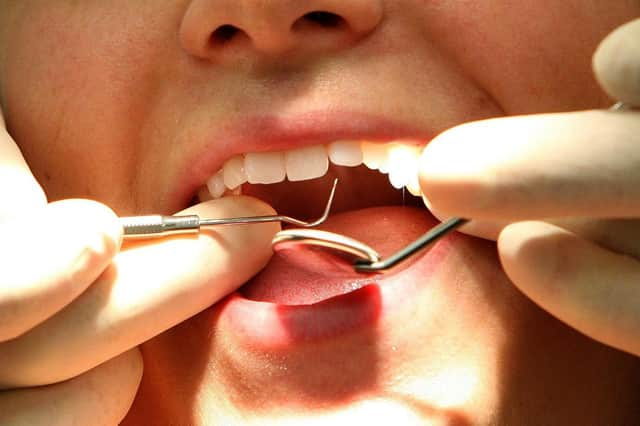

Analysis of NHS figures carried out by Single Mothers’ Resource found that nearly 11,000 (10,897) more children in Lancashire had appointments with NHS dentists compared to 12 months ago.
With 66.5 per cent of the county’s children on NHS dental lists, it puts Lancashire in tenth place in England - and 21.8 per cent higher than lowest-performing Somerset.
However, for parents in Preston, the Lancashire Evening Post has found that while the county enjoys one of the highest rates of NHS-registered children, it’s a figure that may be unlikely to increase any time soon.
Online dental directories - such as the NHS website and DentalChoices.org - list more than 30 NHS-contracted practices within five miles of the city centre.
However, the Post found that Longton Dental Practice and Clayton Brook Dental, in Clayton-le-Woods, are the only two dentists actively taking on patients under 17-years-old.
A third - Towngate Dental Practice in Leyland - also only accepts child NHS patients, but has a current waiting list of approximately a year, according to staff.
Meanwhile for adults, not a single dental practice out of the 31 asked by the Post were in a position to take on new NHS patients at this time.
The difficulties of finding affordable dental care in Preston offer only a small insight into a national shift towards private care.
According to Nuffield Health, more than 600 dental practices in England have withdrawn from NHS Dentistry since 2017, the majority based in the South West and East.
In those years, the number of NHS practices in Lancashire and Cumbria dropped by 8 per cent, from 188 to 173.
In 2025, the British Dental Association said that a major reason that so many dentists were leaving the NHS is because funding no longer covers the costs of performing procedures.
They estimated it would take a whopping £880 million to restore services to the way they were in 2010, with one member describing the current state of NHS Dentistry as “perverse”.
With an NHS dental appointment now costing a minimum of £27.90, and private prices starting at around £50 on average, critics now argue that dentistry has become “a two tiered service”.
"The retreat of NHS dentistry was never an announcement or a policy,” said Nuffield Health researcher Mark Dayan.
“There has been no closure programme for people to oppose. But it amounts to the quiet transformation of dentistry into a two-tier service over the last decade, where access increasingly depends on what people can afford to pay and where they happen to live.
“Either [the Government] makes NHS work attractive enough to turn this trend around and bring back enough practices to cover everyone, or it will need to give up on the promise of a universal service and prioritise those who need preventive care most, or do not have the money to pay privately.”