
Mammoth bike ride sets off in memory of much-loved former Penwortham Mayor Jim Patten
Jim was described as the 'heart and soul' of his community.
A mammoth cycle ride in memory of a much-missed Penwortham stalwart launches today.
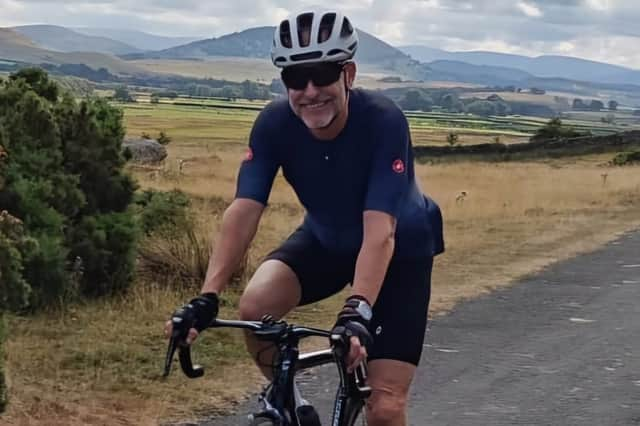
Rick Smith will travel to Luton to begin his 484-mile journey to Edinburgh over six days, hoping to raise thousands of pounds for Brain Tumour Research, following the death of best friend, Jim Patten.
Jim - who was a Penwortham councillor and former town mayor - died aged 63 in May from a Glioblastoma - an aggressive and fast growing tumour.
Rick’s route starts where Jim used to work for the NatWest, takes in his home in Preston, and terminates where he went to university.
He will be joined by friends from the cycling community for several legs, and will be met by friends and family - including Jim’s wife Helen and son Tom - at the finishing line.

Helen said she promised Jim before his death that she would raise awareness of brain tumours.
She said: “I’m so grateful to Rick for taking on this challenge. It’s so important that more people know about brain tumours and more work is done on research, as more and more people seem to be affected.
“Doing this also allows us to throw ourselves into something positive.”
Rick, who is already a keen cyclist, has been taking on extra training sessions so that he’s ready for 80-100 mile days.
He said: “When Jimmy was diagnosed, I started hatching a plan for when the time came. The route takes in places that were special to him, and to finish in Edinburgh and to be met by his friends and family will be very poignant.
“When I’m chugging along on my journey, I’ll be thinking about Jimmy and what he went though. What I’m doing won’t compare.”
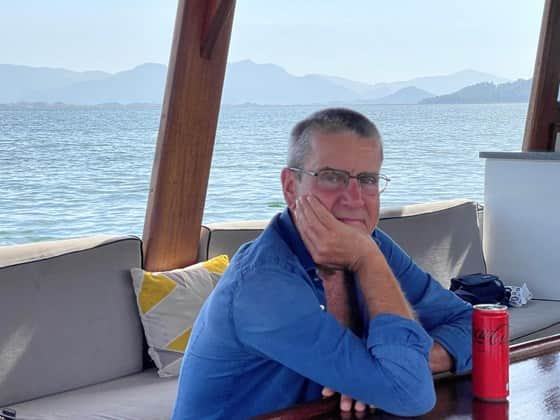
Rick described Jim as ‘highly intellegent’, a loyal PNE fan, with a love of music and literature. He said: “He was always very modest, didn’t blow his own trumpet in anyway.
“It was horrible to see him suffering and die within a year. Me and Helen talked about who to raise money for, and while inititally we were going to split it between a few charities, we decided to focus just on Brain Tumour Research, because just one per cent of the national spend on cancer research has been allocated to this disease.”
Rick’s journey will call in at Preston on Tuesday night, and he will set off for his next leg on Wednesday morning from Helen and Jim’s house in Penwortham.
Helen said: “It’s funny because Jim hated fuss, but this is all for the right reason.”
Brain Tumours
The symptoms of a brain tumour vary depending on the exact part of the brain affected.
Common symptoms include:
- headaches
- seizures (fits)
- persistently feeling sick (nausea), being sick (vomiting) and drowsiness
- mental or behavioural changes, such as memory problems or changes in personality
- progressive weakness or paralysis on one side of the body
- vision or speech problems
Sometimes you may not have any symptoms to begin with, or they may develop very slowly over time.
When to see a GP
See a GP if you have these types of symptoms, particularly if you have a headache that feels different from the type of headache you usually get, or if headaches are getting worse.
You may not have a brain tumour, but these types of symptoms should be checked.
If the GP cannot identify a more likely cause of your symptoms, they may refer you to a doctor who specialises in the brain and nervous system (neurologist) for further assessment and tests, such as a brain scan.
Who's affected
Brain tumours can affect people of any age, including children, although they tend to be more common in older adults.
More than 12,000 people are diagnosed with a primary brain tumour in the UK each year, of which about half are cancerous. Many others are diagnosed with a secondary brain tumour.
Causes and risks
The cause of most brain tumours is unknown, but there are several risk factors that may increase your chances of developing a brain tumour.
Risk factors include:
- age – the risk of getting a brain tumour increases with age (most brain tumours happen in older adults aged 85 to 89), although some types of brain tumour are more common in children
- radiation – exposure to radiation accounts for a very small number of brain tumours; some types of brain tumours are more common in people who have had radiotherapy, or very rarely, CT scans or X-rays of the head
- family history and genetic conditions – some genetic conditions are known to increase the risk of getting a brain tumour, including tuberous sclerosis, neurofibromatosis type 1, neurofibromatosis type 2 and Turner syndrome