
Major project aims to make access to nature easier for people living, working and visiting Forest of Bowland
This article contains affiliate links. We may earn a small commission on items purchased through this article, but that does not affect our editorial judgement.
A major project funded by the National Lottery will make access to the Forest of Bowland easier.
People living across the Forest of Bowland and surrounding areas will benefit from a major project designed to restore nature, improve access to green spaces, and support people living and working on the landscape.
Thanks to a £250,000 grant from The National Lottery Heritage Fund, Ribble Rivers Trust is launching Bowland Connects to bring together organisations, farmers, and local communities to shape the future of the Bowland landscape.
The funding, which has been made possible by National Lottery players, will support early development work focused on improving habitats, helping more people connect with nature, and making sure the landscape continues to support both wildlife and the communities that depend on it.
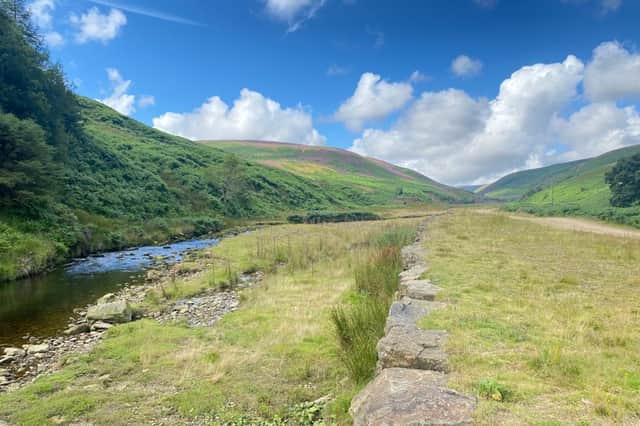

As well as Ribble Rivers Trust, the partnership includes the Forest of Bowland National Landscape, Lancashire Wildlife Trust, RSPB, the Yorkshire Dales Millennium Trust, Lancashire County Council, United Utilities and the Woodland Trust. By working together to share knowledge, resources, and experience, the group aims to take a more joined-up approach to protecting and restoring the area.
Hannah Lederer, spokesperson for Ribble Rivers Trust, said: “Bowland is a special place for so many people, whether you live here, work the land or come to enjoy the countryside.
“This project is about bringing people together to protect and restore that natural heritage in a way that benefits both wildlife and local communities.
“One of the first steps will be to build a clearer picture of the landscape by mapping habitats, wildlife and important heritage features. This will help identify where work is most needed and where it can make the biggest difference to support wildlife and reconnect habitats.”
Support your Lancashire Post and become a subscriber today. Enjoy unlimited access to local news, the latest football stories and new puzzles every day. With a digital subscription, you’ll see fewer ads, get faster load times, and access exclusive newsletters and content. Click here to subscribe.
The project will also look at how to help more people get involved. Existing work with schools, public services, and communities will be reviewed to understand what might be stopping people from taking part.
Rachael Antiws, director of nature recovery at Lancashire, Manchester and North Merseyside Wildlife Trust, added: “We want to make sure that everyone has the opportunity to connect with nature on their doorstep.”
And Tony Lund, partnership manager at the Forest of Bowland, said: “We are excited to be working with partners on this major new scheme.
“Pooling our knowledge and expertise and listening to local communities, farmers and other players will make Bowland Connects a radically different landscape scale programme which we believe will have real and lasting impact.”
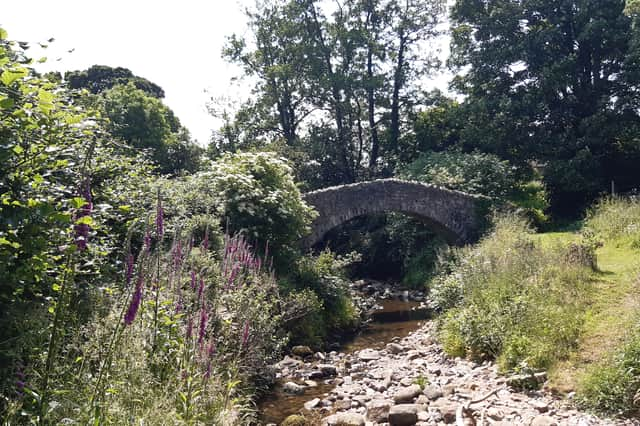
Bowland Connects will also explore ways to support local skills and employment. This includes looking at training opportunities in areas like conservation, land management, and traditional rural crafts; helping to build the skills needed to care for the landscape long into the future.
Farmers and land managers will play a vital role. Plans are underway to develop a Bowland Integrated Farm Advice Hub, to offer support to those that manage the landscapes, as well as looking at new ways to fund long-term work by bringing together public, private, and community investment.
Work on the initial phase of the project has already begun and will run to May 2027. Upon completion of the initial phase of Bowland Connects, there will be opportunity to undertake detailed development and delivery phases, with potentially up to 8 years of delivery.
The Forest of Bowland National Landscape is a nationally and internationally important area, rich in wildlife, heritage, and unspoilt scenery. Covering 312 square miles, it is prized for its habitats, including moorlands, blanket bogs, woodlands, and species-rich meadows. Picturesque villages such as Waddington, Dunsop Bridge, and Slaidburn are steeped in history and support a network of walking and cycling routes.