
Ribble Valley Council refuses luxury homes plan on Green Belt land above Langho
Ribble Valley Council has refused a plan to build six luxury homes on Green Belt land above Langho, citing concerns over road safety, drainage and the impact on the character of the area.
A controversial plan to build six luxury homes on Green Belt land above Langho has been refused after planners ruled that the development would harm the countryside, create highway safety risks and place residents in an unsustainable location.

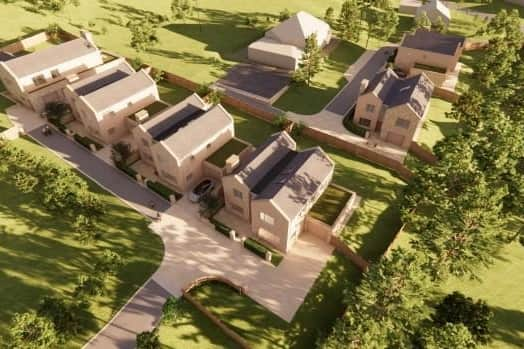
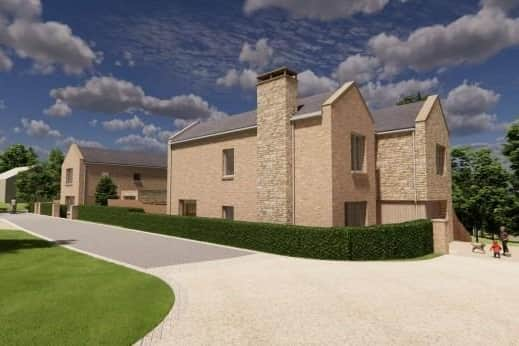
The proposal would have seen six detached four-bedroom houses built in the grounds of a property locatedbetween Snodworth Road and York Lane in the York hamlet. The site covers around 0.54 hectares and sits outside Langho’s settlement boundary within the Green Belt.
The scheme attracted strong opposition from local residents and Billington and Langho Parish Council, which raised concerns over road safety, drainage, wildlife and the impact on the character of the area. Around 22 letters of objection were also submitted.
When the plans were first submitted, resident Michael Taylor, who has lived in the hamlet for more than 20 years, told the Lancashire Telegraph he was “all for sustainable development” but had serious concerns about the proposals.
Mr Taylor challenged statements made in the application that there are no waterways on the site, saying: “This is false. The property is at the foot of Dean Clough Reservoir, and several gullies and streams enter the site, most of which flow into a large pond that is clearly marked on the Land Registry.”
Planning officers ultimately agreed with many of the concerns raised during the consultation process.
In a delegated report recommending refusal, officers concluded that the development amounted to inappropriate development in the Green Belt and failed to meet any of the exceptions set out in the latest version of the National Planning Policy Framework.
The report said: “The proposed development is not considered to amount to ‘limited infilling’, nor is the site considered to be located in a village.”
Although planners accepted that the land could be regarded as ‘grey belt’ under recently introduced planning rules, they found that the proposal failed key sustainability tests.
Officers said future residents would be heavily dependent on private cars because of steep roads, limited pedestrian infrastructure and gaps in footway provision linking the site to local services and public transport.
The report concluded that future occupants would be “likely to rely heavily on the private motor vehicle” to access employment, healthcare, schools and other day-to-day services.
Road safety was another major factor behind the refusal.
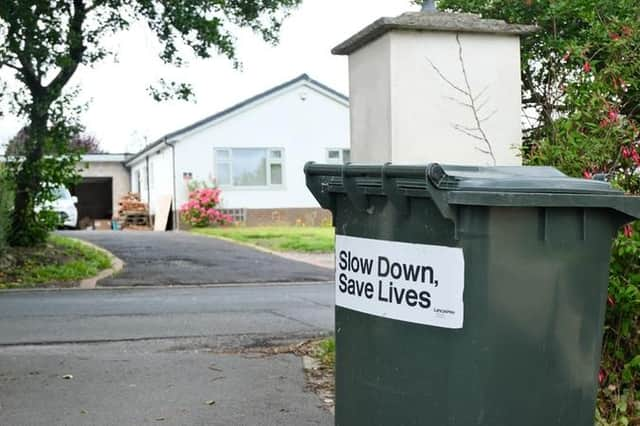
The application received a formal objection from Lancashire County Council Highways, which warned that the development would intensify the use of two substandard access points from Snodworth Road and York Lane.
Highway officers found that neither access could achieve the required visibility splays and noted that some of the visibility shown on submitted plans relied on land outside the applicant’s control. Existing walls and vegetation already restricted sight lines, creating potential risks for drivers and pedestrians.
Planners also found the design and layout to be out of keeping with the area.
While neighbouring properties are generally set within spacious plots separated by mature landscaping, officers said the scheme would introduce a noticeably denser and more suburban form of development into what remains a largely semi-rural setting.
The report said the proposal would appear as “an unduly intensive form of residential development” that failed to respond positively to its surroundings.
Not all aspects of the scheme were criticised. Officers concluded that impacts on neighbouring residents could be adequately controlled and were satisfied that concerns relating to trees, ecology and drainage could have been addressed through conditions and mitigation measures.
Enjoy unlimited access to local news, the latest football stories and new puzzles every day. With a digital subscription, you’ll see fewer ads, get faster load times, and access exclusive newsletters and content
The decision comes despite ongoing pressure for new housing in the borough. The report notes that Ribble Valley Borough Council is currently unable to demonstrate a five-year housing land supply, with the latest assessment indicating a supply of just 2.24 years.
However, planners concluded that the benefits of delivering six new homes were modest and did not outweigh the harms identified.
The application was refused because it was deemed inappropriate development in the Green Belt, would place homes in an unsustainable location reliant on car travel, would harm the character and appearance of the area and would create unacceptable highway safety impacts.
Welcoming Ribble Valley Council’s decision, Mr Taylor said: “I’m happy the local authorities fully applied the regulations and core Strategies.
“They are there to protect our environment and safety.
“I just hope going forward, with future developments, that these powers aren’t taken away from our local planning Authorities .
“For sustainable, responsible, safe development, these surely must stay.”