
Lancashire hotel chief warns Tourist Levy will be 'disastrous' for Burnley, Blackpool and wider county

A leading Lancashire hotel operator has warned that new Government plans allowing mayors to introduce a Tourist Levy will create a damaging and uneven tax burden across Burnley, Blackpool and the wider region.
The Autumn Budget confirmed that elected mayors will gain powers to impose overnight charges on visitors staying in hotels, B&Bs, guesthouses and holiday lets within their jurisdictions.
Government ministers claim the levy will be modest and intended to support local transport, tourism infrastructure and public spaces through reinvestment in areas experiencing significant visitor pressure.
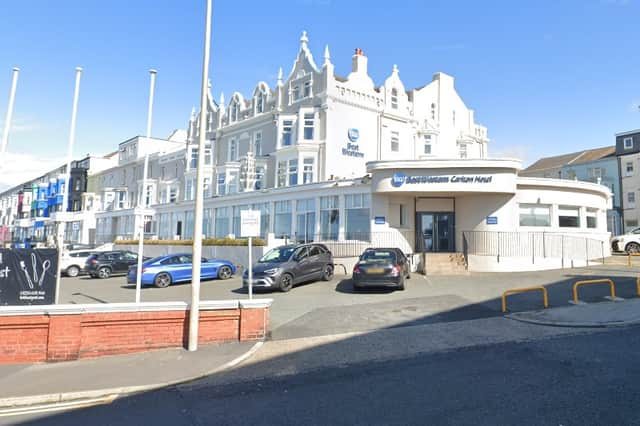

Paul Callingham, Chairman of Starboard Hotels Ltd, which owns the Holiday Inn Express in Burnley and the Best Western Carlton Hotel in Blackpool, strongly criticised the proposal and its likely consequences.
He said: “There was nothing that would seriously adversely affect hospitality during the Chancellor, Rachel Reeves, Autumn Budget speech, but the announcement that the Government will allow local Mayors to impose their own new Tourist Levy’s without any control on how the money is to be spent is disastrous.”
Callingham argued that hotels would be forced to absorb the new charge because legislation requires businesses to include the levy within advertised room rates published through online and direct channels.
He added: “This is a direct tax on hotels. We will need to include the Levy’s in our published room rates to comply with the Digital Markets, Competition and Consumers Act 2024. And guests will not pay extra as our rates are market driven, but this will be an increased burden on hoteliers at a time when the industry is already under pressure.”
The hotel chairman warned that the system will likely lead to different levy rates across England, creating complexity for hotel groups operating in multiple city and county regions.
Paul said: “This has not been thought through and we will probably see different rates all over the country which for a business like ours will be hard to manage.”
He also raised concerns that councils will struggle to apply the charge consistently across all accommodation types, particularly in the growing short-term rental market.
He added: “I suspect it will be impossible for the local authorities to collect this Levy from Holiday Let businesses, especially individual Air B&B landlords.”
Officials defending the policy say similar charges operate successfully in major European destinations, although many UK hospitality leaders argue domestic conditions differ significantly from those markets.
Industry groups warn the levy could increase financial pressure on families already facing rising travel costs, while simultaneously leaving hotels to shoulder costs they cannot pass to guests.
The Bill enabling the levy is currently progressing through Parliament, with a national consultation running until February 18, 2026, giving businesses and residents time to raise concerns.
Callingham said the proposal risks undermining Lancashire’s visitor economy, which relies heavily on competitive pricing, repeat tourism and strong demand across both coastal and inland destinations.
He warned that the levy threatens to damage hotel viability during a challenging trading period, adding further pressure to an industry already contending with high operational costs.