
Lancashire hospitals face 'significant pressure' as resident doctors prepare to strike

Resident doctors across Lancashire and South Cumbria are set to walk out this week during what health bosses describe as a period of “significant pressure” for NHS services.
The five-day strike – running from 7am on Friday, November 14 to 7am on Wednesday, November 19 – is expected to cause disruption across hospitals, with resident doctors (formerly known as junior doctors) making up almost half of all NHS doctors.
Hospitals in the region have already seen a rise in emergency department attendances and an increase in flu and COVID-19 cases, adding to the strain as winter pressures mount.
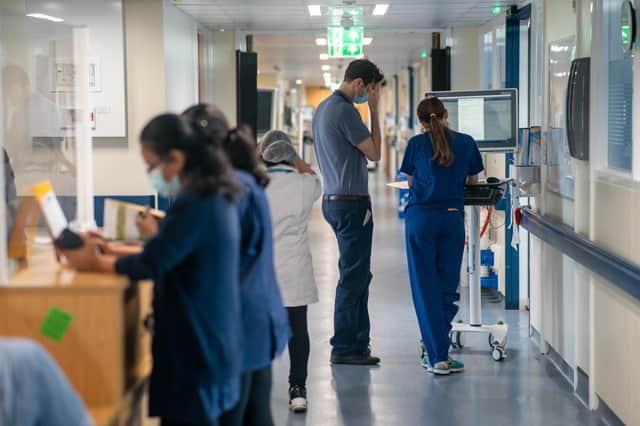

The industrial action, organised by the British Medical Association (BMA), is expected to lead to postponed appointments, longer waits and pressure on other health services.
Professor Craig Harris, Chief Operating Officer for NHS Lancashire and South Cumbria Integrated Care Board, said: “Winter months are always the busiest period for most NHS services, and we have already seen hospitals impacted earlier than usual with an increase in the number of flu and COVID-19 cases, among other winter illnesses.
“During industrial action, there is always a significant impact on services and there are plans in place to manage the disruption and protect emergency treatment.
“We will be doing all we can to avoid appointment cancellations, but unfortunately some appointments will be affected. However, we must stress that unless you hear from us, you should still attend as normal.”
The NHS is urging people to use services wisely during the strike. Members of the public are advised to:
- Visit a pharmacy or contact their GP for non-urgent issues.
- Use NHS 111 Online for urgent but not life-threatening problems.
- Call 999 or go to A&E only for genuine emergencies.
Officials say plans are in place to maintain emergency, maternity, and cancer care, and to continue as much routine treatment as possible.
Professor Harris added: “Members of the public can play their part to help us during this difficult period by making sure they choose the right service – whether that is a pharmacy, GP, urgent treatment centre, or using NHS 111 Online for all non-emergency healthcare needs.
“In any life-threatening emergencies, please call 999 or attend A&E.”
More information about when to call 999 or visit A&E is available on the NHS website.