
Lancashire GP suspended after writing prescriptions for 'dangerous' drugs for himself
A Lancashire GP has been suspended for nine months for prescribing controlled drugs to himself and to friends so they could give the drugs back to him.
Dr Andrew Foster worked at Bentham Medical Practice near Lancaster and was a partner at Coastal Medical Group and Bay Medical Group until he was removed in December 2022.
In a hearing held by the MPTS (Medical Practitioners Tribunal Service) earlier this year, he admitted 34 allegations brought against him. These included that he prescribed medication - including a class B drug, Zopiclone (class C), Diazepam (class C) and Finasteride - for patients when it was not clinically indicated and/or the medication was intended for his own use, and made inaccurate entries in the patients’ medical records between 2015 and August 2022.
A General Medical Council (GMC) representative said that in return for being part of the scam, patients involved “regularly received dangerous controlled drugs for years” and said there was “an element of sophistication” in Dr Foster's deception, that he deliberately widened the net of patients to whom he issued the prescriptions for as a means of averting suspicion, and used several pharmacies to dispense the drug so that no concerns would be raised.
The case against Dr Foster, heard at a Medical Practitioners' Tribunal Service hearing, found that his practise was impaired by reason of his misconduct and dishonesty and a caution. Before the hearing, the GP was ordered not to prescribe opioids and not to prescribe any medication for himself or his close friends or family.
The MPTS panel heard that Dr Foster's offences date back to 2015 when he prescribed medication to a patient with whom he had "a close personal relationship" and falsified their medical records. Dr Foster also admitted he should not have seen the patient or prescribed any medication to them given his relationship.
In April 2019 Dr Foster then prescribed a controlled drug to himself. He had failed to see another medical practitioner who could prescribe this medication and admitted that it was not emergency treatment immediately necessary to avoid serious deterioration in health or serious harm.
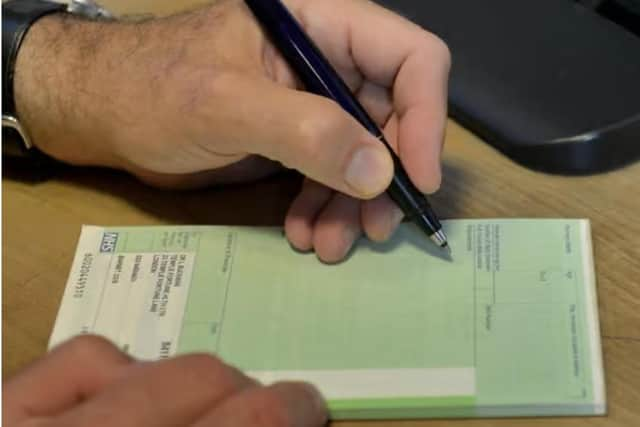

Between August 2019 and August 2022, in relation to Patient D, Dr Foster on several occasions prescribed a controlled drug to them and arranged for them to give it to him knowing it was for his own use. He also failed to adequately assess the patient, to establish the safety of prescribing the medication over an extended period and to make a record of the prescription. Dr Foster committed the same offences, with a third patient, on one or more occasion between November 2019 and June 2022.
On December 16 2019 he prescribed two different medications to that third patient and arranged for them to pass the drugs on to him. Between February 2021 and July 2022 Dr Foster again prescribed controlled drugs to the third patient, for himself, and then on a date in 2022 obtained a controlled drug for a vulnerable patient with whom he was in a close personal relationship intended for his own use. He also failed to disclose his relationship with the patient.
Dr Foster’s representative, Catherine Rabaiotti, argued that he “fully appreciates and understands the importance of his behaviour and has taken and continues to take, steps to remediate and identify how he will act differently to avoid similar matters occurring in the future.”
The tribunal, which concluded on June 20, determined that Dr Foster’s fitness to practise is currently impaired and to suspend his registration for a period of nine months.