
Huge new fines to be brought in for littering, graffiti and dog fouling as this Lancashire council gets tough
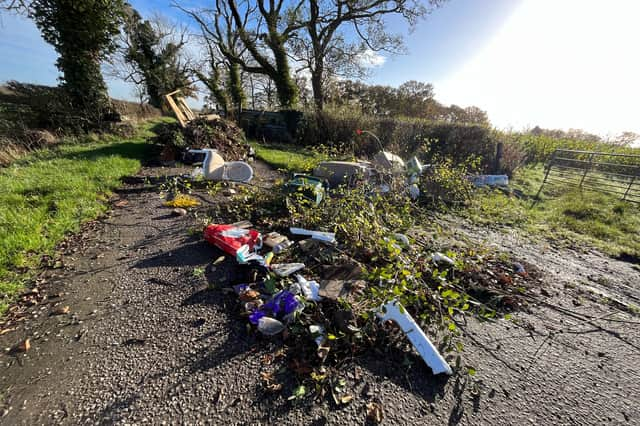
A council is cracking down on littering, dog-fouling and flytipping by with new technology and huge fines.
South Ribble’s councillors have been asked to ratify a new set of policies at a cabinet meeting on Thursday, March 12, which include:
- An increase in financial penalties for Fixed Penalty Notices (FPNs) to act as a stronger deterrent against environmental crime
- Adoption of advanced technology including the use of body-worn cameras and overt CCTV to enhance enforcement capabilities.
- Aligning Fixed Penalty Notice (FPN) levels across organisations to standardise FPN amounts to ensure fairness and consistency.
Problems
Latest Defra statistics on flytipping show that in South Ribble in 2022-23, 427 incidents of flytipping were reported, but no FPNs were issued.
The report states: “Effective enforcement and prosecution rely on identifying offenders, which remains a significant challenge. Use of advanced technology including body-worn cameras and CCTV will help to gather evidence and protect staff and proactive enforcement targeting known problem areas within the borough.”
Officers say that the current differences in enforcement approaches between organisations lead to inconsistent outcomes, there is a lack of public awareness of environmental crimes, and current policy “does not reflect modern investigation methods.”

Fines
This is how much fines are proposed to increase:
- Littering from £80 to £500
- Household Waste Duty of Care from £200 to £600
- Fly posting from £80 to £500
- Graffiti from £80 to £500.
No details for dog fouling offences have been given.
If these new fines are brought in, the council could choose to offer an early repayment rate if the FPN is paid within the first 10 days. The report states: “Offering a reduced payment rate will ensure more FPNs are paid in full, reducing the resource intensive process of preparing prosecutions and attending court.
“While income generated from fines is not the primary motive for increasing FPN levels, any additional revenue generated will help offset the increased legal costs associated with enforcement activities. This ensures that the enforcement process remains sustainable and effective.”
Body cameras
The Statutory Finance Officer said: “The adoption of advanced technology including the use of body-worn cameras, overt CCTV will incur some costs, but these will be relatively small and contained within existing budgets. Whilst some income may be generated from fines with the approval of Environmental Crime Policy, the level of income generation is not yet quantifiable, and any income will be invested back into the service initially. “