
Heatwave swimming warning over Lancashire's newest bathing site - as E.coli is found
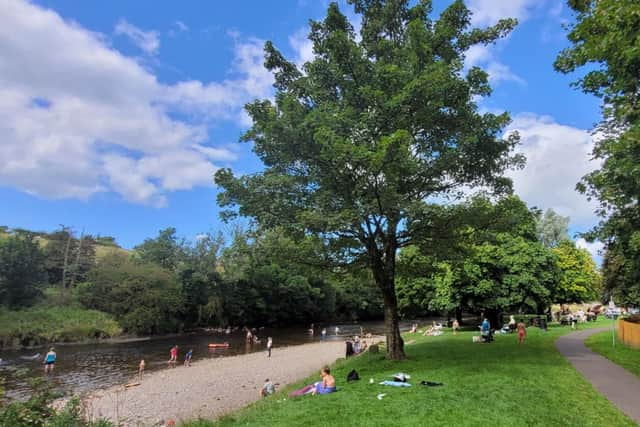
People are being advised not to swim in Lancashire’s newest official bathing as temperatures climb beyond 30°C.
Lancashire’s newest designated bathing spot has been classified as having ‘poor’ water quality for the third consecutive year.
While swimming isn’t banned, those looking to cool off in the waters of the River Ribble at Edisford Bridge near Clitheroe are being warned they risk coming into contact with bacteria that can cause severe stomach upsets.
What’s the background?
After years of campaigning, in May 2024 Defra officially recognised the River Ribble at Edisford Bridge as a Bathing Water Site under the Bathing Water Regulations. This means that the site receives extra levels of protection against pollution, with public bodies monitoring water quality more closely and taking action against polluters.
But only months later, concerns were raised when The Environment Agency (EA) revealed that water samples taken weekly between May 1 and September 30, 2024 contained evidence of Intestinal Enterococci (IE) and Escherichia coli (E coli) - both types of bacteria that live in the intestines of humans and other warm-blooded animals.
Last year the water quality was still classified as ‘poor’, and tests taken just one week ago show the same result - with evidence of both IE and E Coli still in the water. As such, the Government recommendation is against swimming.
The Ribble Rivers Trust said: “After two years of testing, Edisford Bridge has been rated as ‘poor.’ While this might sound alarming, it doesn’t mean swimming is banned. Instead, it highlights an urgent need for improvements. The designation also brings more funding to help identify pollution sources and take action to improve water quality.”
Trust staff say that on some days the water quality is good and others it is poor, but this is integrated into a single status.

Where is the pollution coming from?
Pollution can enter the river from multiple sources, including:
- Sewage overflows
- Agricultural runoff
- Animal waste (including pets)
- Household plumbing misconnections (e.g., washing machines draining into surface water drains)
- Outdated urban drainage systems
- Road runoff
Initial environmental monitoring suggests that pollution affecting Edisford Bridge may be traveling from as far as 20 miles upstream of Clitheroe.
What is being done?
RiverBlitz events have been organised by the Ribble Rivers Trust, where local volunteers have been monitoring water quality to identify the sources of bacterial pollution. Working alongside the Environment Agency (EA) and United Utilities (UU), Ribble Rivers Trust’s citizen scientists have been gathering samples from up to 20 locations every two weeks. This data has helped pinpoint pollution sources and is guiding future action to improve water quality.
In 2025 the UK government also announced major reforms to Bathing Water Status, designed to improve water quality and safety. Accoring to the Ribble Rivers Trust, these changes will have a direct impact on Edisford Bridge, ensuring better protection and monitoring. Key reforms include:
- Expanded protection for water sports enthusiasts, not just swimmers.
- Multiple monitoring points at each site for better data collection.
- Flexible monitoring periods instead of fixed bathing seasons.
- Ending automatic de-designation for sites rated ‘poor’ for five years, preventing damage to local tourism and businesses.