
Fylde coast 'WASPI' women given new hope in fight for justice after pension age rise outrage
Women from the Fylde coast who were left out of pocket by thousands of pounds after a mishandled increase in the state pension are planning to head to a key London court hearing expected to be held next month.
These members of the national WASPI (Women Against State Pension Inequality) campaign claim that around 3.8 million women born in the 1950s were treated unfairly by the too-rapid changes to their pension age, which rose from 60 to 66 in line with men's.

Some of the women - who had planned in advance for their retirement only be told they would now have to work for years until they receieved their pension - were affected by as much as £50,000.
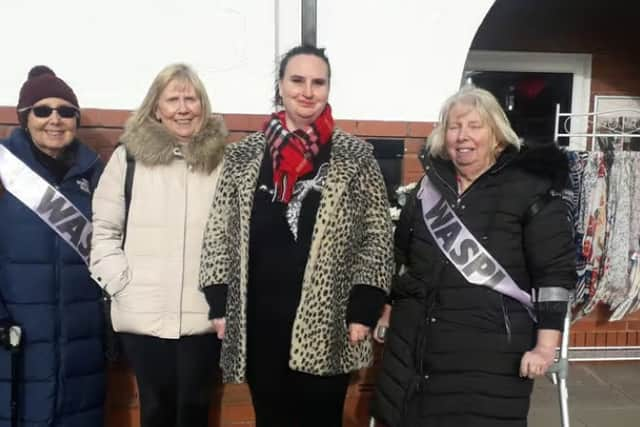
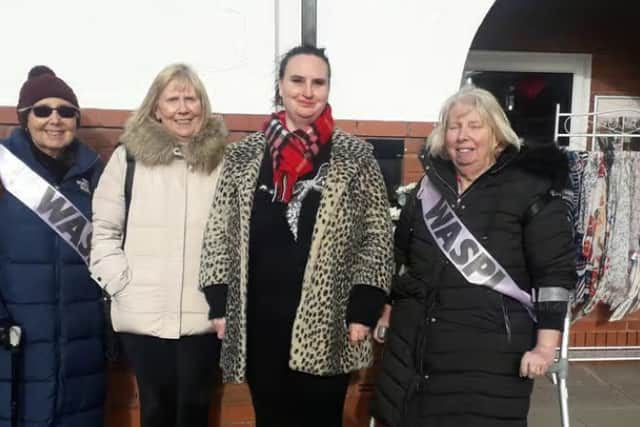
Among those affected were three sisters from the Fylde coast, Norma Elkington (67), Susan Dutton (70), and Mary Waterhouse (73), who between them lost thousands of pounds and have been campaigning for justice for several years.
Now, after years of battling, the millions of women affected have been given fresh hope that they might receive compensation after the current Labour government announced it would revisit its controversial decision last year to deny them payouts.
Although Labour backed the campaigners when it was in oppostion, last year Keir Starmer’s government sparked outrage when it denied compensation for the women.
However, current work and pensions secretary Pat McFadden told the Commons last week that the government would take another look at the decision to deny compensation to the 1950s-born women.
For the three sisters it is not just about the money itself but the principal - they are still livid that women who had worked all their lives were treated so thoughtlessly at the time - and have still not had the issue addressed.
Norma said: “It was an easy way for the Government at that time to save millions of pounds and they thought women of retirement age were an easy target.
“We are not giving up this fight now, for all the women in this country who were affected.”
The women are being backed by former Labour Wyre councillor, Holly Swales, who says she has been cautiously encouraged by the latest turnaround.
What went wrong?
It started with the 1995 Pensions Act, which increased the state pension age for women from 60 to 65 to bring them in line with men, with the change to be phased in over ten years from 2010 for women born between 1950 and 1955.
However, the government did not write to any woman affected by the rise for nearly 14 years after the law was passed in 1995 and this transition was later sped up by the 2011 Pensions Act.
Because of the poor way in which these changes were communicated by the government, both the 1995 and 2011 changes came as a shock to many, with women discovering that they would have to wait up to six years longer for their state pension, potentially affecting their retirement plans.
The changes gave some just a year’s notice of this six-year increase to anticipated retirement ages.
Some gave up work because they had calculated they could afford to manage until they got their state pension, but then found they would have to wait much longer to get the cash.
Campaigners call it an historic injustice which needs to be put right, with thousands of older women still feeling the devastating financial effects of it.
Many of them have used up their life savings to cover for the amount of money they lost out on.
What has happened since?
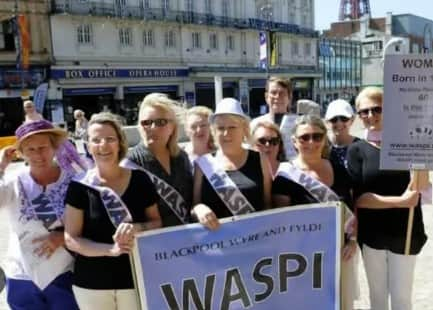
After setting up a national campaign group called WASPI (Women Against State Pension Inequality) in 2015, women across the country have staged demonstrations and, along with their supporters, set up various petitions and lobbied parliament.
They argued that the Government's lack of proper communication gave women insufficient time to prepare for these major changes and are calling for an immediate compensation package for those affected.
In December 2022 the Ombudsman found evidence of “maladministration” in the Department for Work and Pensions’ communication about changes in women’s state pension and in its complaints handling.
In March last year an official report from the Parliamentary and Health Service Ombudsman (PHSO) said those affected should be compensated.
But then, last December, ministers landed an unexpected bombshell when they announced they were denying compensation to any of those affected, with the chancellor Rachel Reeves arguing that improving public services was a higher priority than spending up to £10.5bn on payouts.
However, in a new twist, Pat McFadden made a new announcement after evidence that was not shown to the then work and pensions secretary, Liz Kendall when she made the decision has since come to light and needed to be considered.
A legal challenge to the government’s decision was set to get under way with a two-day high court hearing beginning on December 9.
However, there still remains some doubt the hearing will go ahead as planned, as the Government has informed the court of the new information.
What they say
Fylde coast sisters Norma Elkington, Susan Dutton, and Mary Waterhouse all originally expected to retire at 60 and geared their futures towards that.
Susan Dutton, 70, of Poulton, who ran her own swimming tutor business at Rossall School for many years, says she has been left out of pocked by £48,000.
She says: “What they need to acknowledge is that a woman born in the 1950s dies every 13 minutes while this is still left in a mess.
"I lost thousands of pounds because I ended up getting the state pension years after I was expecting it.
"If it hadn't been for my husband supporting me I would be in all sorts of financial trouble.
"The point is, many women don't have that support and they have lost their homes.
"Some have already died without getting what they are due.
"So we are planning to go to London to let them know some of us are still alive and still fighting for what we are owed.”
When Mary, 73, of Cleveleys, turned 60 in 2012, the state pension age had just risen and she wasn’t able to retire as planned.
Wracked by pain from arthritis, the mother-of-three and grandmother had to continue as a community careworker because her husband and had been laid off.
Now finally retired, she says she has lost out to the tune of £10,000 and said: “we aren’t giving up, we are determined to send out a message.
“This thing affected me hugely - I would go to work on two sticks because I couldn’t walk without them.
“I would never have considered going on benefits because that’s not the way I was brought up, my dad would turn in his grave. I needed to keep going until my husband was finally able to get his pension.”
Norma, 67 who worked as a nurse but had to retire at 50 with a painful condition called complex regional pain syndrome, also says she lost £48,000 said: “When this Government refused us last year we were lived, it was a real sense of betrayal. at least now there is some hope.
"Women of our age group have been treated terribly.
"Some of them are still struggling and now we have the cost of living crisis on top of it.
"We’ve been disappointed before so let’s see what happens now.”
Former Labour councillor Holly Swales, who set up a petition for the Waspi women in 2019, admits she felt badly let down by the Labour government she supported when it made its shock decision last year.
She said: “it was a big disappointment for everyone but the latest development give them a chance to finally do something. As a previous Wyre councillor I supported the women’s cause and there needs to be proper answers now.
“Because of the terrible way these pension changes were handled, thousands of women have lost a lot of money and suffered incredible stress.
"The only justice for them now is compensation and the fight goes on to get them justice.
"This isn’t going to go away.”
Any compensation packet is expected to be limited to £10,000, less than the amount that some women lost out on, but the campaigners are waiting to hear what will be offered.