
'Nature doesn't know it needs to move house': fears Mawdesley estate plan will decimate wildlife
Locals say the housing will wreck a thriving nature spot.
Residents of a Chorley village are warning that plans for dozens of new homes will wipe out the habitats of the wildlife that helps make the area what it is.
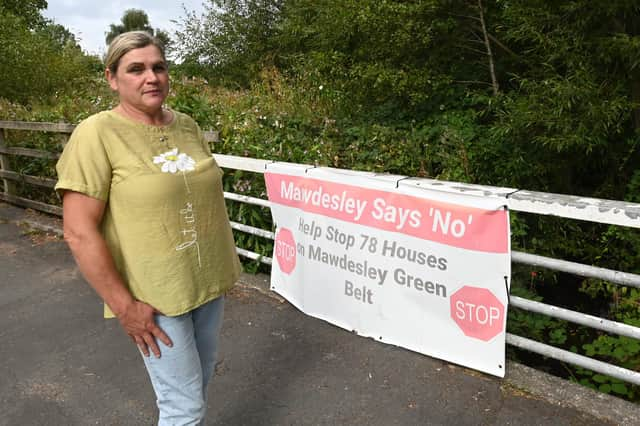
A campaign has been set up to oppose the 78-dwelling development on a greenbelt plot off Hurst Green in Mawdesley.
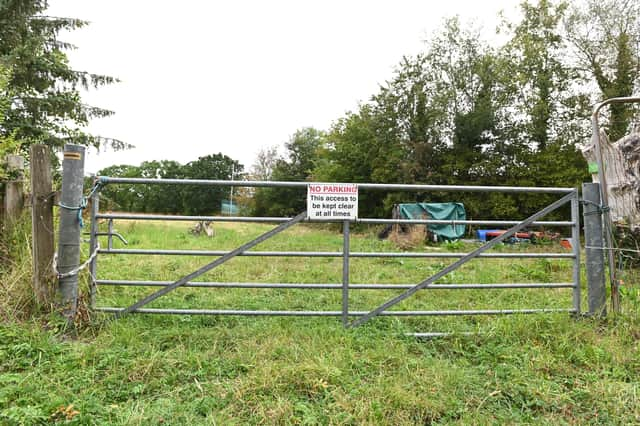

Applethwaite Homes, the housebuilder behind the proposal, said in its planning application to Chorley Council that the ecology of the site had been assessed and that it was possible to develop the estate “without significant adverse effects on biodiversity”. The firm suggested there were even “opportunities to deliver measurable ecological improvements”.
However, members of the ‘Mawdesley Says No’ group fear that the nature-friendly future being promised is a fallacy - and one at odds with reality of building on three open fields currently teeming with life.
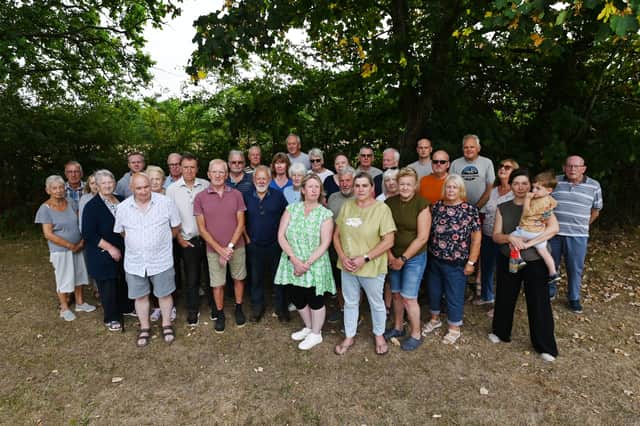
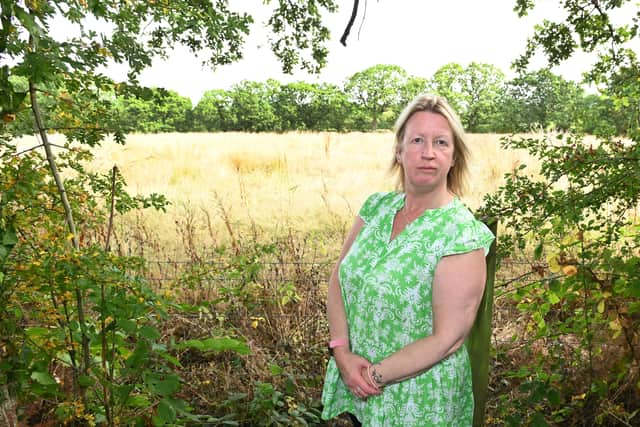
The coincidentally-named campaign founder, Kerry Mawdsley, told the Lancashire Post she has spent hours documenting the wildlife that is flourishing on the unspoiled site and has submitted her findings to council planners in the hope of influencing their decision. She believes she has found evidence of water vole tracks and burrows, which has not so far been considered.
“So they need to do a survey on that now,” Kerry said.
“I’ve also used a bird identification app and there was a tawny owl in the fields, barn owls have been seen hunting and there [are] deer in there. Then I’ve got pictures of a redwing and song thrushes on Millennium Green.”
The green is an area of open space adjacent to the proposed housing site which Kerry fears would also feel the effects of the development because of the nature corridors she believes exist between the two.
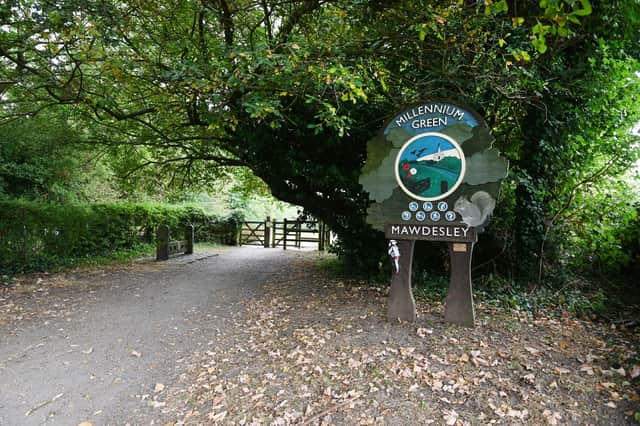
Asked whether the neighbouring land would not actually provide a haven for any displaced wildlife, she said: “It's not that simple, because there is so much of it.
“Plus, the wildlife doesn't know to think, ‘Oh well, we'll move house - we'll move next door.’ They're just going to be destroyed.
“And if you get rid of the grass and the insects, what do [the other creatures] eat? The eco-chain is ruined,” Kerry said.
The campaign group - which has amassed almost 400 members on Facebook and insists it is not motivated by nimbyism - has a raft of other concerns about the housing proposal, including the location of the vehicular access point and the potential for the loss of the fields to cause flooding.
One member said there were a host of solid, planning-related reasons why the development “can’t [be allowed to] go ahead” - not least that there are more suitable sites available.
“We have other areas in the village which have been part of the local plan [of allocated housing sites] that are still to be developed,” Lisa Thompson said.
“There are 55 houses still to be built [as part of phase two of] St. Peter's Park - we need to have that development done first before people start looking at other[s]...in the village.”
Greenbelt sites like the one being eyed by Applethwaite would usually be off limits for housebuilding, but Chorley Council is currently unable to demonstrate that it has a five-year supply of land set aside to meet its new housing needs, as required under national planning rules.
In the absence of that pipeline of plots, local authorities are obliged to permit sustainable developments unless the disadvantages of doing so would “significantly” outweigh the benefits.
Development has been designed ‘sensitively’
Applethwaite Homes did not respond to a request for comment on the wildlife concerns raised by Mawdesley Says No.
However, a design statement submitted as part of its planning application notes that a preliminary appraisal has assessed the ecological potential of the site.
The document adds: “Ecological constraints have been effectively managed through sensitive design.
“Key recommendations included retaining and enhancing boundary vegetation, protecting mature trees, maintaining dark corridors for bats and ensuring precautionary working methods to protect great crested newts. These measures have been incorporated into the design.
“The appraisal concludes that, subject to implementation of recommended mitigation and enhancement, the proposed development can proceed without significant adverse effects on biodiversity and offers opportunities to deliver measurable ecological improvements.”
The Bamber Bridge-based company also pledges the “retention of existing trees and hedges where possible to provide [a] mature landscape setting” and an “enhanced landscape buffer” along the south western boundary of the site.
A bird breeding survey was undertaken on behalf of the applicant in May, when no ground-breeding birds were found.
However, red-listed species recorded included one common starling, a single European greenfinch, one mistle thrush, two separate sightings of low-flying common linnet and one house sparrow.