
'Be on high alert' - Lancashire residents warned over plant that could knock 10% off your house price
Lancashire has been identified as one of the worst affected locations in England for Japanese knotweed.
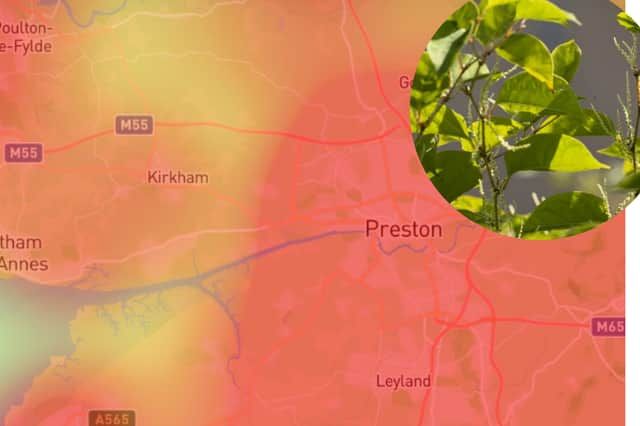
Latest data from Environet’s online knotweed tracker Exposed: The Japanese Knotweed Heatmap, shows a total of 8,637 verified sightings across the county or 7.2 incidences in every square mile. Local hotspots include Blackburn, Preston, Burnley and Darwen, where clusters of sightings have been recorded.
What is Japanese knotweed?
Japanese knotweed is an invasive species of plant which spreads rapidly and overwhelms other plants. It hibernates during the winter months before emerging when the ground temperature reaches around 4°c. Reddish-purple asparagus-like shoots sprout from the earth and quickly form hard green stems, growing at a rapid rate to reach approximately three metres in height by June.
It isn’t illegal to have Japanese knotweed growing on your land, but you could be sued if you sell an affected property without declaring it to the buyer, or you allow it to spread next door.
If left untreated, knotweed can damage property foundations, driveways, patios, cavity walls and drains, impacting an estimated seven per cent of the UK’s homes. In the worst cases it can knock five to 10 per cent off house prices and cause legal disputes between neighbours.

Environet Director Emily Grant said told residents to be on ‘high alert’. She said: “After a wet and rainy start to spring and with the sunshine finally arriving, knotweed shoots are emerging from the ground and beginning their growing season which runs from now to around the end of September.
“In hotspots such as Lancashire, homeowners need to be particularly vigilant and look out for the distinctive red speared shoots, which look rather like peony at this time of year, but quickly develop bamboo-like canes and bright green shield-shaped leaves.
“If you do spot knotweed, don’t try and deal with it yourself as you could inadvertently spread it or make it more difficult to treat professionally. A Japanese knotweed survey will determine the best course of action, which is usually excavation, herbicide treatment or a combination of the two. It’s also the best way to preserve the value of your property. The longer you leave knotweed, the further it will spread so it’s best to put a plan in place early in the growing season.”
How to spot Japanese knotweed
- Knotweed first appears in March/April as reddish-purple shoots resembling asparagus tips or peony buds pushing up through the soil
- As it grows, the shoots turn into hollow, green stems with purple speckles
- Heart-shaped leaves gradually unfurl and turn green
- The plant grows at the incredible rate of around 10cm a day from May until July
- Knotweed blooms in late summer with tiny creamy-white flowers
Support your Lancashire Post and become a subscriber today. Enjoy unlimited access to local news, the latest football stories and new puzzles every day. With a digital subscription, you can see fewer ads, enjoy faster load times, and get access to exclusive newsletters and content. Click here to subscribe.