
'It takes a lot to turn around a sinking ship': Scepticism follows budget announcements in Lancashire
As the dust settles on this year’s autumn budget, the reaction from Lancashire and beyond was that it may have been a ‘missed opportunity’ for the chancellor.
A ‘stopgap’, ‘trick and no treat’, and a ‘fudge-it budget’ were just some of the ways yesterday’s autumn budget was described by those watching live.
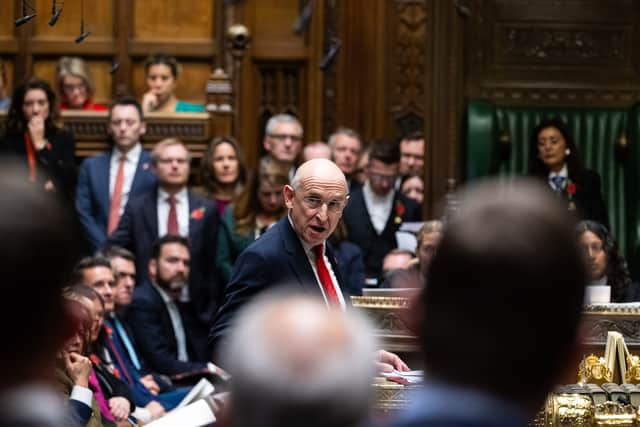

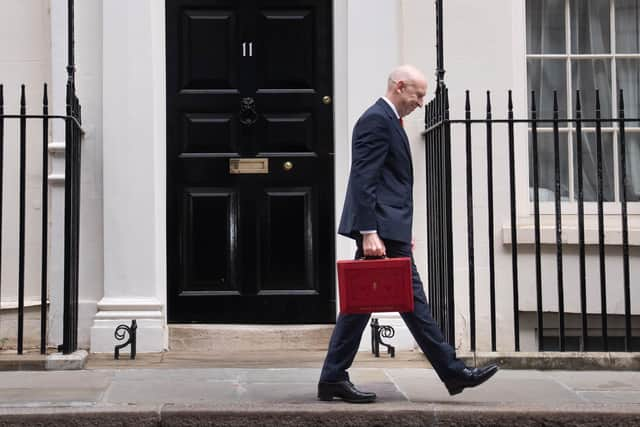
In the same week that Andy Burnham marked 100 days in office, his new chancellor John Healey took to the Commons to outline his plans to tackle issues from the cost of living to defence, all while trying to keep within Labour’s original manifesto pledges.
A rise to minimum wage, the scrapping of gas bill standing orders, and plans to introduce a new Mayor of Lancashire were just some of the biggest announcements affecting people in Lancashire.
But when the dust settled, the most common criticism was that it was ultimately a “missed opportunity” for the chancellor.
“I’m glad to hear that gas has been sorted, but things like electric is still bloody too high,” said Jonny Yates, who owns the Winckley Street Ale House in Preston. “Water is too high.
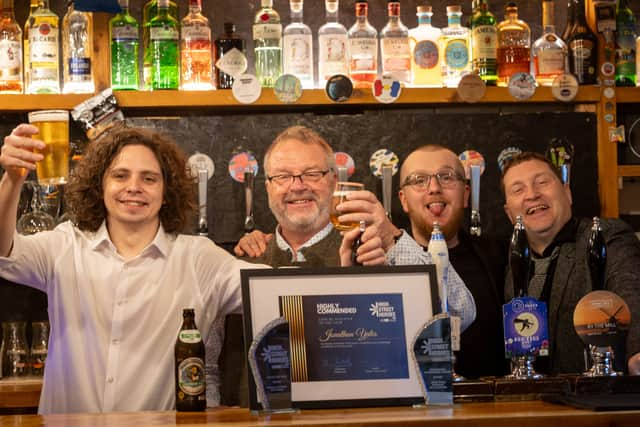
“People are always concentrating on things like the minimum wage, and I’ll be honest, it annoys me, because at the end of the day, I’ll tell you who isn’t complaining: the people on minimum wage.
“At the end of the day, everything has gotten more expensive. I don’t want to employ somebody, and they can’t go out and do stuff because they’re not getting paid.”
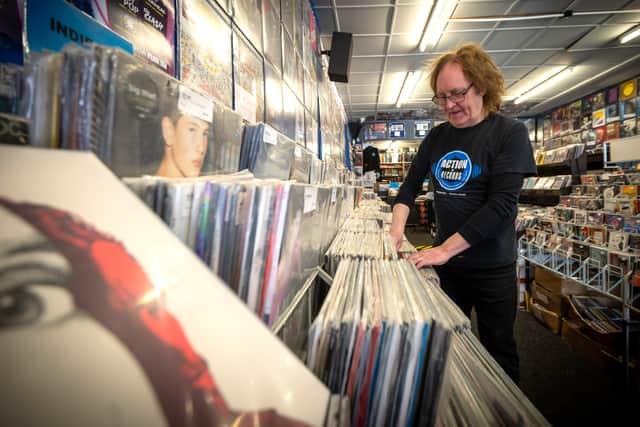
Gordon Gibson, from Action Records, told the Lancashire Post similar: “As far as we’re concerned, the main thing for us is people having more disposable income in their pocket.
“At the end of the day, we are a luxury - although some people may think we’re a necessity!”
This year’s budget will see minimum wage rise by 3.9 per cent in April - 50p for those 21 and over (from £12.71 to £13.20), and 42p for 18-to-20-year-olds (from £10.85 to £11.27).
But according to a thinktank director at Lancaster University, it won’t be enough for workers to feel real change.
“OBR forecasts suggest cost of living pressures will continue to bite well into 2027, particularly for those on low and insecure incomes,” said Ben Harrison.
“Real household disposable income is expected to grow by just 0.2% in 2027, with inflation expected to hit a quarterly peak of 3.8% next year. This will mean most workers are unlikely to feel better off, despite a 3.9% rise in the National Living Wage.”
Several groups across both Lancashire and the UK agreed there were other things they wish could have been reflected in the budget.
The Countryside Alliance said they wanted a revisit on the family farm tax, while the Dog’s Trust and the RSPCA both said they were disappointed not to have seen any mention of aiding pet owners.
Meanwhile, Jonny said that for all the talk on helping the high street, he wished to see more done to help pubs and bars thrive.
“I did a little back of the envelope cost calculations for things like beer duty, and the beer duty for our lager so far this year is £4,000,” he said.
“And that’s just for pints, and that’s just on my lager. It’s not even been on all year - I’ve had different lagers on every now and then. So, there’s other things that we need a level playing field on.
“There are things out there that support supermarkets, but not us: Greggs, for example, don’t have to pay VAT on their sausage rolls, but we have to because ours come out hot and on a plate. That doesn’t seem fair.
“And there’s supermarkets that can use alcohol as a loss-leader. I can buy a case of coke from the supermarket sometimes half as cheap as I can from a wholesaler.
“I do think there could be more support for smaller businesses.
“Don’t get me wrong, at least we’re not in the full depths of Tory austerity anymore,” he said. “We have got a party in charge who do kind of want to support the working man - although more often than not, it feels like empty gestures more than actual policy.
“It takes a lot to turn around a sinking ship.”