
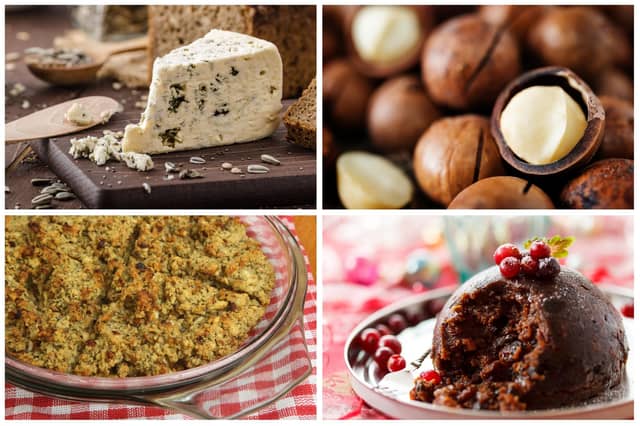

And with a lot of food thrown away over the Christmas period, you may be tempted to treat your pets to some of the leftovers.
However, some common Christmas foods can actually make our pets seriously ill, so it is important to know which ones should be avoided.
Even if your cat or dog has only eaten a small amount of these foods, it's important to do the following:
Call the vet straight away - Don’t wait for your pet to start showing symptoms. A vet will be able to offer advice, and the quicker you act, the better chance your pet will have of recovery.
Note the time and quantity of food ingested – Provide the vet with as much information as you can. This includes the time your pet ate the unsafe food, brand names, the ingredient list and how much you think they consumed
Don’t try to make your pet sick – Attempting this can cause further health complications. Leave this to your vet, as they are trained to do this in a safe manner.
Animal health specialists at OurFitPets have put together a list of common Christmas foods that can cause serious health problems for cats and dogs, as well as advice on what you should do if your furry friend accidentally eats any of these foods.
They are ...
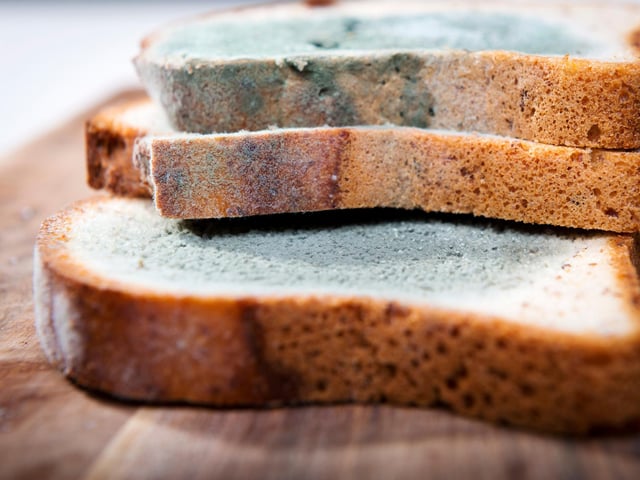
9. Mouldy food
Like blue cheese, gone off dairy or bread products contain fungi and mould which produce mycotoxins that can produce similar negative effects for cats and dogs when ingested. Photo: Tim Hester
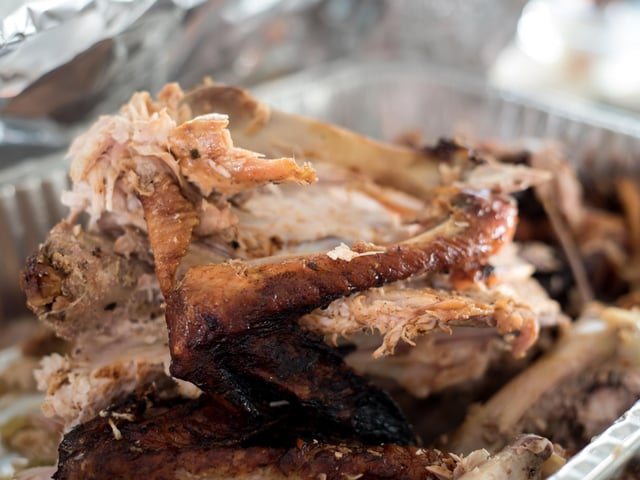
10. Turkey bones and fat
While not necessarily toxic to cats and dogs, turkey bones can be brittle which means there is a high chance of them splintering and lodging in your pet’s throat or stomach. Turkey fat and fatty foods in general, shouldn’t be given to pets in large quantities either, as they can cause stomach discomfort and diarrhoea. Photo: Joseph - stock.adobe.com

11. Alcohol
Animals are more sensitive to the ethanol present in alcohol than humans are. Consumption of alcohol will cause your pet to become drowsy and unstable on their feet and at worst can cause a drop in body temperature and blood sugar, which can lead to seizures or a coma. Photo: Bnetto - stock.adobe.com