
Twin pays tribute to sister and has special message in her memory
Rosie Neath, who raised awareness for organ donation, is remembered by her twin and sister after her passing in 2017.
Rosie Neath from Blackpool died in 2017 at age 29 while waiting for her second lung transplant after the first she received in 2015 began failing.
She was diagnosed with cystic fibrosis -a genetic condition that causes breathing and digestive problems - when she was 10 months old.
Despite this, Rosie was known for her strong personality and avid campaigning for organ donation, and she went on to complete school and a criminology course at college and working in a hospital’s records department before becoming too ill to work.
She took part in organ donation campaigns, did TV interviews, was part of the Organ Donation Committee for Blackpool Victoria Hospital, and even featured in an organ donation advertising campaign on local trams.
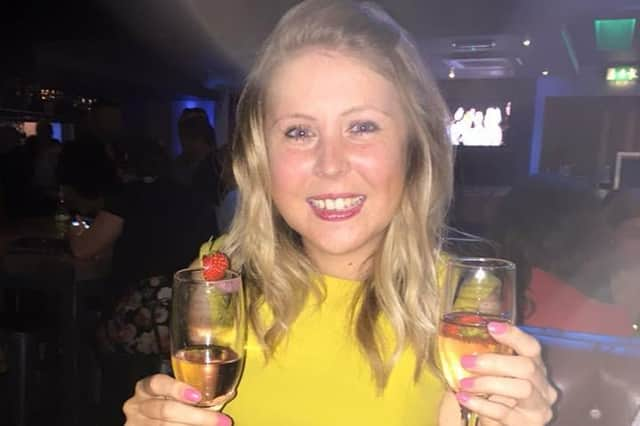

At the time of her first lung transfer, Rosie was down to only 8% lung function, but after an eight hour operation at University Hospital of South Manchester NHS Foundation Trust, she enjoyed a brief spell of better health,
Unfortunately, after around 14 months, her body started rejecting the lungs.
Rosie was called in for a second transplant on her birthday in 2017, but sadly the lungs were not considered viable and the operation did not go ahead.
She continued waiting, but sadly passed away in October 2017 at Blackpool Victoria Hospital.
To keep her memory alive, The NHS Blood and Transplant North West Organ Donation Team now presents the Rosie Neath Award for Outstanding Achievement in Organ Donation to a hospital team clinician each year.
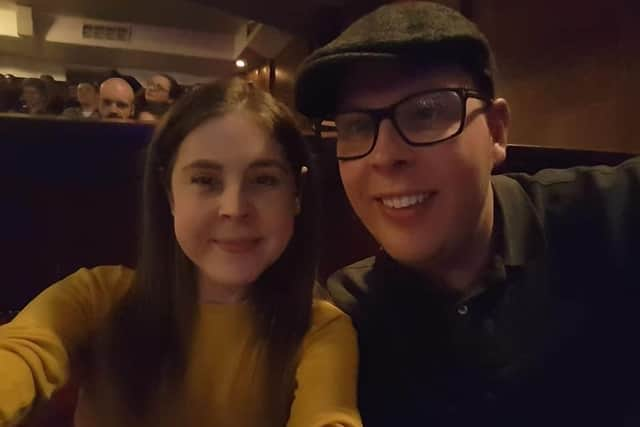
Mark Neath, her 37-year old twin brother, said: “In her late teens she’d started to deteriorate more and more.
“She had difficulty completing daily tasks and her breathing became more laboured.
“She was a happy person and very sharp witted. A really memorable person.”
Rosie’s sister Helen, aged 43, added: “She was super resilient and she never let her illness get her down.
“She never really talked about feeling poorly – she had no choice so she just battled on.
“Rosie was very strong willed. She knew everything about her condition and she had a really tight group of friends.
“She liked reading and shopping, she loved watched TV series at home. There were about 500 people at her funeral, that’s pretty much testament to the kind of person that she was.”
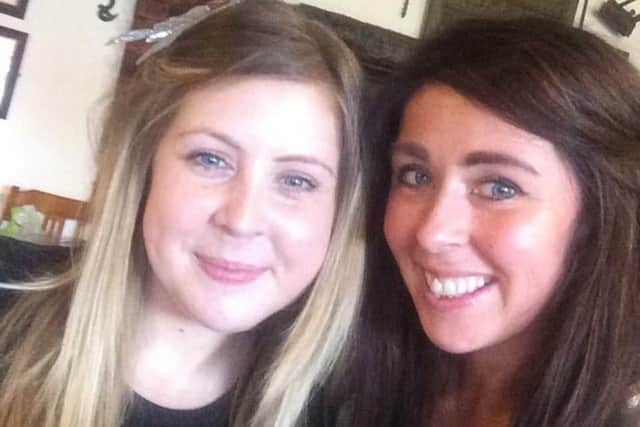
Mark continued: “We are forever grateful to the donor family for her transplant and the extra time that gave her.
“Waiting for a transplant when someone is very ill is very difficult. The days become very long and you don’t want to travel far. You panic every time your phone rings. You want to press pause on life, to buy time.
“Organ donation is the last thing you can ever do in life to make a change to someone. It’s the last good act you can in life.”
Helen said: “Waiting for a transplant is like living with a ticking time bomb. You are constantly checking your phone.
“Rosie was so passionate about donation. After her donation, the people who received her kidneys got in touch. The letters were lovely. One guy was able to back to university and complete his degree and the other guy was able to start a family.
“Our dad goes to the hospital every year during Organ Donation Week and mans a stall and gives leaflets out.
“One kind act doesn’t just change someone’s life, it can transform their whole family’s life. You can’t use anything so why would you not do it?”