
Trust behind Royal Hospital Preston & Chorley and South Ribble Hospital issue guidance ahead of doctor strikes

The trust behind Royal Hospital Preston and Chorley and South Ribble Hospital have issued a statement ahead of new doctor strikes next month.
Last week, the British Medical Association (BMA) announced six days of national strike action by resident doctors after the Easter weekend.
Resident doctors – formerly known as junior doctors - are set to strike from 7am on Tuesday, April 7 until 7am on Monday, April 13 2026.
The new strikes come after doctors’ and dentists’ pay review body the DDRB recommended a 3.5% uplift for doctors and it will be the 15th round of strikes by resident doctors in England since 2023.
Following the news, Lancashire Teaching Hospitals NHS Foundation Trust, which oversees Royal Preston Hospital and Chorley and South Ribble Hospital, has issued some guidance for residents.
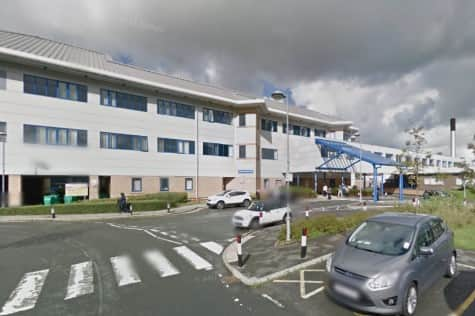

A spokesperson for the Trust said: “During these strikes our focus as a Trust will be on ensuring as many services as possible continue to operate safely.
“It is really important that patients who need urgent medical care continue to come forward as normal, especially in emergency and serious life-threatening cases – when someone is seriously ill or injured, or their life is at risk.
“If we have not contacted you, please attend your appointment as planned. We will contact you if your appointment needs to be rescheduled due to strike action. We will do our best to only cancel appointments where it is necessary.
“During the strikes, there may be fewer resident doctors working than usual, and they will need to prioritise life-saving care. Less urgent cases may experience longer waits during strikes.”
The Trust continued their statement by suggesting ways in which patients can help the NHS during the new strikes.
They wrote: “The NHS is asking patients to choose services appropriately during industrial action and take simple steps to help ensure care is available to patients who need it most.
“NHS 111 online should be used for urgent medical help or advice when it's not a life-threatening emergency, while 999 should be used for serious or life-threatening situations.
“Please visit the NHS UK website for more information on when to call 999 and when to go to A&E.”