
Royal Preston Hospital staff told to avoid using 'certain phrases and words' in latest diversity training

Phrases such as “the early bird catches the worm may not translate well across other cultures”, said the Trust.
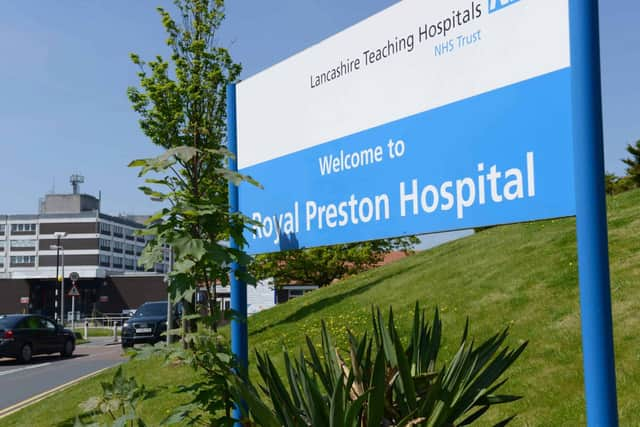
The Trust behind Royal Preston Hospital has asked staff to avoid ‘confusing’ phrases such as “raining cats and dogs” when speaking to patients and colleagues.
Lancashire Teaching Hospitals issued the new guidance on the use of “informal phrases or idioms” in its latest diversity and inclusion training manual.

The Trust said “certain phrases or idioms are not always easily understood by everyone”, including examples such as “the early bird catches the worm”, which “may not translate well across other cultures”.
It said the 17-pages of guidance provided to doctors, nurses and clinical staff is “not about avoiding offence”, but ensuring “clear communication for all patients”.
The guidance also advises against the use of ‘chairman’ and ‘mankind', suggesting they should be replaced by ‘chairperson’ and ‘humankind’.
It also recommended avoiding using the word ‘guys’ in favour of ‘gender neutral terms’ such as ‘colleagues’, ‘team’ or ‘members’, as well as ‘they/them’ instead of male and female pronouns if the gender of a patient is unclear.
Most public sector and many private sector organisations have some kind of EDI guidance (equality, diversity, and inclusion) in place, and the Trust said theirs is based on national guidance as well as feedback from colleagues.
But their guidance has caught the attention of national newspapers, including the Telegraph and Daily Mail, who accused Lancashire Teaching Hospitals of “language policing to avoid offending foreign patients.”
The reports claimed staff would be disciplined for using the harmless idioms, which the Trust denied, saying “this simply isn’t true”.

Lancs Hospital Trust hits back
Speaking to the Post, the hospital trust said national reporting on the guidance “has been taken out of context”.
“This is about clear communication and people being able to understand what is said to them - it’s not about avoiding offence,” said a spokesperson for the Trust.
“People are sometimes very stressed when they attend hospital and we often receive feedback about the importance of clear communication for all patients.
“One of the other things the NHS does is use a lot of acronyms which very few people outside the sector can understand – we also need to try and avoid this wherever possible.
“The (Telegraph) article has specifically focused on culture, whereas there are a range of reasons why some people or groups may find idioms hard to understand.
“Our colleagues want our patients to feel welcome and well informed within our hospitals and understand the difference between the professional language they use in work and the kind of language they may use in a more informal setting.
“It is misleading to suggest that staff would be disciplined for using harmless idioms - this simply isn’t true.”
“This is not about policing language”
In a statement to the Post, a Trust spokesperson added: “As a large specialist Trust, we are proud to have a diverse workforce and to serve people from many different communities.
“It is well known that certain informal phrases or idioms are not always easily understood by everyone, including people with autism or whose first language is not English, so it makes sense to raise awareness of this.
“To be clear, this is not about the potential of offending a particular group or about policing language. We simply provide guidance to ensure that every patient we see receives clear communications to avoid any misunderstandings.
“For example, the same advice would apply regarding the use of acronyms, which also may not be fully understood – just like an idiom or other informal phrases.
“It is misleading and unhelpful to suggest that our colleagues would be disciplined for using harmless idioms.
“When people attend hospital they can often feel stressed, so clear, easy-to-understand and professional communications can really help.”