
Lancaster man who suffered stroke at just 34 backs charity as it urges government to prioritise prevention
Nearly 414 people will have a stroke every day in the UK – that's one person every three-and-a-half minutes – by 2035 unless the public, NHS and the Government tackle prevention.
The Stroke Association is expecting the number of people having a first or second stroke to increase to more than 151,000 a year by 2035.
Currently, 280 people have a stroke every day in the UK, which is one person every five minutes.
Stroke destroys people’s lives and every day in the UK, it leaves around 240 survivors at risk of being unable to see, speak, move, or even swallow.

It is also the fourth leading cause of death in the UK. As the UK’s population ages, more people are living with long-term conditions which increase the risk of stroke. This includes high blood pressure, which is the cause of around half of all strokes.
The Stroke Association is encouraging the public to help protect themselves against stroke by monitoring their blood pressure regularly and taking steps to keep it at a healthy level.
This includes eating a healthy diet, not smoking or vaping, getting regular exercise, and not drinking excessive amounts of alcohol. Blood pressure checks can be carried out by a GP, at a pharmacy, or at home with BP monitor kits costing around £20.
The societal cost of stroke is expected to soar as the number of people having strokes increases. This is due to increased demand for intense stroke rehabilitation and ongoing support as well as survivors being unable to work and the knock-on effects this has on them as well as on the lives of people who care for them.
So, to mark Stroke Prevention Day on Thursday January 29, the Stroke Association wants the Government to take further steps to prioritise prevention of both first and recurrent strokes.
This is in addition to delivering the preventative measures outlined in the 10 Year Health Plan including new alcohol labelling, reduced junk food advertising, expanding the ‘sugar tax’ on soft drinks, improved access to weight loss medication, prohibiting sales of cigarettes to young people, and increasing taxes on vaping.
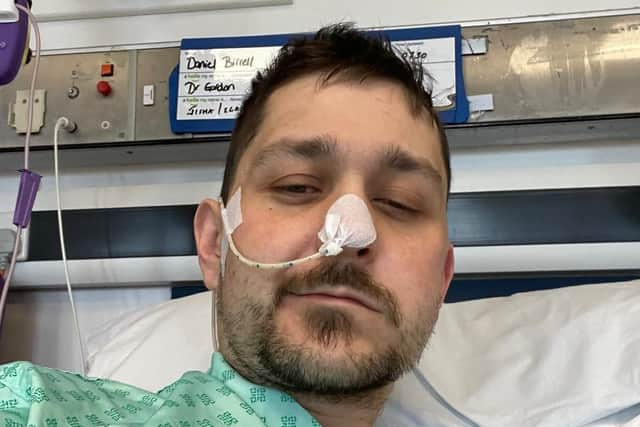
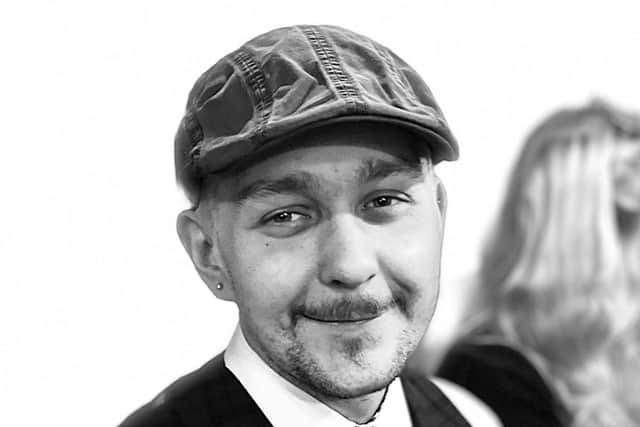
Daniel Birrell, from Lancaster, was just 34 when he had a lifechanging bleed on the brain.
Now, after years of smoking, alcohol dependency and drug misuse, he feels like his stroke may have been a “blessing in disguise” that’s forced him to make changes.
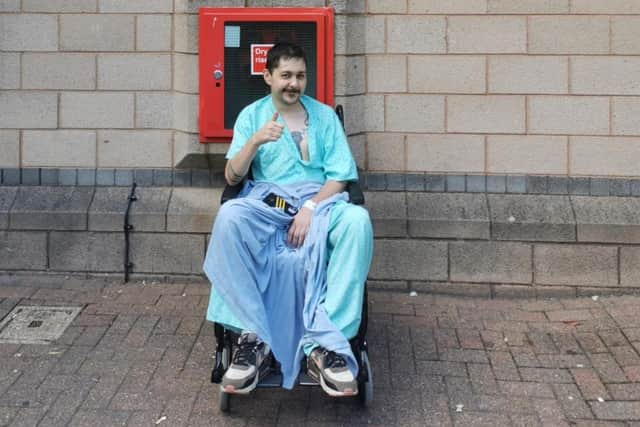
Dan was on a train in June 2025 when he suddenly dropped his phone, wallet and other possessions.
After staggering off the train, Dan fell into the road where a member of the public phoned an ambulance and Dan was rushed to hospital.
He said: “I wondered for a moment if it could be a stroke, but immediately rejected it. I was so young.”
Scans revealed a serious bleed in Dan’s brain called an intracranial haemorrhage (ICH), causing rising pressure inside his skull and damaging brain cells.
When Dan awoke two days later and heard the words ‘severe stroke’, he recalled: “There it was, confirmation that my suspicions had been right. It felt like the hollowest of victories – hollow like the space that would probably be left by the damage caused by the bleed in my brain.
Dan was left paralysed down the left hand side of his body and would spend six months in two hospitals. He faced major challenges with swallowing, vision and hearing changes, and the initial loss of his mobility was particularly overwhelming.
He said: “Being paralysed on my left side meant I may as well have been paralysed on both sides – moving a dead weight with just one good arm and leg was virtually impossible. I couldn’t wash, dress or use the toilet by myself. It was misery at first.”
Dan also had to fed through a tube at first and spent months in rehabilitation where he has learnt to walk again with a quad stick.
Remarkably, Dan has since gone on to make major lifestyle changes and even completed a 62-mile fundraising challenge on his exercise bike in October.
Dan now strongly believes that his stroke was partially preventable and he wants others to learn from his experiences.
He said: “I think my stroke was caused by plaque building up in my blood vessels from long periods of high blood sugars. Then my recreational activities raised my blood pressure, and boom – an explosion in my brain.
“I value my health so much more now. Although the stroke disabled me in lots of ways, it also rewired my brain in a positive way. I used to have the mindset of an 18-year-old and think I was invincible but now I know better.
“I don’t want to waste all this hard work by going back to smoking or drinking. When I look back at what I’ve achieved, I know I can overcome everything else there is ahead. The road is long but not impossible.”
The charity is urging people to attend the NHS health checks for over 40s in England and Wales, as currently around two-thirds of those invited to an appointment don’t attend.
It also wants the Government to reform the appointments, so they are more effective and provide targeted support for people who need it, including education on the risk factors of stroke.
This is especially for people with high blood pressure, which is checked at these appointments, and in under-served communities which are impacted by health inequalities.
These health checks also need to be coupled with follow-up support for stroke survivors as one in four will go on to have another stroke.
As two-thirds of stroke survivors are also left with life-changing disability, ongoing rehabilitation must focus on their individual requirements.
Juliet Bouverie OBE, CEO of the Stroke Association, said: “As the nation’s health declines, the risk of stroke rises. The risk factors of stroke are silent killers as there’s a real lack of awareness about how smoking, poor diet, drinking a lot of alcohol, and not getting regular exercise causes high blood pressure and therefore stores problems up for later life. Already one in four people who have a stroke are of working age. Without preventative action, alongside improvements to stroke treatment, care and recovery, this will only get worse.
“The Government has set itself a target to reduce cardiovascular and stroke deaths by 25% over the next decade and we must also reduce the avoidable disability which many stroke survivors are left with.
"This is possible when there’s a real focus on preventing both primary and secondary strokes. NHS health checks are a perfect point of contact for this – and are a cost-effective option when public budgets are so thinly stretched.
"With affirmative action, we can stop the number of people having strokes from spiralling even further out of control.”
Recent data shows that the risk factors of stroke in adults are showing little sign of abating:
-
Since 1990, the number of obese adults worldwide has doubled
-
A third of adults are physically inactive
-
More older adults (aged 55 to 74) drink over the recommended 14 units of alcohol per week than any other age group with death rates from alcohol rising sharply since 2019
-
Smoking is in decline and now outnumbered by people who vape, which is less damaging but still poses a health risk
The Stroke Association supports stroke survivors and their families by phone, at home, and in the community. Find out more at www.stroke.org.uk