
'Farmers notoriously avoid seeking medical help' Harriet's off to New Zealand to tackle 'silent crisis'

Rural health advocate Harriet McCartney, from Ribchester, is travelling to New Zealand to research grassroots healthcare solutions for farming communities.
Rural health advocate Harriet McCartney from Lancashire’s Ribble Valley has been awarded a coveted Churchill Fellowship to enable her to travel to Australia, New Zealand, and Norway to research innovative, grassroots healthcare solutions for farming communities.
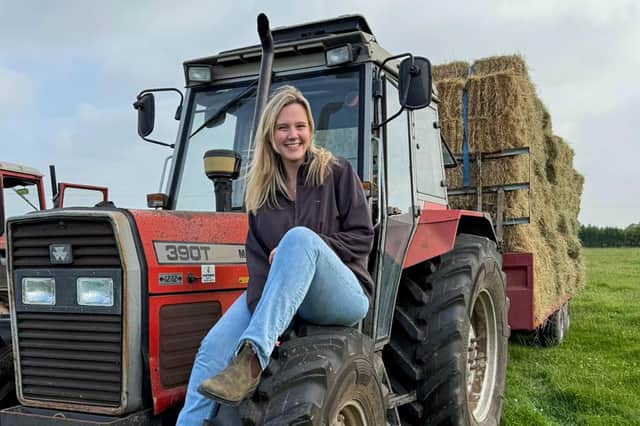

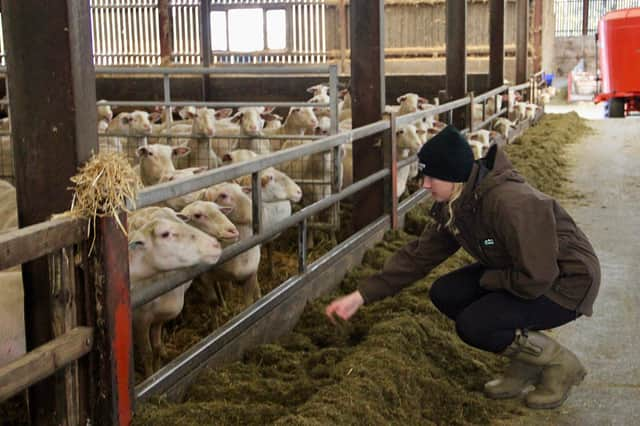
Harriet, who is from Ribchester, keeps a small flock of sheep and is currently studying for a PhD in health at Lancaster University. She is also a practicing Occupational Therapist with her own business Acre and Antler – aimed at the farming community – where she also works for the Field Nurse charity and the Sport England pilot project Together an Active Future.
The Fellowship will enable Harriet to travel to Australia, New Zealand, and Norway to discover the successful, grassroots initiatives, interventions, and services that have managed to break through behavioural and cultural barriers to seeking healthcare.
“This research is incredibly close to my heart because I live and work in this community myself. Seeing the long hours and seasonal chaos first-hand gives me a direct insight into the reality of these health inequalities, and I am incredibly passionate about using both my academic research and this international opportunity to drive real change.”
The Churchill Fellowship funds an individual to spend four to eight weeks meeting global experts in their chosen field, in person or online, to build international networks and exchange knowledge. Fellows then turn their insights into action, transforming communities, shaping services, and influencing policy across the UK.
“My PhD research focuses on the deeply ingrained health behaviours and help-seeking patterns within the UK agricultural community. British farming is facing a silent health crisis, yet farmers notoriously avoid seeking medical help until a condition becomes critical. My PhD aims to look closely at why this happens, exploring the cultural stoicism, the practical barriers of working intense hours, and the psychological factors that influence how and when farmers choose to engage with healthcare services. By understanding these specific behaviours, we can better identify the gaps where traditional, urban-centric healthcare services are failing them.”
In Australia and New Zealand, she will be looking at grassroots programs like Farmstrong and Fat Farmers to see how they take trusted, judgment-free clinical and mental health support straight to farm gates and auction marts. In Norway, she will be studying their Green Care model, which integrates working agricultural farms into state-contracted health and care hubs.
Julia Weston, Chief Executive of the Churchill Fellowship said: “In a world where looking outwards has never mattered more, there is something genuinely hopeful about people choosing to seek out new ideas, build connections across borders, and use that knowledge to create positive change.”
“I am delighted to welcome our 2026 Fellows. Each of them shows the power of curiosity, openness, and a willingness to learn from others. We’re all looking forward to following their journeys and seeing the difference they make across the UK.”
Harriet said: “The health and resilience of our rural and farming communities is an issue incredibly close to my heart. Our current health services aren’t always built around the realities of agricultural life, and people often avoid seeking help until it's critical. Being able to learn from innovative, grassroots leaders in Australia, New Zealand, and Norway, and bringing back fresh, practical approaches to the UK, is an absolute dream come true.”
The 2026 Churchill Fellows join a community of over 4,000 changemakers who work on the frontline of today’s critical issues, developing new solutions based on global research and their personal expertise. From ages 18 to over 80 and from every corner of all four nations, Churchill Fellows have achieved amazing things, from becoming community leaders and charity founders to embedding new services and campaigning for action in fields from climate change to education, technology to the arts.