
Maternity & emergency services at Morecambe Bay's hospitals trust handed new CQC scores

Five different services at a Lancashire hospital trust have today been handed new CQC scores.
The Care Quality Commission (CQC) has found improvements in maternity services and urgent and emergency services at the University Hospitals of Morecambe Bay NHS Foundation Trust (UHMBT) following an inspection in July.
Between July 15-17, CQC carried out the unannounced inspections to follow up on the progress of improvements it told them to make at previous inspections.
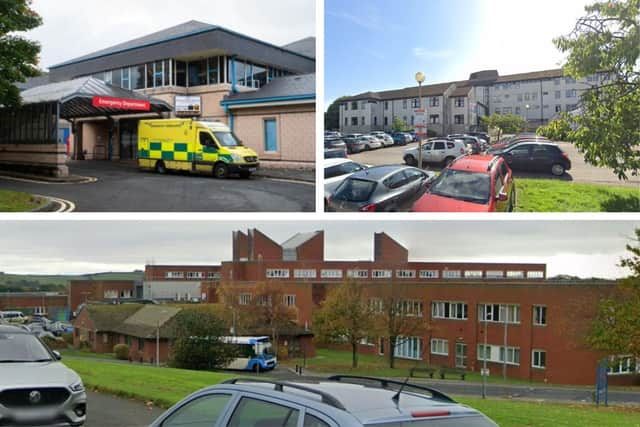
Inspectors visited maternity services at Furness General Hospital, Westmorland General Hospital and Royal Lancaster Infirmary, and urgent and emergency services at Furness General Hospital and Lancaster Royal Infirmary.
What grades were the services given?
Following the inspections, the ratings published today are as follows:
- Maternity at Furness General Hospital- the overall rating has gone up from requires improvement to good.
- Maternity at Westmorland General Hospital- the overall rating has gone up from inadequate to good.
- Maternity at Royal Lancaster Infirmary- the overall rating has gone up from requires improvement to good.
- Urgent and Emergency services at Furness General Hospital - the overall rating has gone up from requires improvement to good.
- Urgent and Emergency services at Royal Lancaster Infirmary- the overall rating is rated requires improvement again.

What improvements were found across the services?
In maternity services:
- Women were given the opportunity to speak to staff at Royal Lancaster Infirmary about their birthing experience, especially if the experience was not what they had wanted or expected.
- Staff at Westmorland General Hospital ensured women only needed to tell their story once by sharing their assessment of needs if they moved between services.
- Maternity services worked with the local Maternity and Neonatal Voices Partnership (MNVP) to contribute to decisions about care and make improvements.
- Staff and leaders actively listened to information about women who are most likely to experience inequality in care outcomes and supported their treatment in response to this.
In urgent and emergency services:
- People attending A&E at Furness General Hospital gave mainly positive feedback and there were several thank you cards on display.
- Furness General Hospital scored above average in the national patient survey for how staff communicated with people and how they were treated with dignity and respect.
- Leaders had made improvements at Royal Lancaster Infirmary for people who’d had a stroke to ensure they got access to treatment quicker.
Across the board
- Patients regularly saying that colleagues across the departments treated them with kindness, dignity and respect
- An improved safety culture, with teams being more open, proactive and regularly sharing what they’ve learned from incidents
- Different professional groups worked well together as a team
- Improved staffing levels and training opportunities
- A strong commitment from colleagues and leaders to improving services, using data, audits and quality improvement to make changes
- The Frailty Team’s specialist support to deliver well-rounded care for older patients
- Easy to access patient information and health promotion resources
- Meaningful partnership working with other services and community teams
- High cleanliness standards and careful following of infection prevention measures
- Supporting colleague wellbeing, including access to Occupational Health and counselling
What improvements still need to be made?
In maternity services:
- Increasing staffing levels and ensuring the right mix of skills in UEC and Maternity
In urgent and emergency services:
- Staff didn’t always manage medicines safely and there were understaffing issues in the paediatric part of A&E at Royal Lancaster Infirmary.
Across the board
- Continuing to improve how patients move through the hospitals to reduce delays
- Fixing outstanding issues with the environment and equipment
- Strengthening infection prevention and control practices in some areas
- Improving how well care is tailored to each individual person
- Increasing the number of colleagues who complete their appraisals
- Improving equality, diversity and inclusion across the workforce
- Continuing to strengthen governance systems so they stay effective and resilient in the long term
What has the CQC said about the inspection?
Chris Storton, CQC deputy director of operations in the north-west, said: “At this inspection, we were encouraged to see widespread improvements across maternity care. We saw staff providing exemplary care who went above and beyond to ensure women and their babies were well cared for. We were also pleased to see improvements in the quality of care being provided to people attending A&E services, although some improvements were still needed at Royal Lancaster Infirmary.
“It was great to see that maternity leaders had increased the number of midwives and specialists since we last inspected meaning women and their babies were receiving a better standard of care.
“We saw staff communicating positively with people in A&E at Furness General Hospital, explaining their treatment options to them. Leaders also managed risks in the department well in A&E to ensure people weren’t placed at harm. The highest risk during the inspection was overcrowding in the department when other units were closed but it was impressive to see leaders address this quickly. As a result, people gave overwhelmingly positive feedback about their experiences there and praised the staff that cared for them.
“However, leaders must improve how people are managed when attending A&E at Royal Lancaster Infirmary. Some waiting areas weren’t considered suitable and people sometimes experienced delays being seen by specialists.
“Leaders and staff should feel proud of the changes they’ve made and the positive impact these changes have had on people using services. We’ve shared our findings with leaders so they know where improvements are still needed and we’ll continue to monitor the trust to ensure these improvements are embedded and sustained.”
What has the trust said?
Scott McLean, Interim Chief Executive, UHMBT, said: “Our teams have worked incredibly hard to significantly improve our services, and we are pleased this has been recognised by the CQC following their recent inspection. What is especially important to acknowledge is that despite the intense and challenging pressures colleagues are working in - especially in our urgent and emergency care services - they continue to provide compassionate and respectful care. We see this each and every day, but I am pleased it is reflected in the inspection findings as our colleagues deserve to be recognised for their efforts.
“We are proud of the improvements we have made in many areas of our services but as always, there is still more work to do. The reports highlight some specific areas where we need to do things differently and our teams are already working to make these changes.”
Andrew Stephenson, Chair, UHMBT, said: “Our main priorities are to offer the best possible care to our patients and the best possible experience for those who work with us, and these findings show encouraging progress towards this. We recognise that this work is far from finished - especially in the challenging environment the NHS is operating in as a whole - but we are confident that we have the right plans and the right people to deliver them.
“On behalf of the Trust, I would like to thank colleagues for their continued hard work and resilience, and for always putting our patients first - your efforts are very much appreciated.”
The full inspection reports for the Trust can be found on the CQC’s website.